SARDINIA
cross the sea,
and when you are in flowering
America tell everyone
that the island of Sardinia is still
waiting
to be discovered and known.
—Grazia Deledda, “America and Sardinia,” 1893
This was a trip inspired by a book I came across purely by accident. It has a rather long title—In Sardinia: An Unexpected Journey in Italy—and is written by Jeff Biggers, for whom that journey became an experience filled with enchantment and discovery of the island’s hidden ancient treasures and mysteries, as well as its natural wonders. It is not a travel guide, nor even a travelogue, but a wonderful combination of culture, history, archaeology, festivals, food, wine, and encounters with local people.
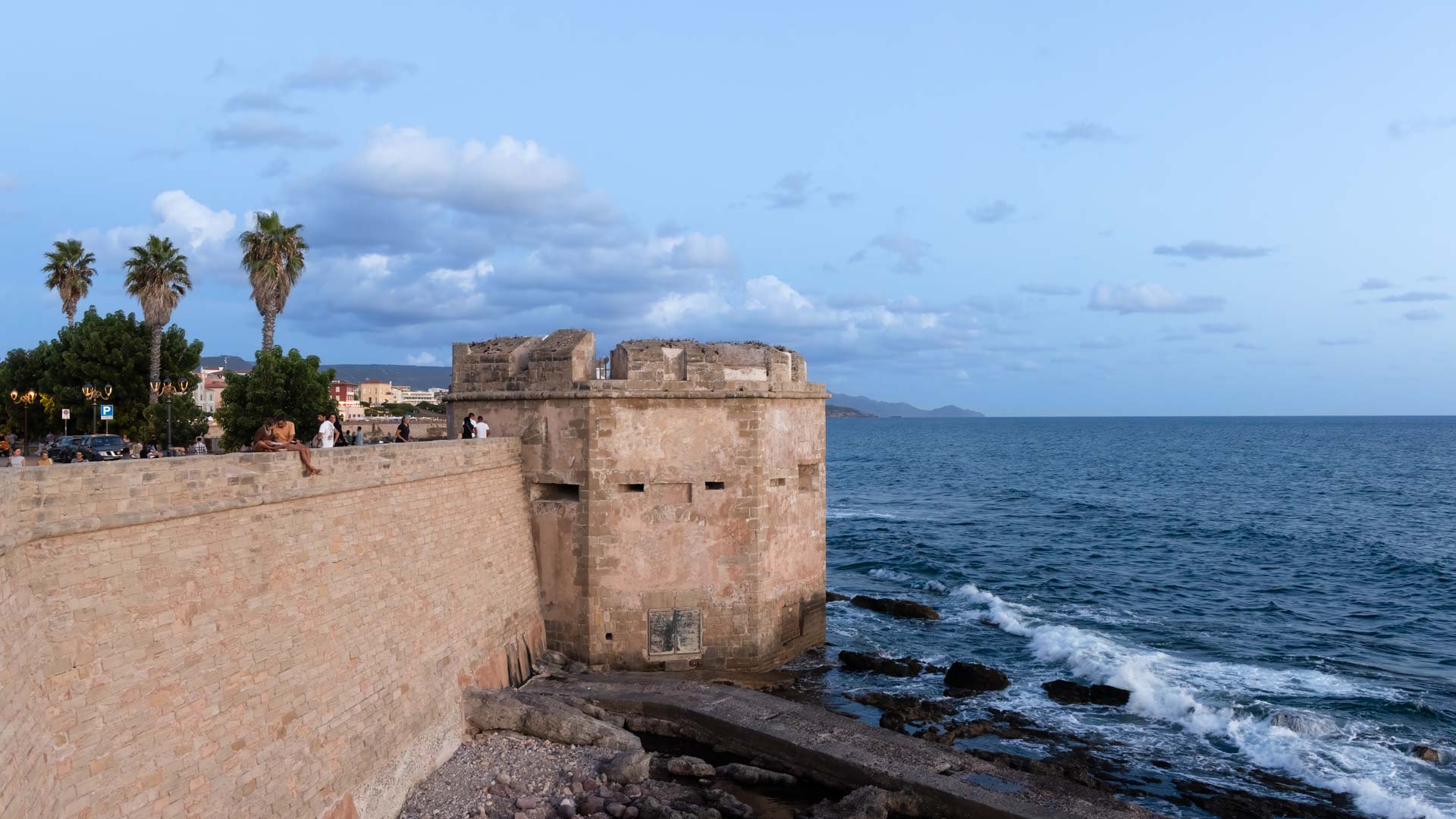
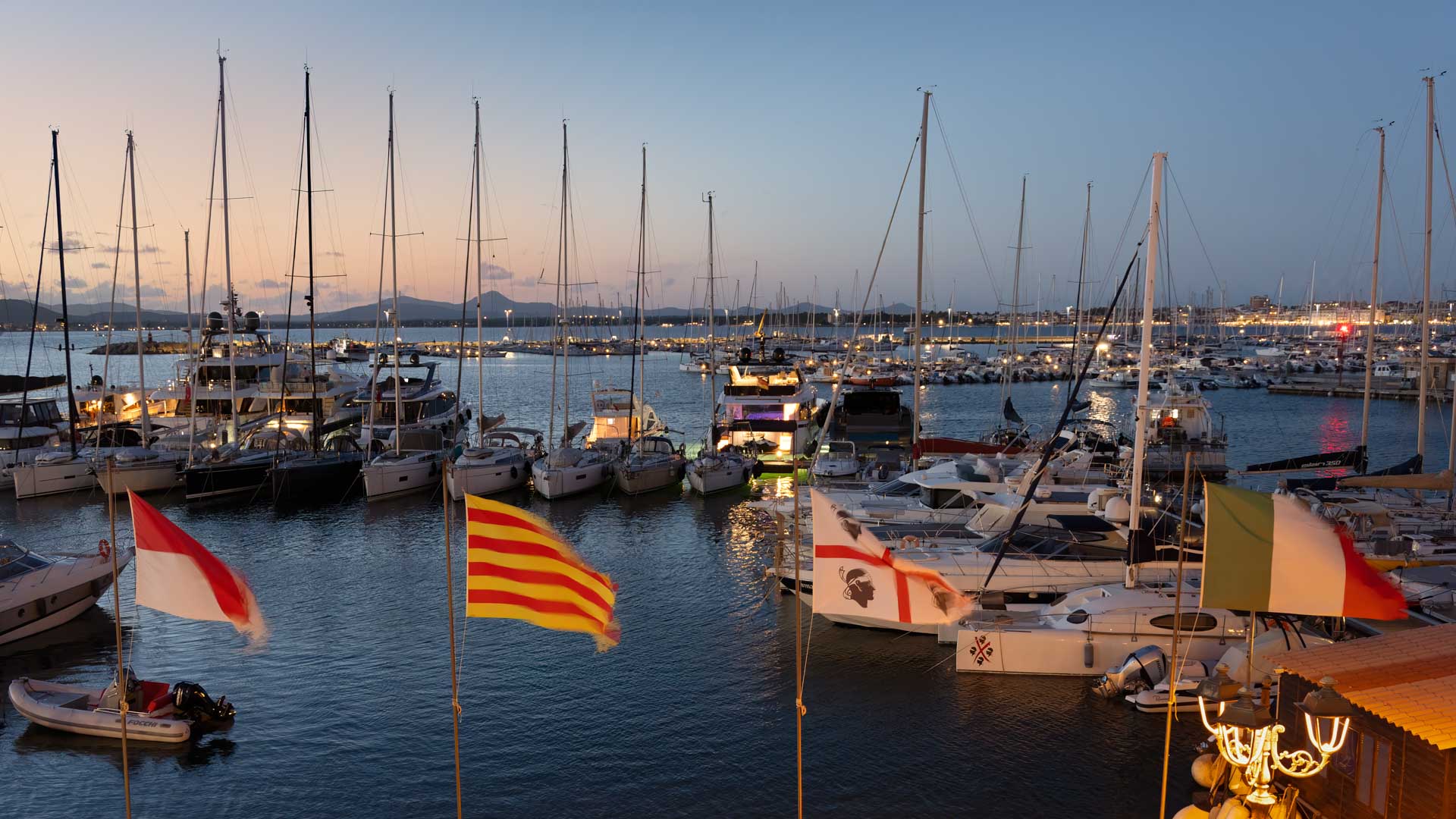
We started in beautiful Alghero, a historic city in the northwest, sometimes called Barceloneta, where some residents still speak the Catalan language. The city changed hands multiple times. It was a Catalan colony from the 14th century until the 18th century, when it was conquered by the Piedmont-based House of Savoy. Alghero is a walled old town with narrow cobbled streets, and the famous Capo Caccia nearby.
ALGHERO
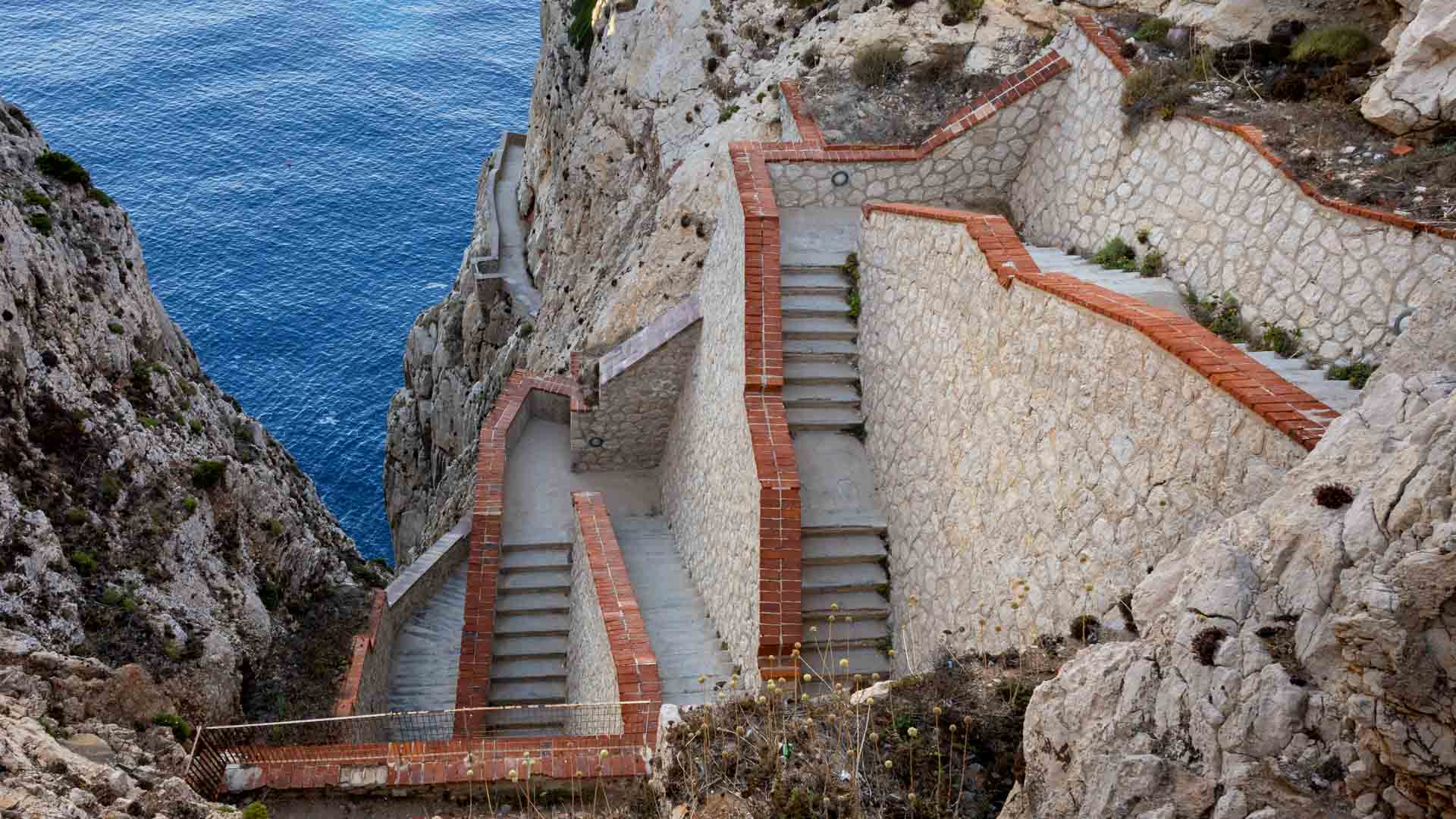
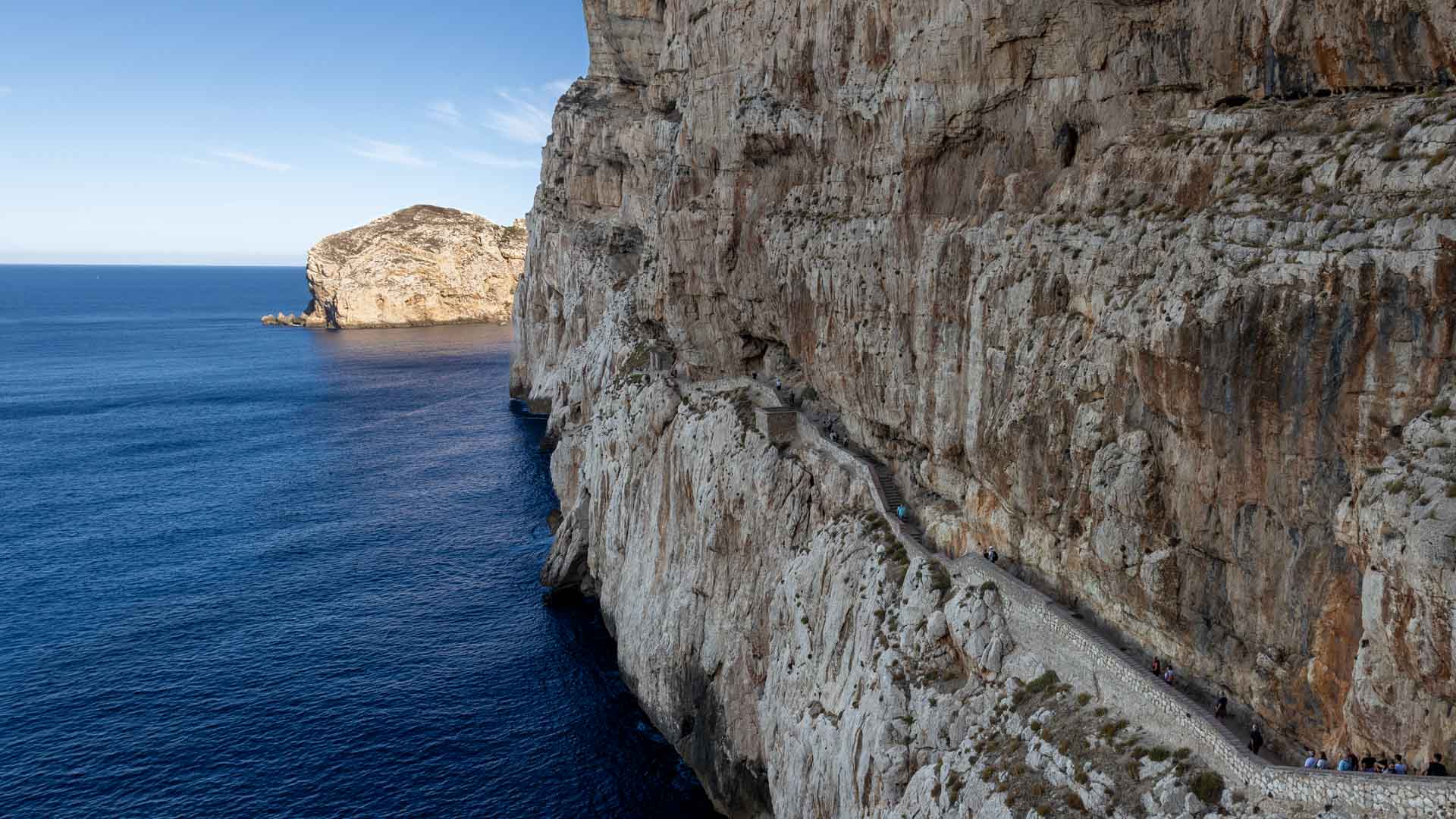
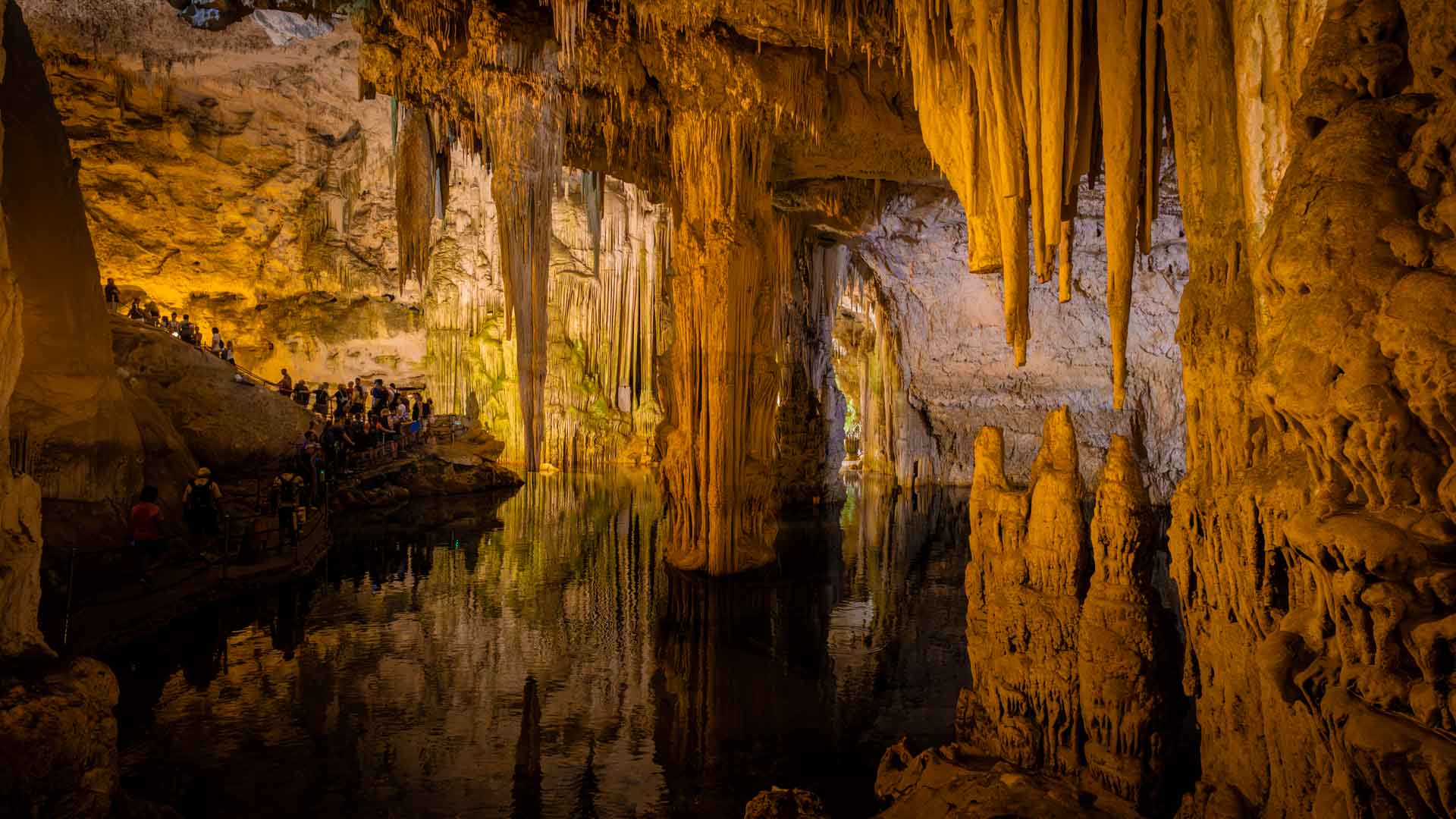
There are two ways to visit the famous Neptune’s Grotto: by boat from Alghero or by descending the Escala del Cabirol (Goat’s Steps), which consists of 654 concrete steps carved into the sheer cliffs of Capo Caccia. The views from the staircase are simply incredible.
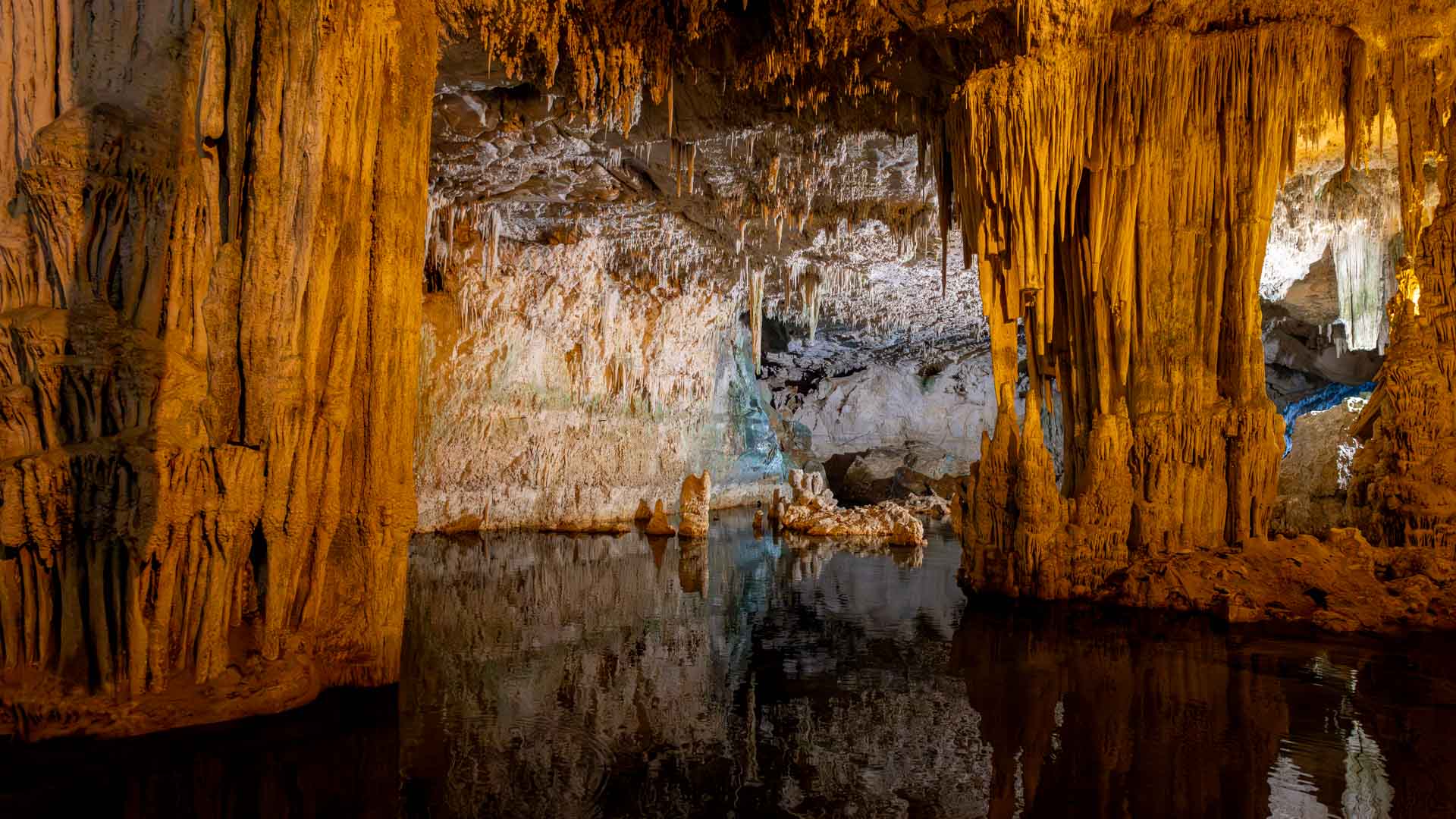
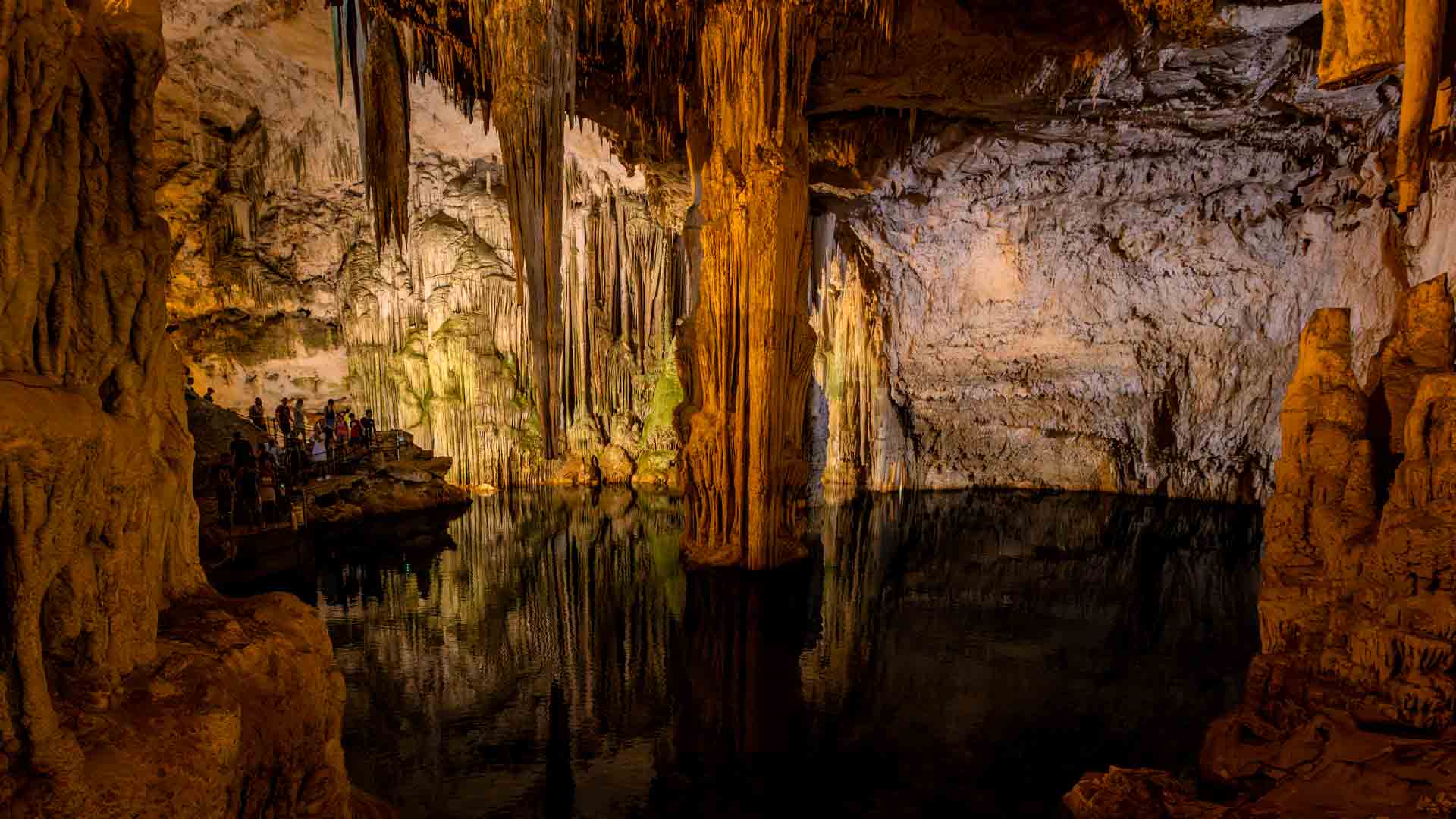
The cave itseld features massive, beautifully lit stalactites and stalagmites that look like frozen waterfalls, and even a lake (La Marmora).
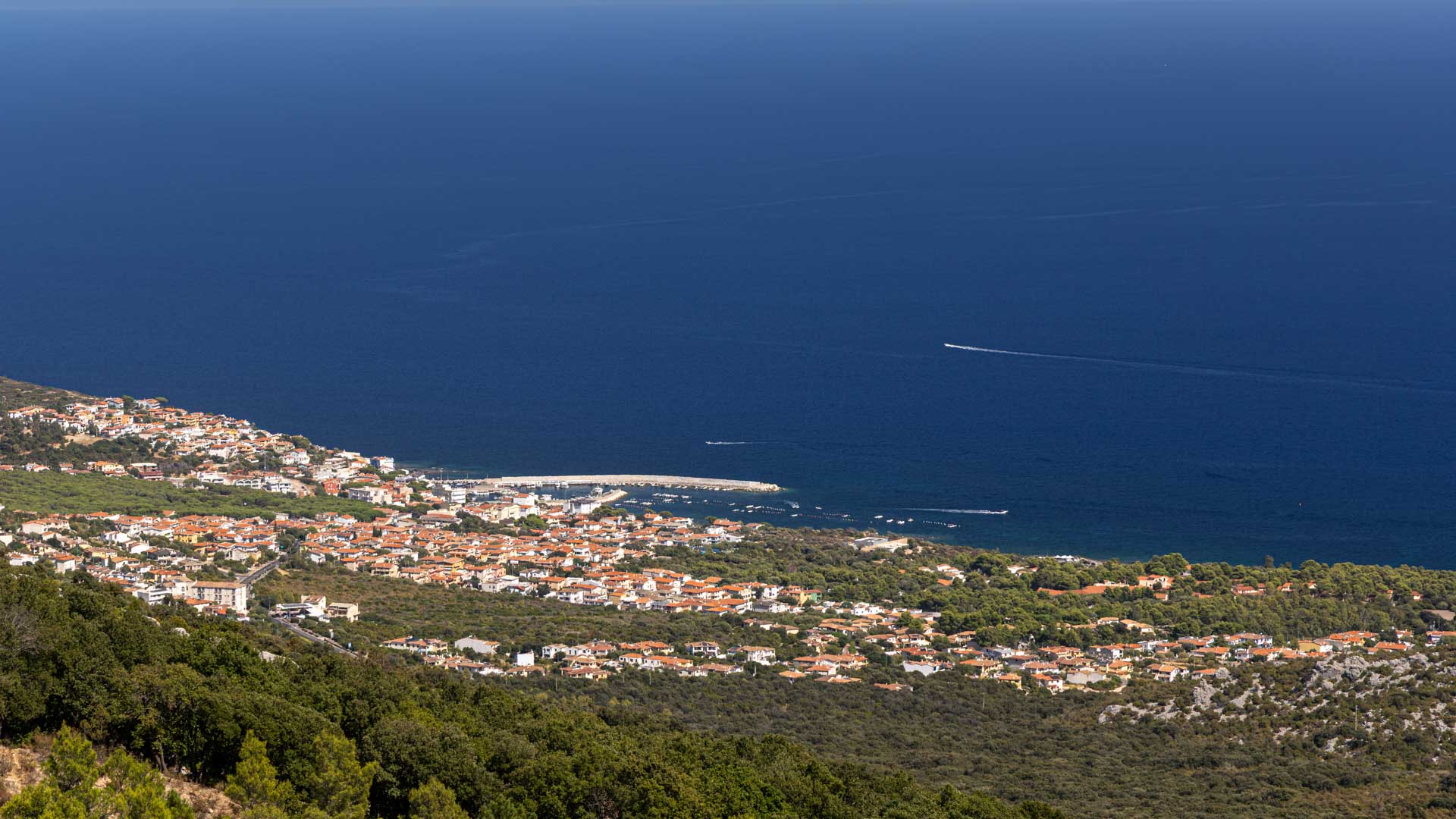
Another one of those beautiful places untouched by mass tourism was Capo Comino. It was mentioned in the book and we stopped by on the way between Santa Teresa Gallura where we stayed after Alghero and the magnificent Baunei coast (Cala Ganone). We walked along the beach and had lunch at the beautiful Il Moletto Ostricheria Grill located right on the waterfront in Capo Comino.
BAUNEI COAST, CALA GANONE AND ORGOSOLO
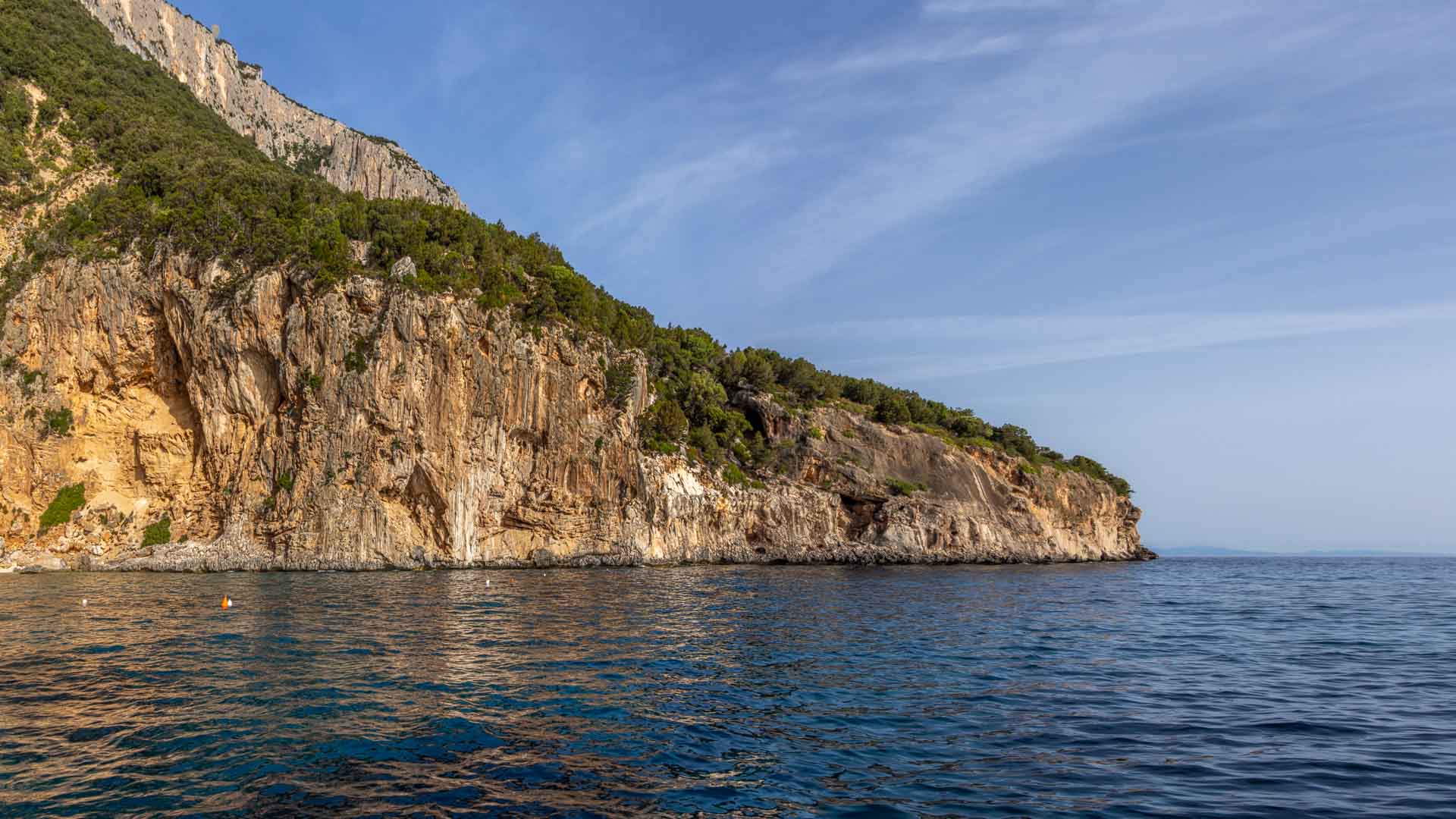
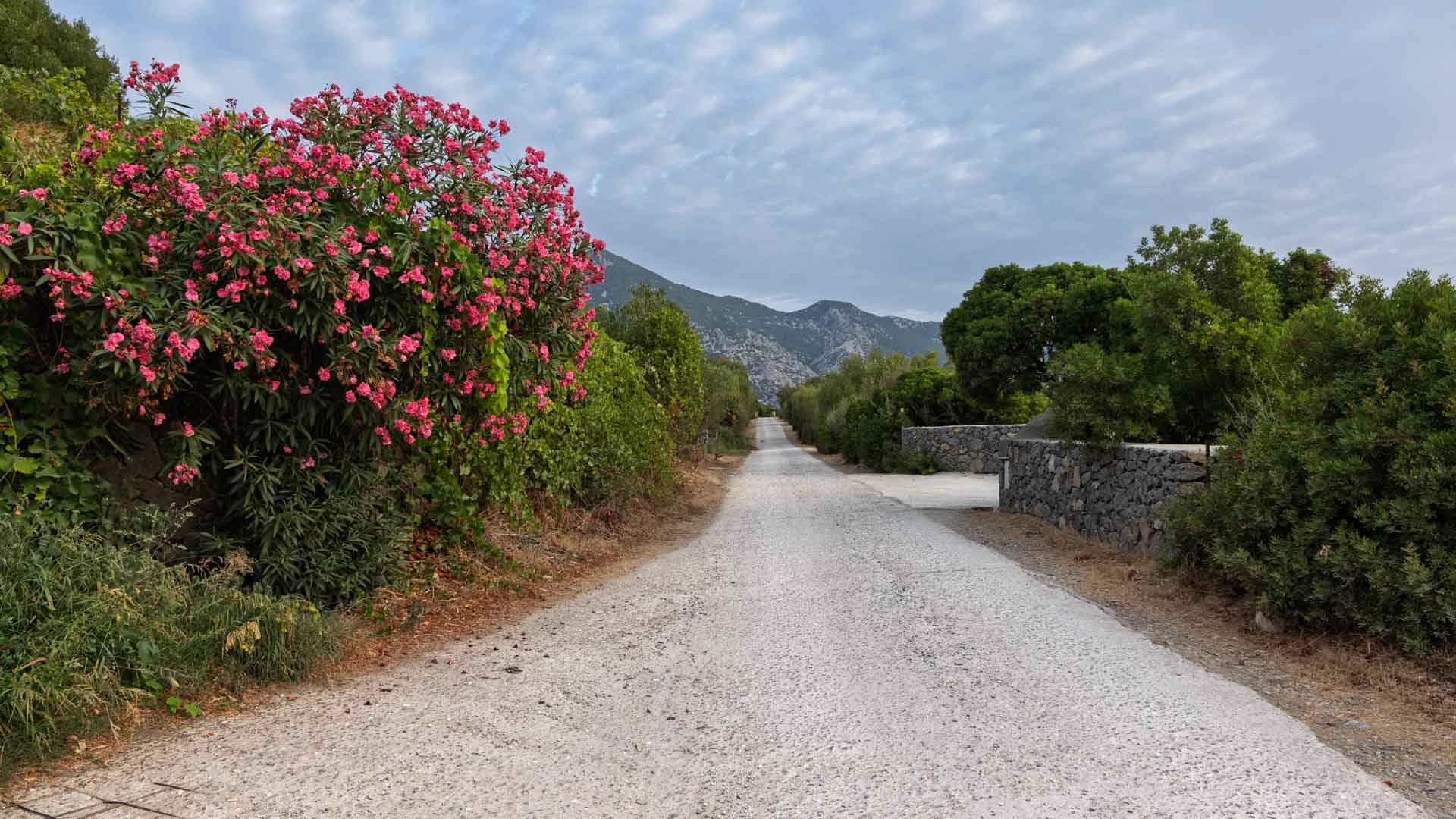
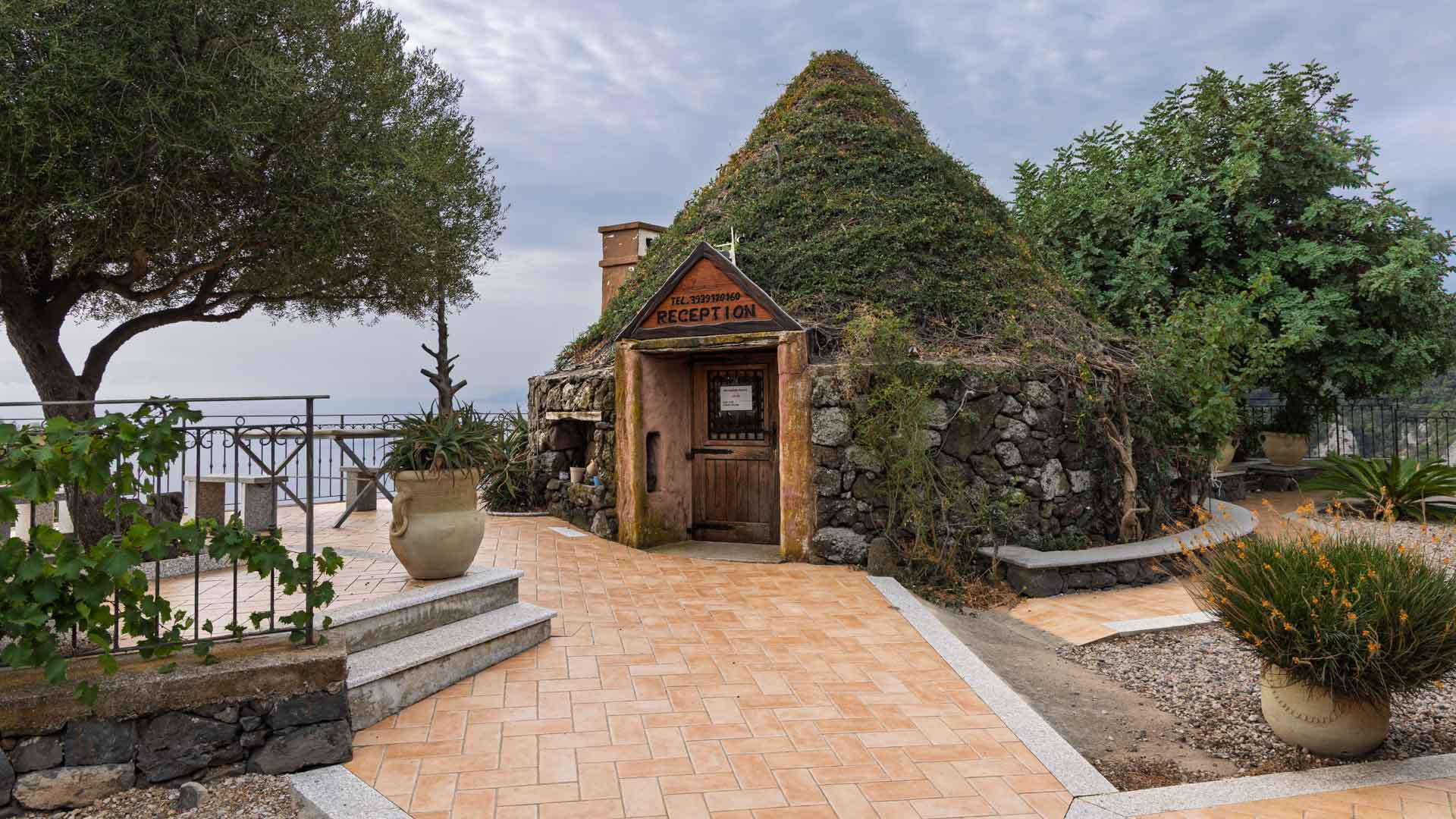
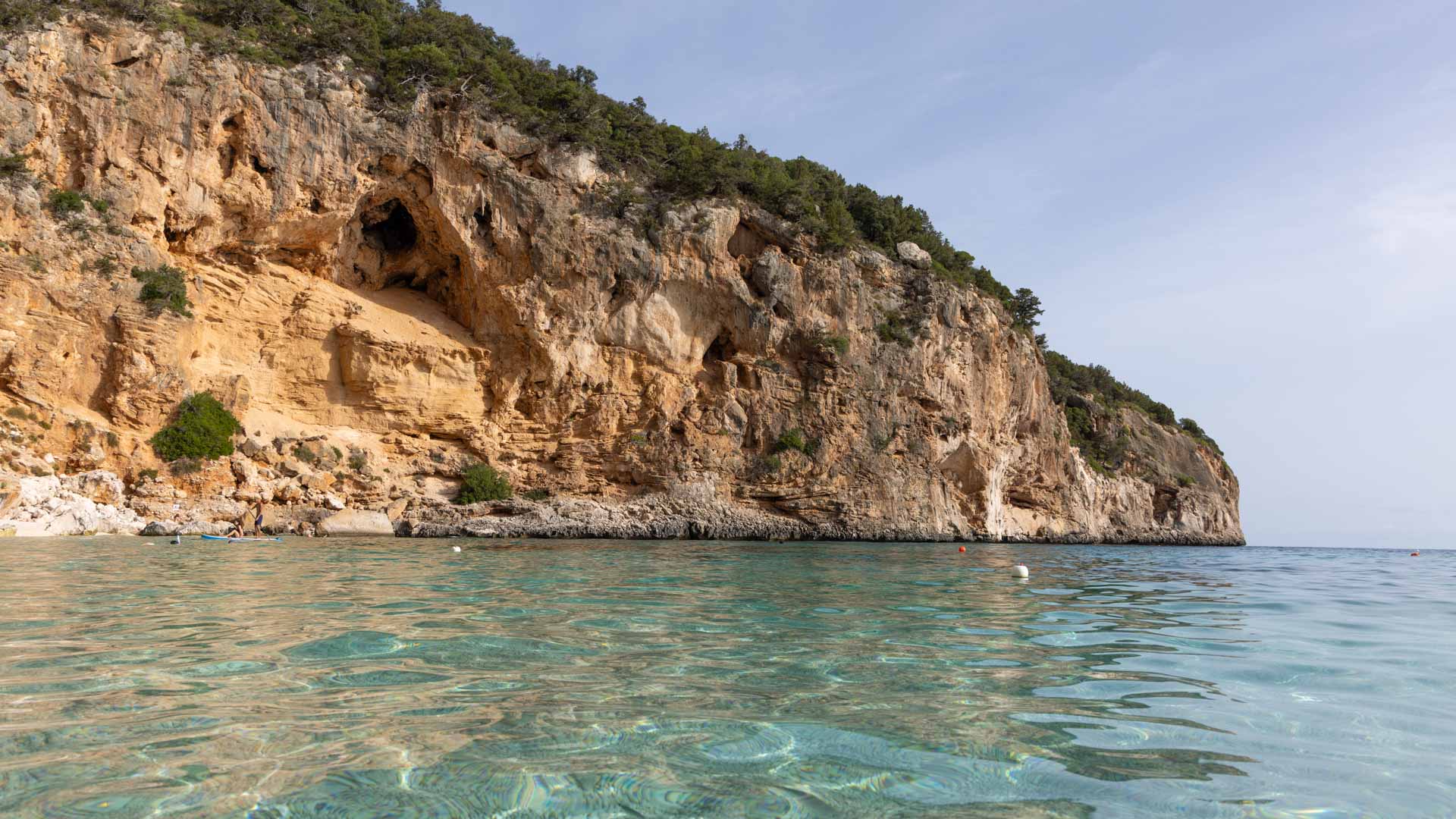
Our next base was an agriturismo in Dorgali, on the Baunei Coast. It was a great base for exploring Orgosolo and some of the most beautiful beaches in Sardinia, including Cala Luna and Cala Goloritzé. This mountainous region is part of the Gennargentu National Park and stretches from Dorgali in the east to Orgosolo in the west. The cliffs, valleys, and deep gorges of the Supramonte mountain range extend all the way to the coast, plunging precipitously into the sea, with secluded beaches carved into the rocks.
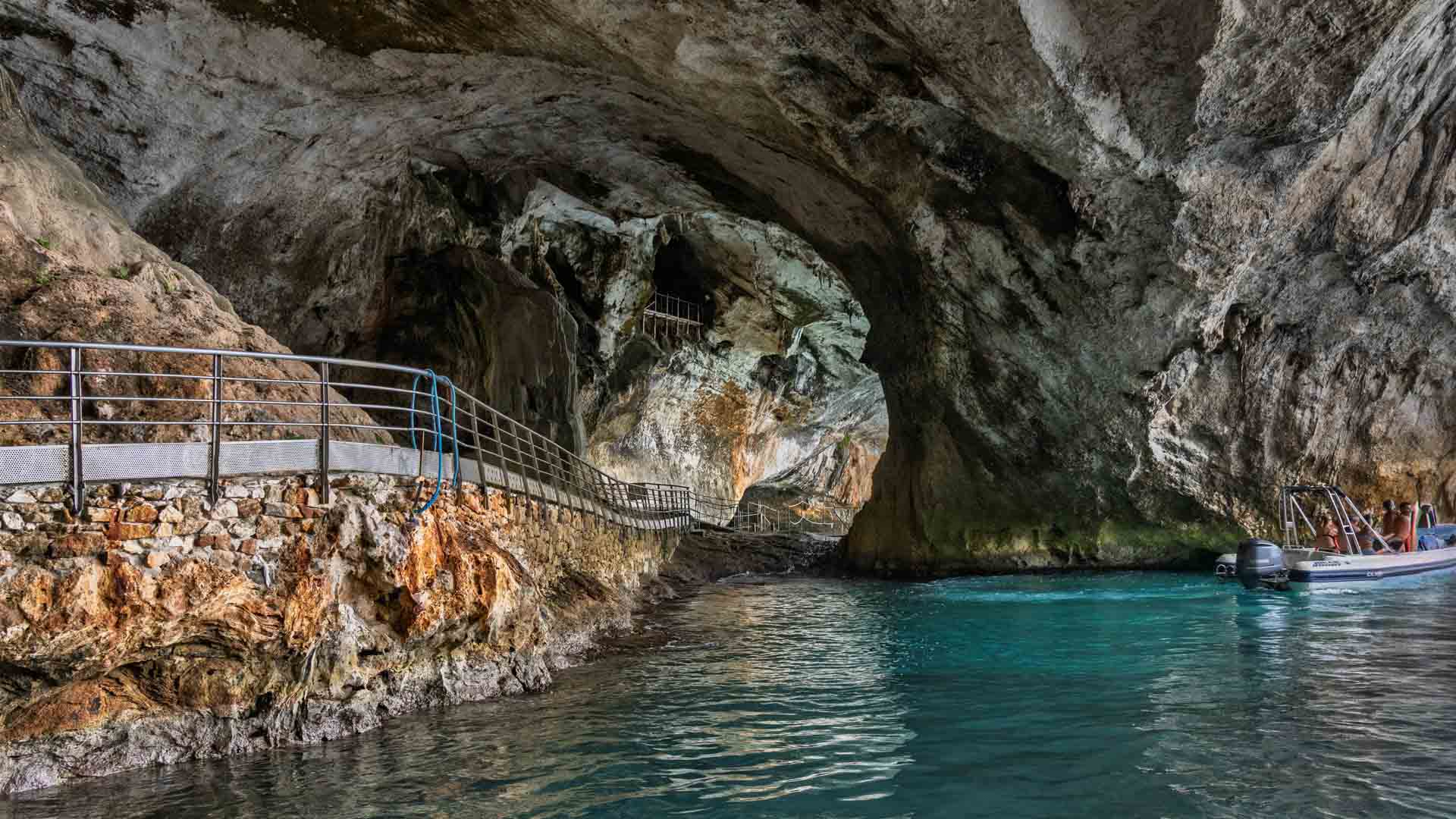
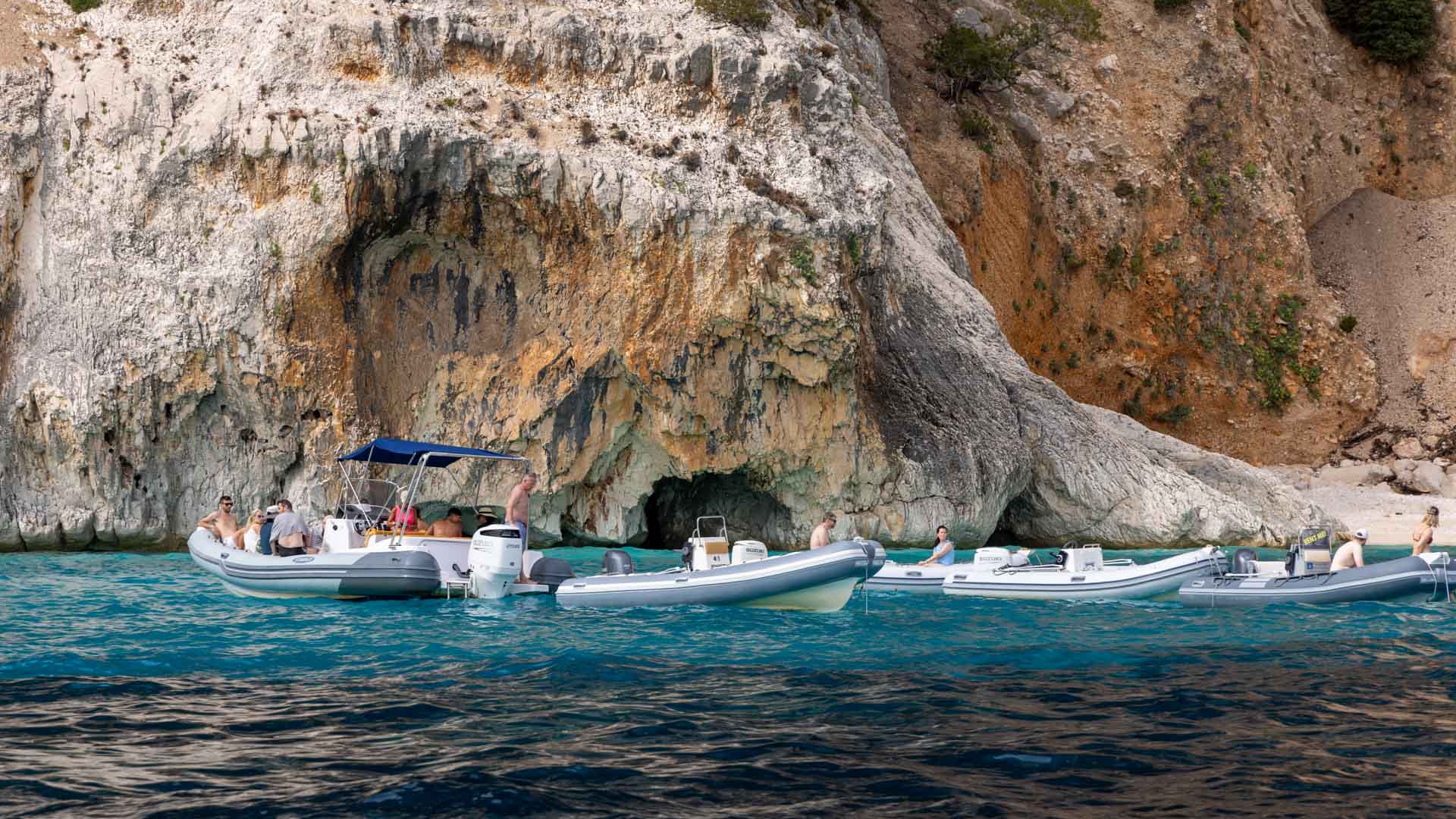
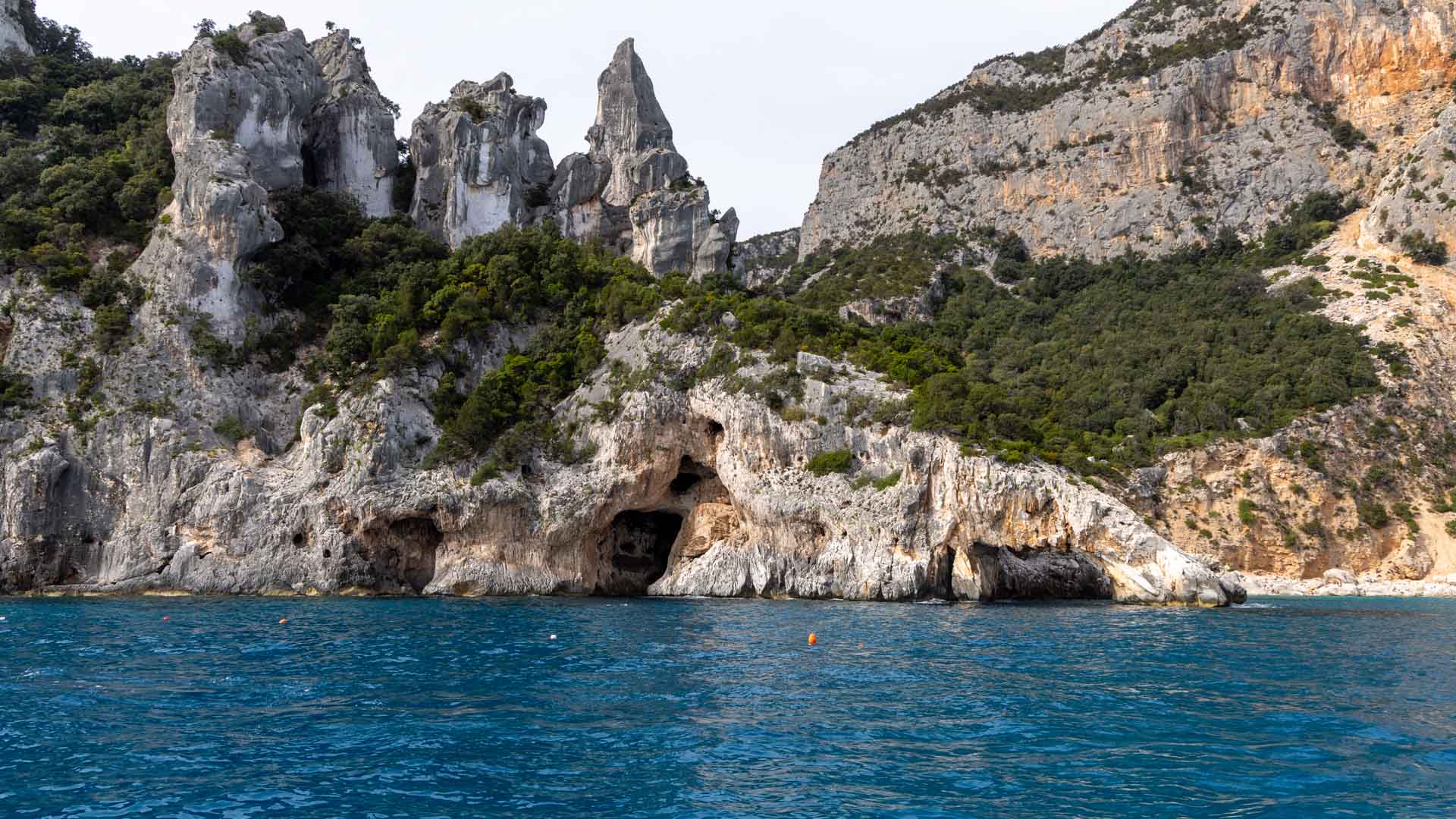
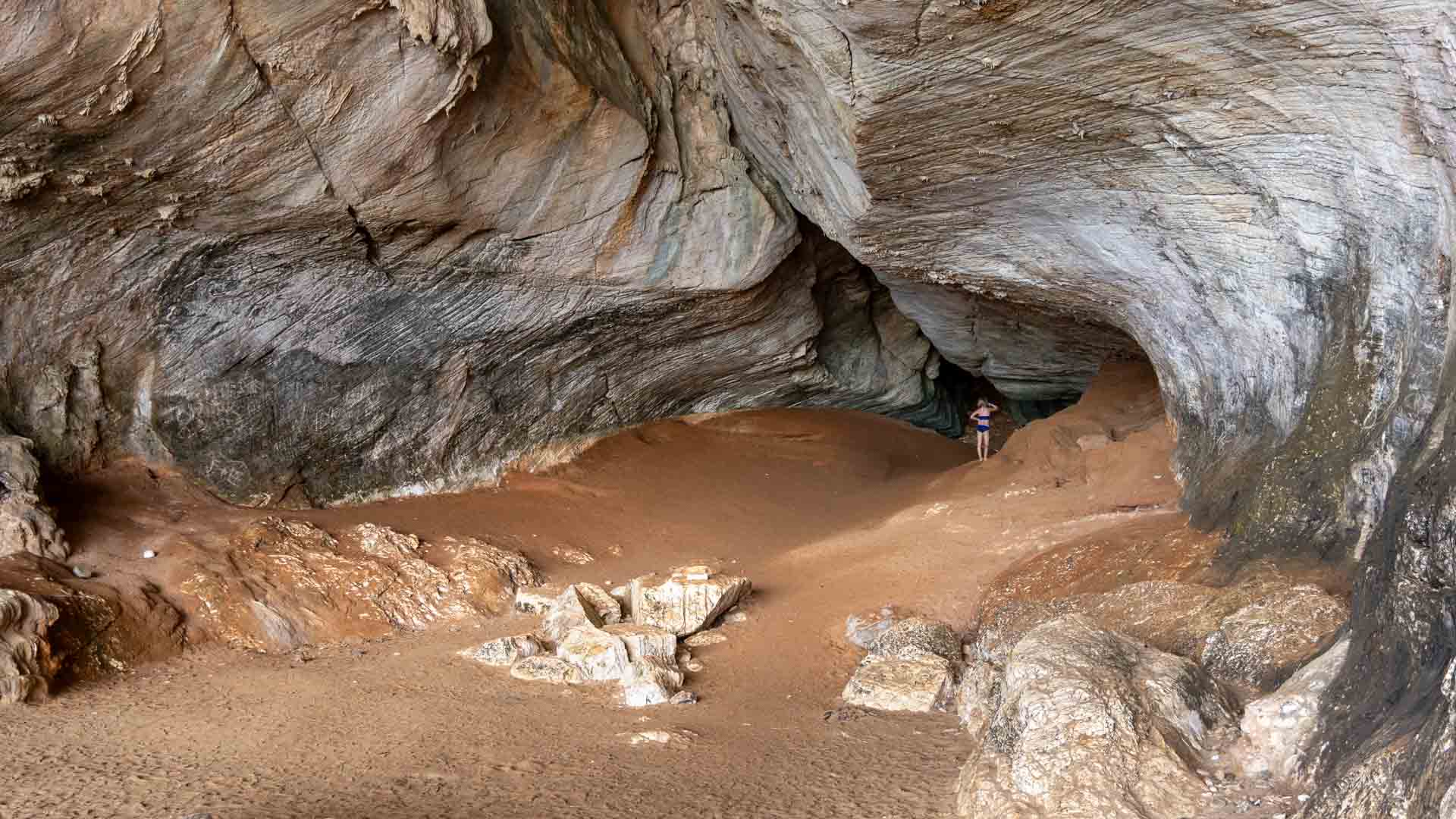
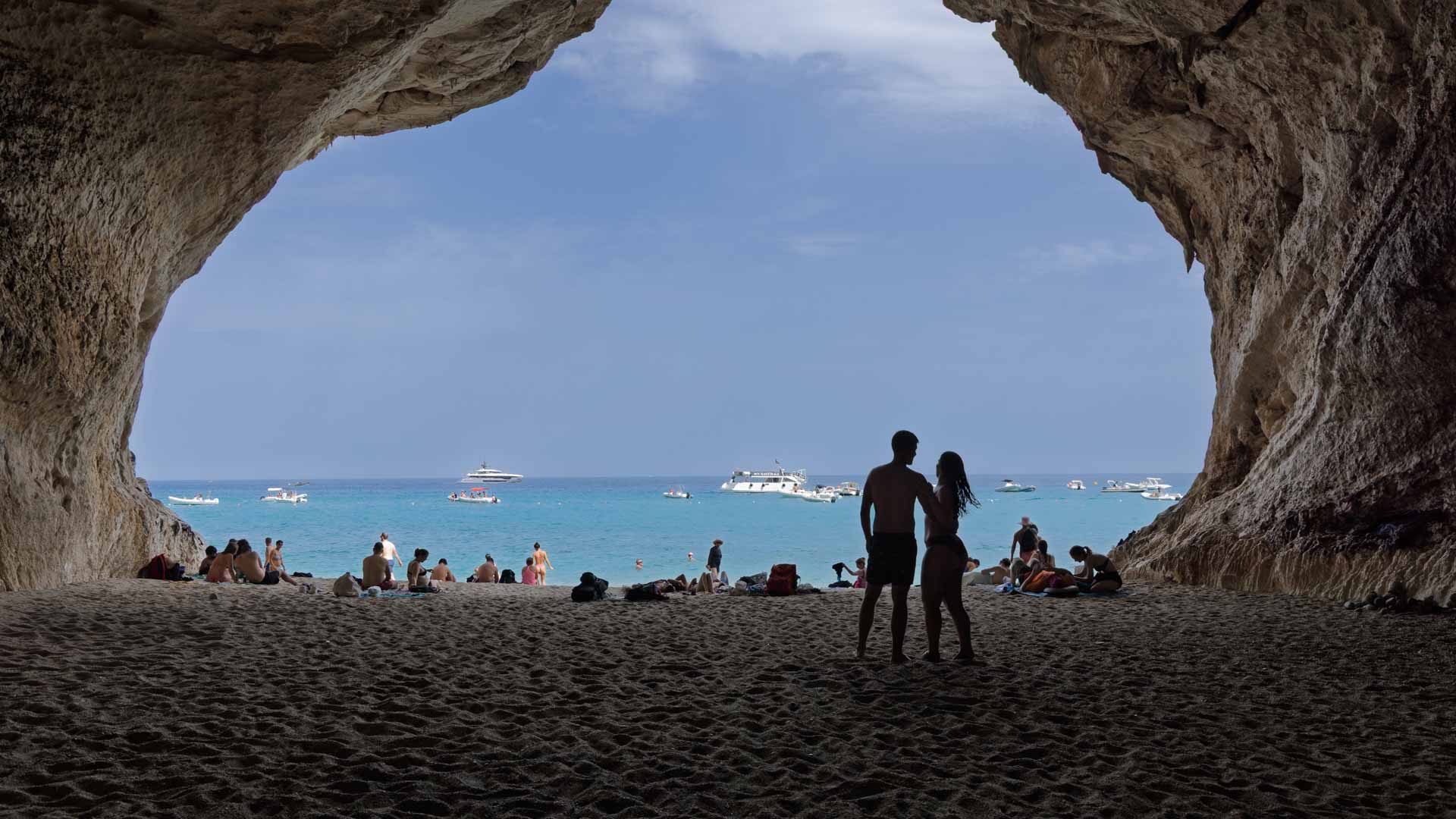
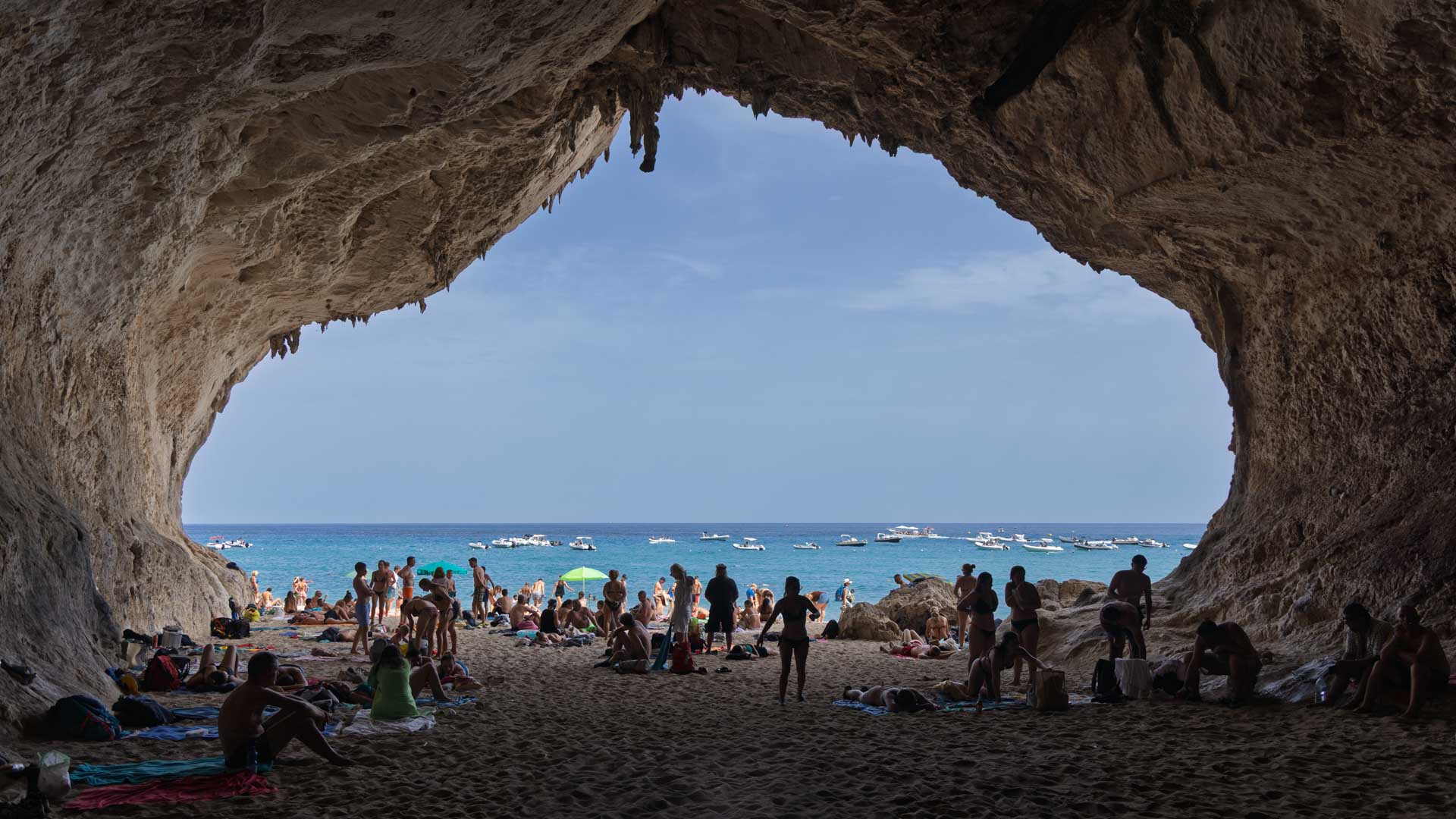
We also took a day trip to Orgosolo, a historic mountain village in the heart of Sardinia’s Barbagia region, set amid the rugged landscapes of the Gennargentu massif, far from the coast. Barbagia is part of Sardinia’s Blue Zone, known for the exceptional longevity of its residents.
Orgosolo is famous for its striking political murals, which began appearing in 1969 during the Pratobello protest. That year, the Italian Army planned to use the fields of Pratobello near Orgosolo as a military shooting range, forcing local shepherds to leave their grazing land. In response, about 3,500 residents—men, women, children, and shepherds—peacefully occupied the area in June 1969. After several days of peaceful resistance, the Army withdrew and abandoned its plans for the site.
Today, Orgosolo is a living open-air museum, with hundreds of political and historical murals covering the town’s walls. The surrounding Supramonte mountains also offer a glimpse into Sardinia’s pastoral traditions. We took a jeep tour into the mountains with a local guide and then stopped for a traditional lunch with shepherds. It was almost a safari-like experience, with animals roaming freely through the rugged landscape.
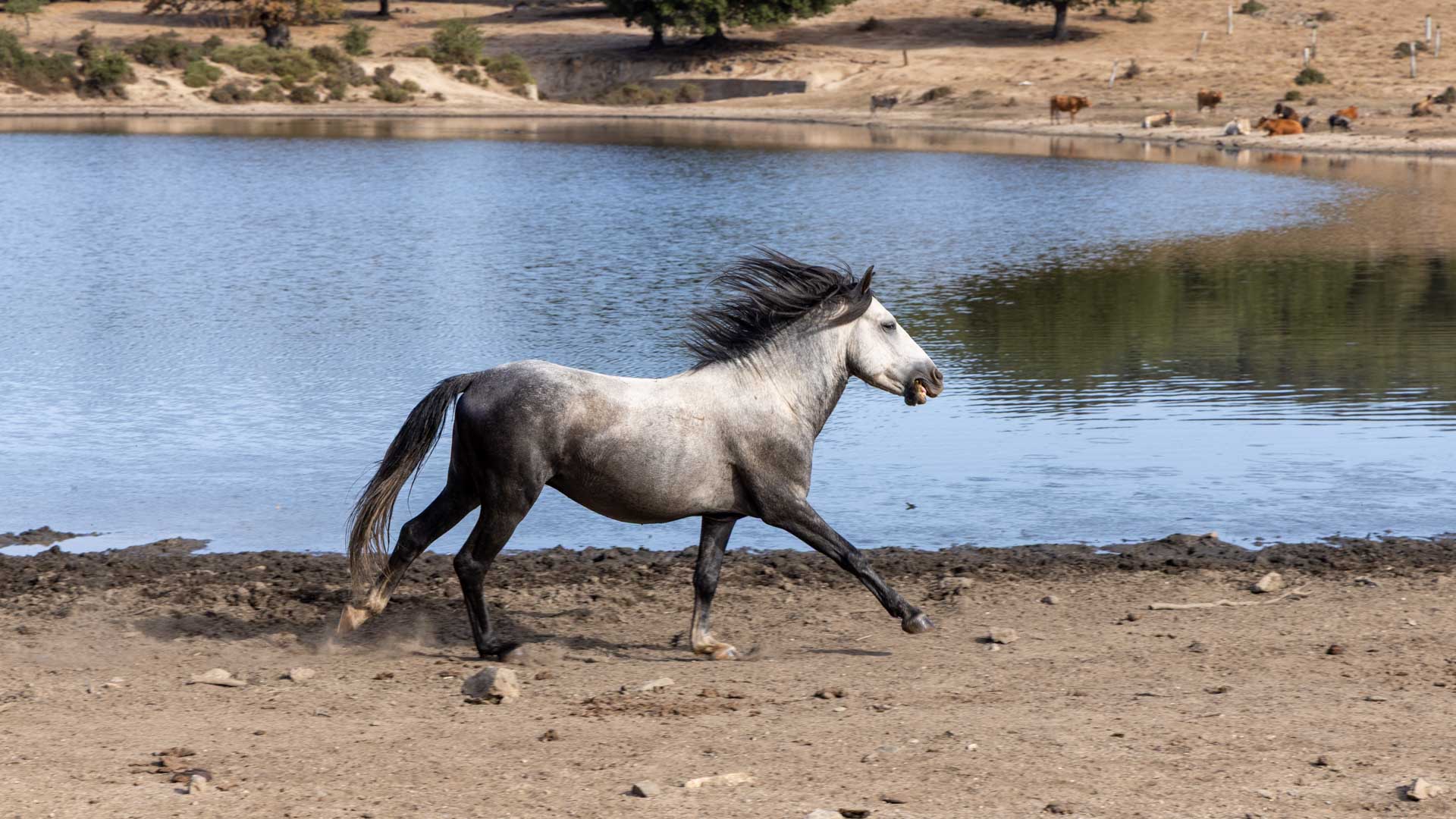
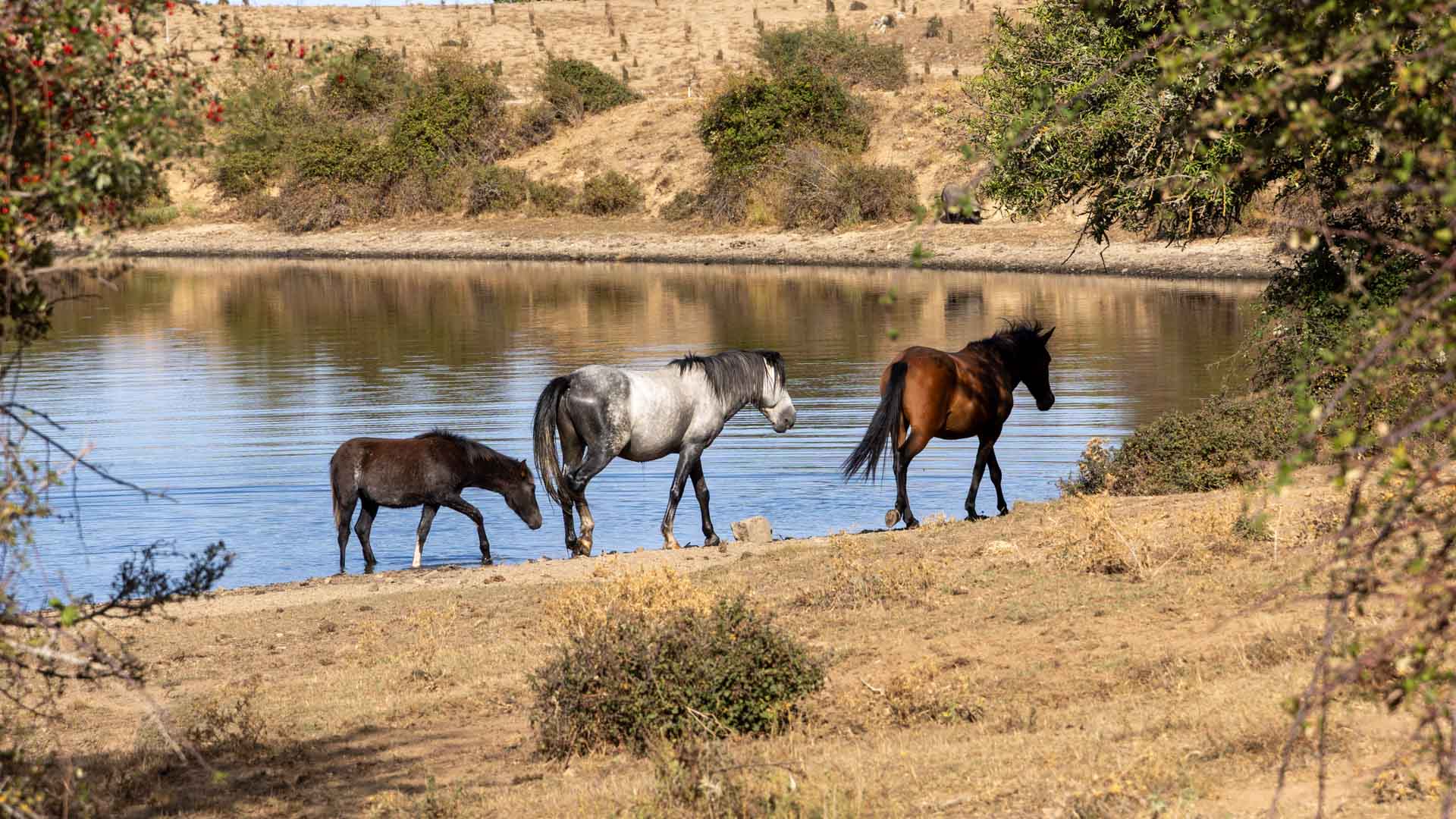
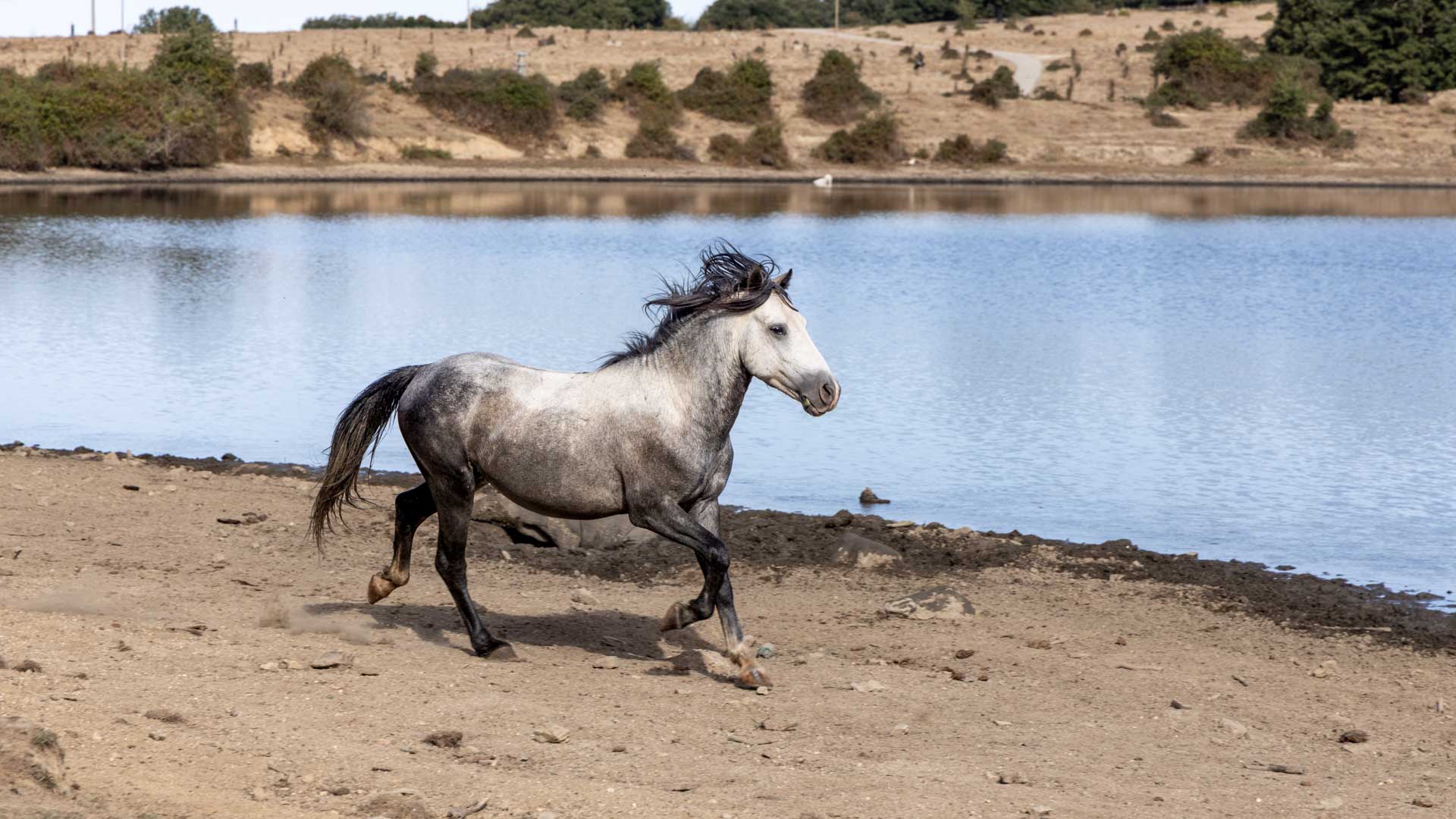
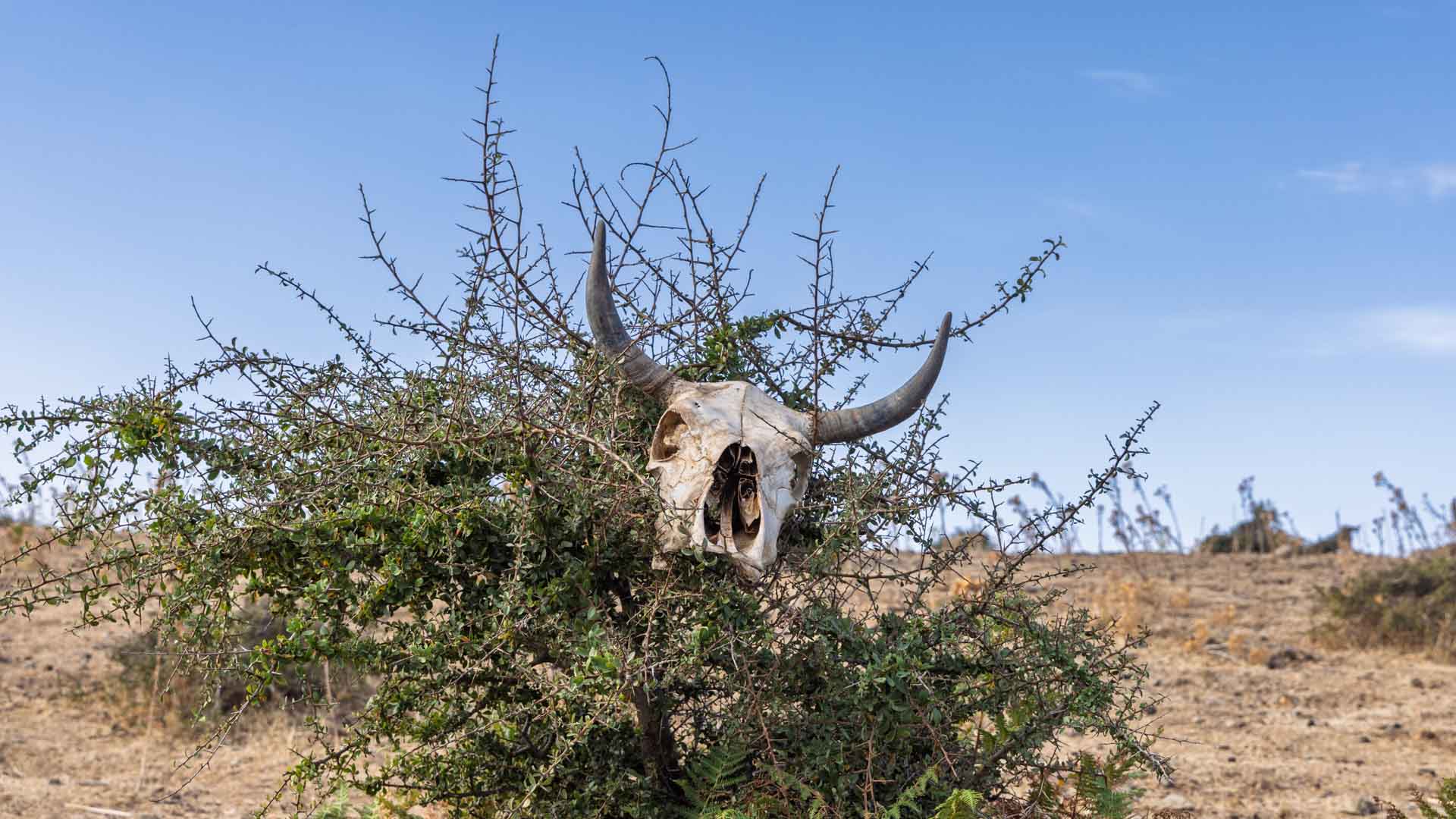
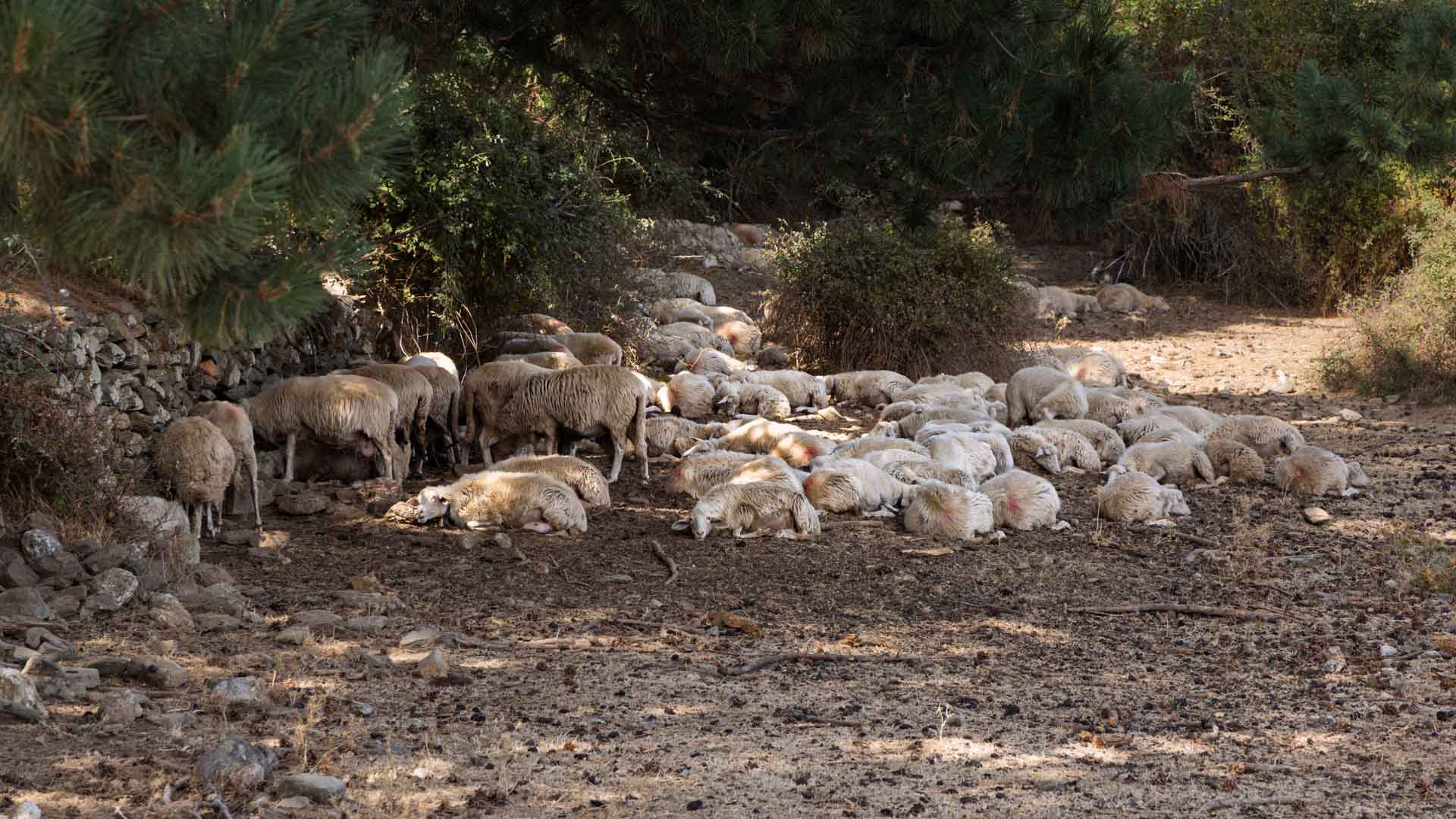
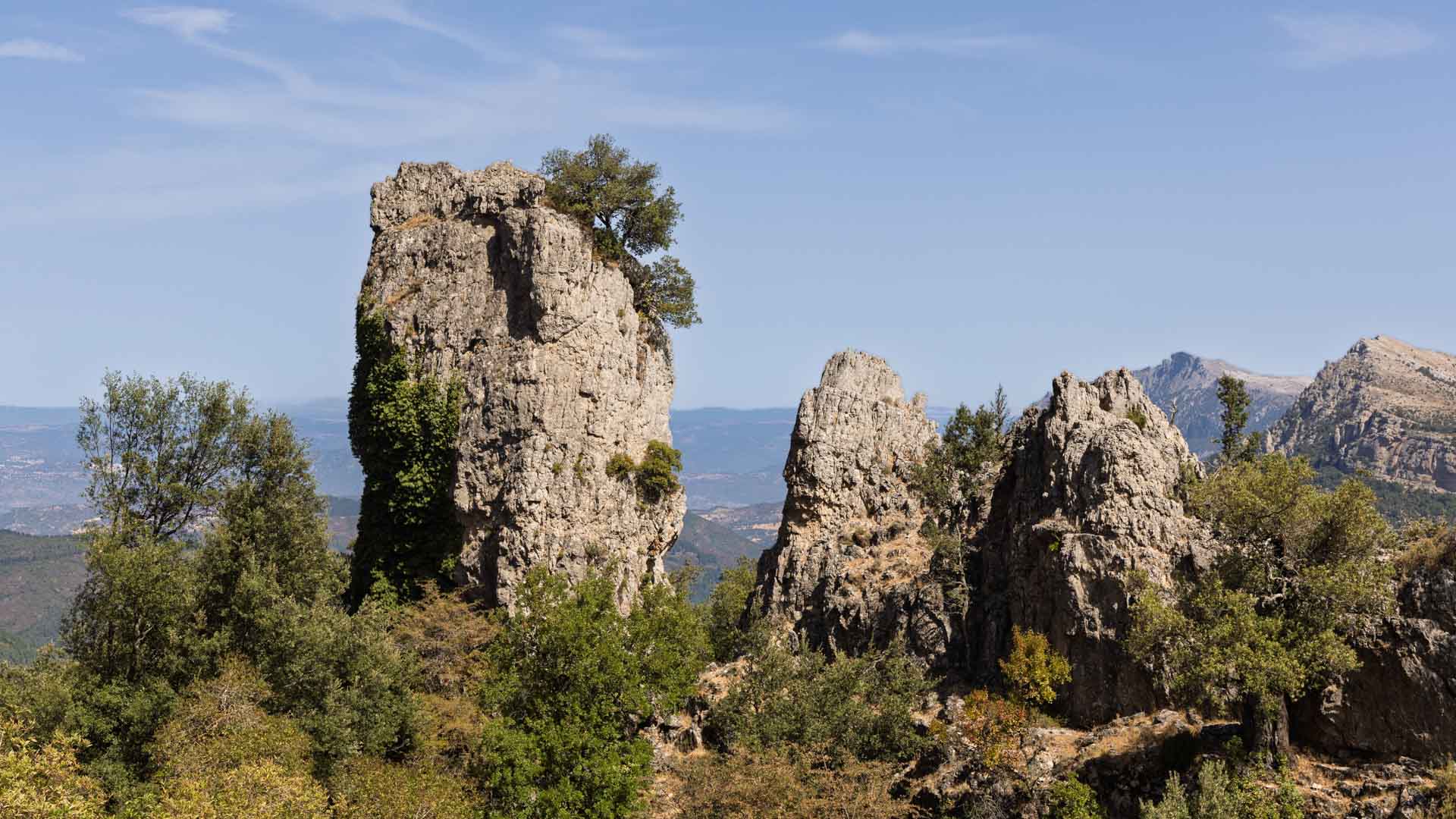
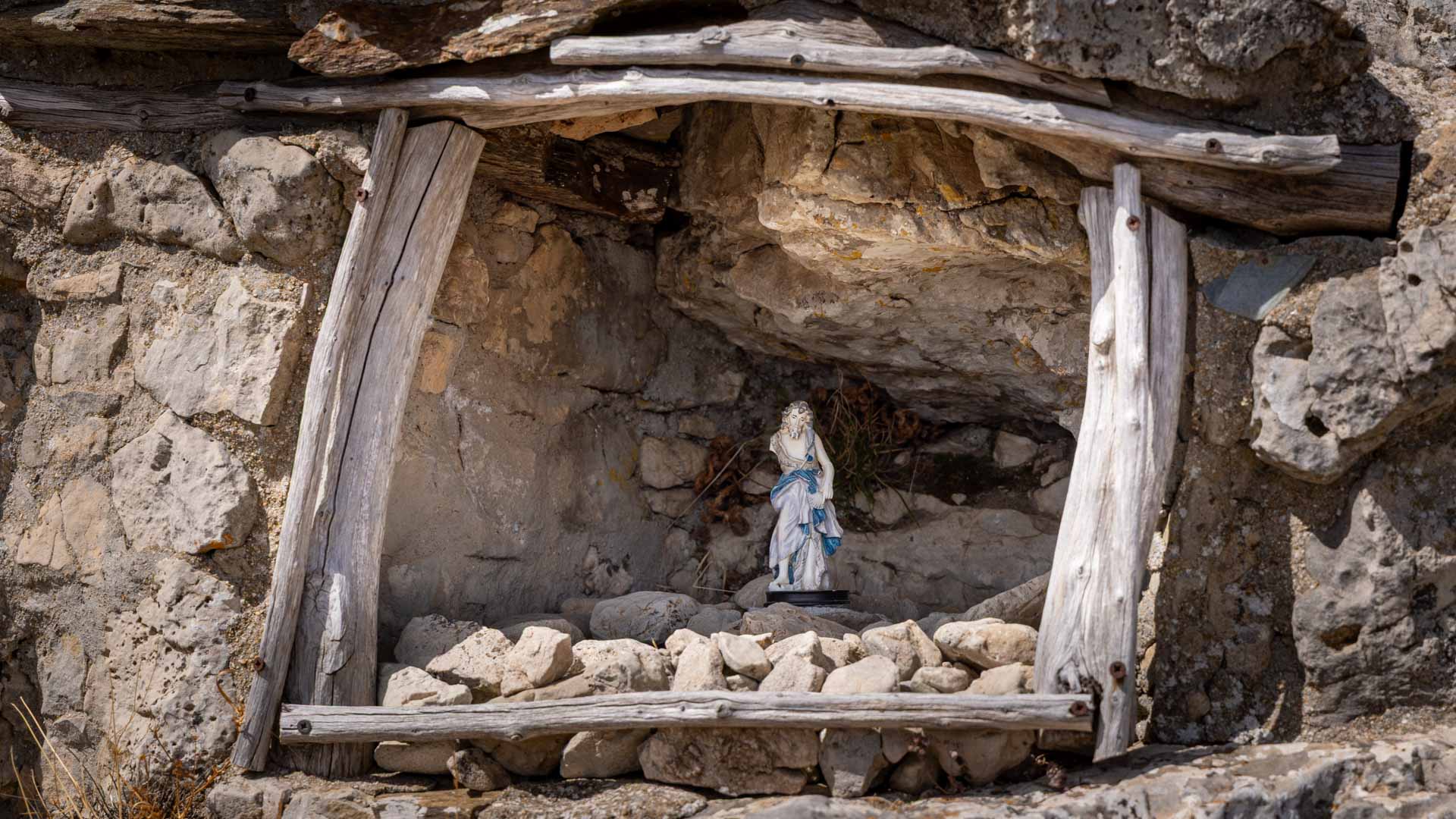
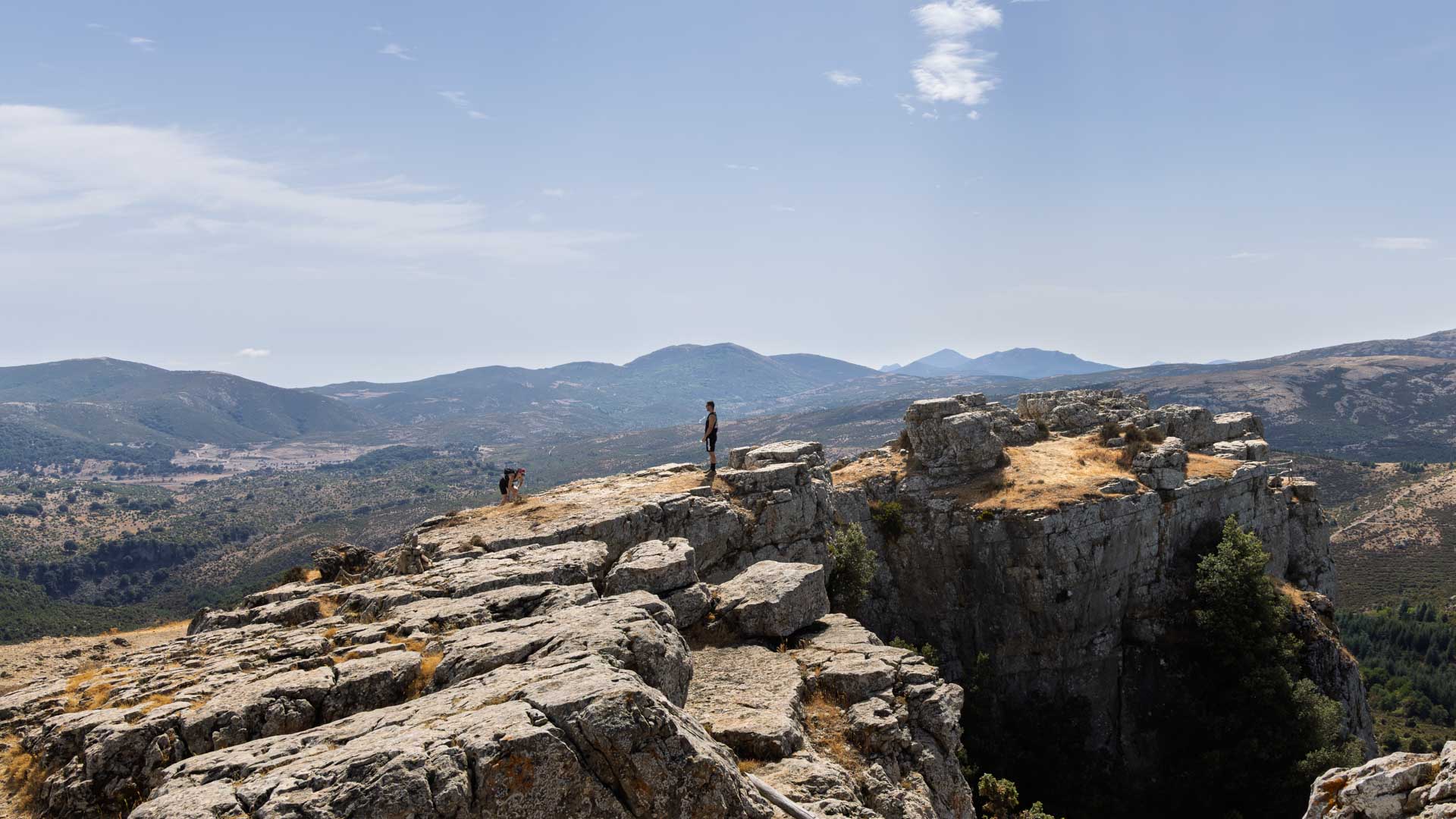
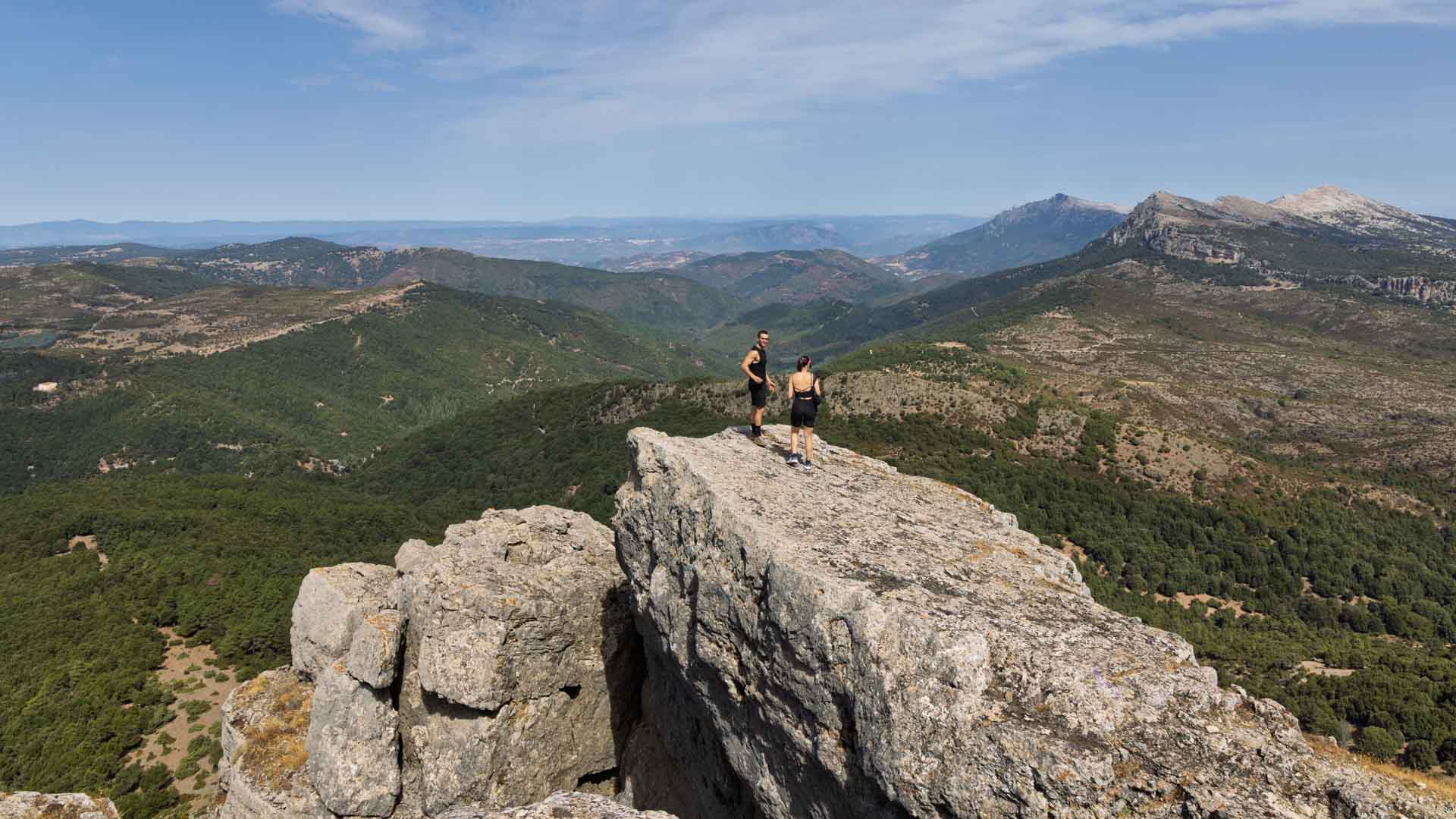
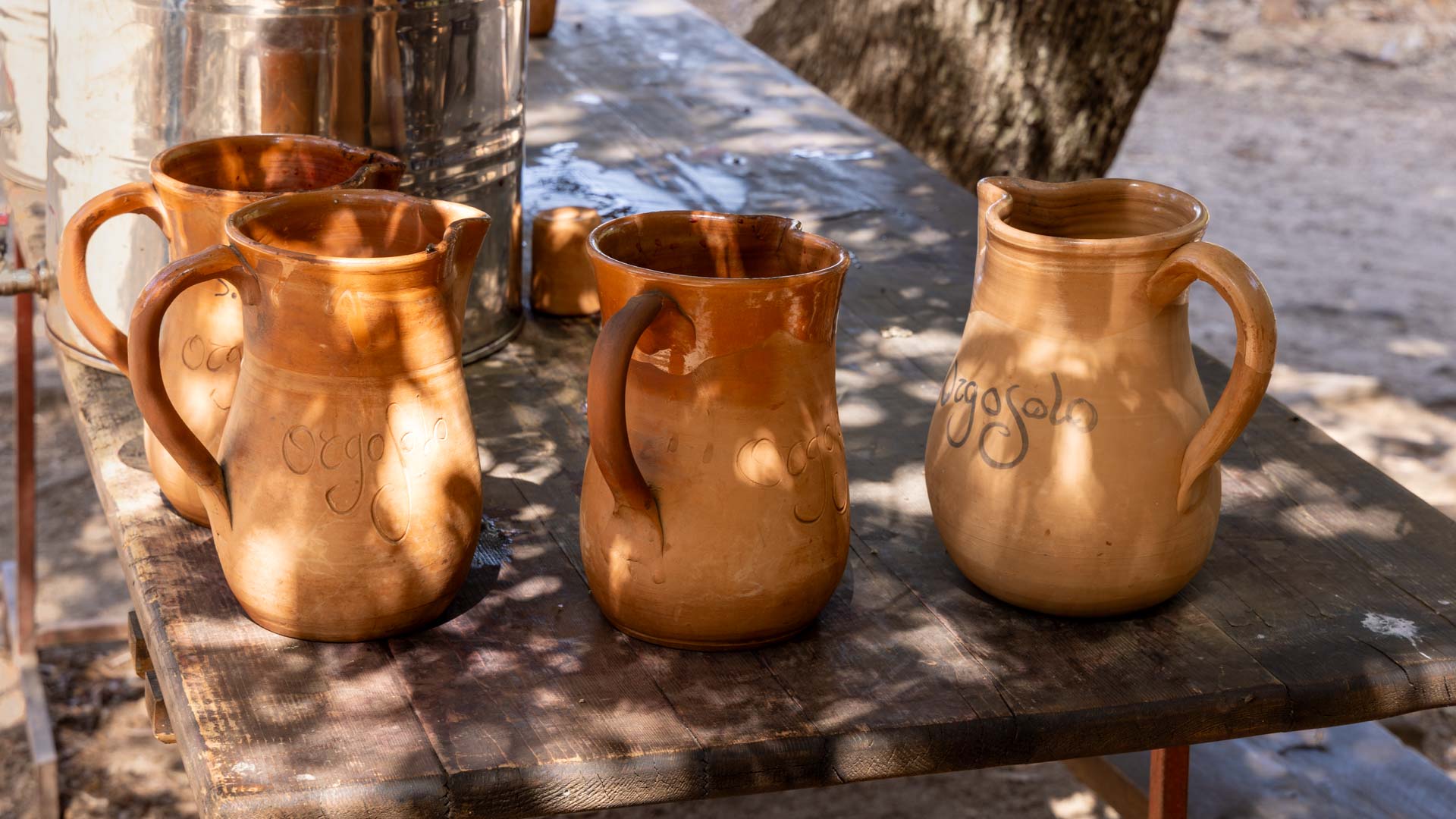
The shepherds’ lunch began with wine and ended with music and dancing. The best part, in my opinion, was the fresh Pecorino Sardo.
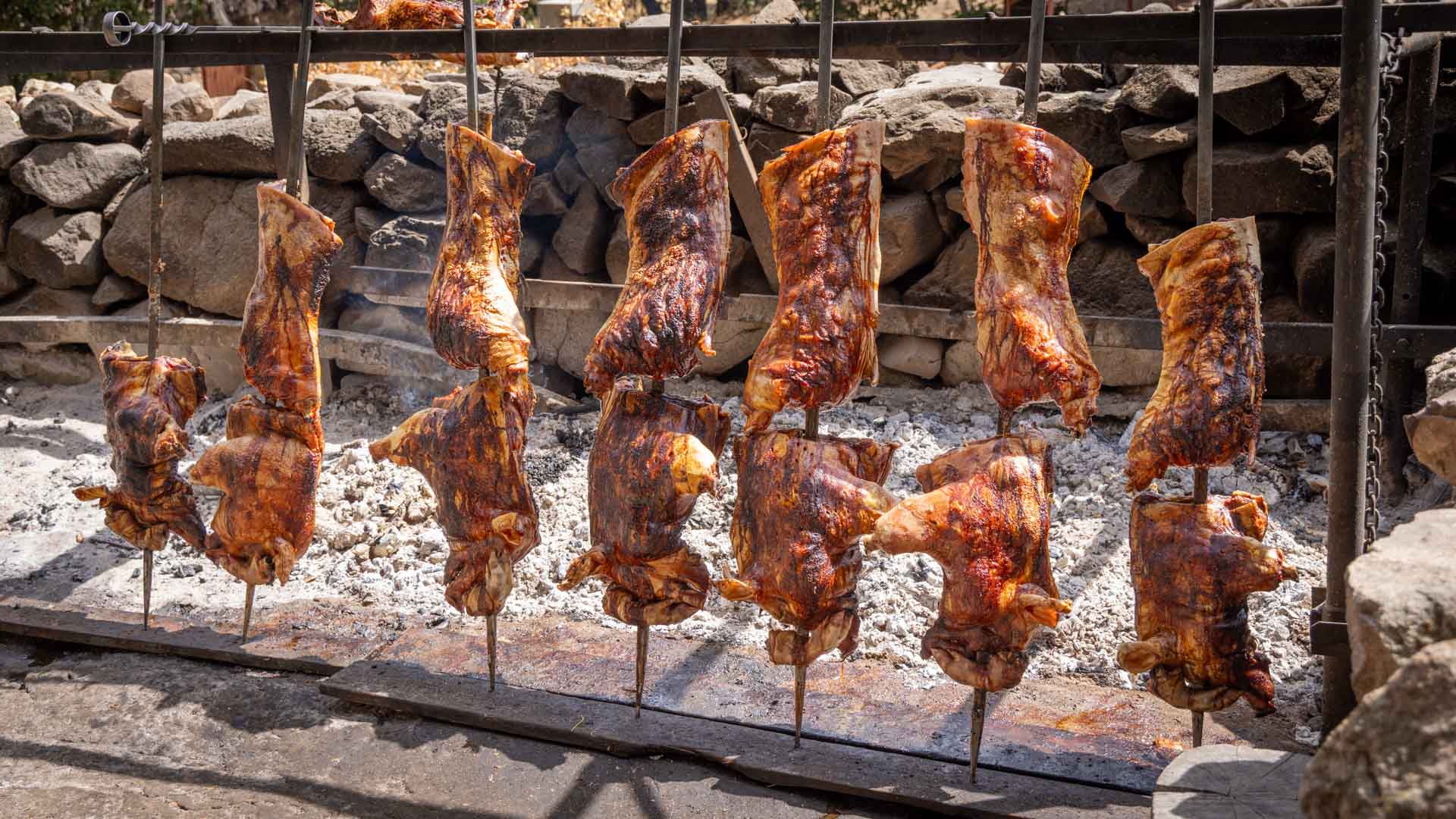
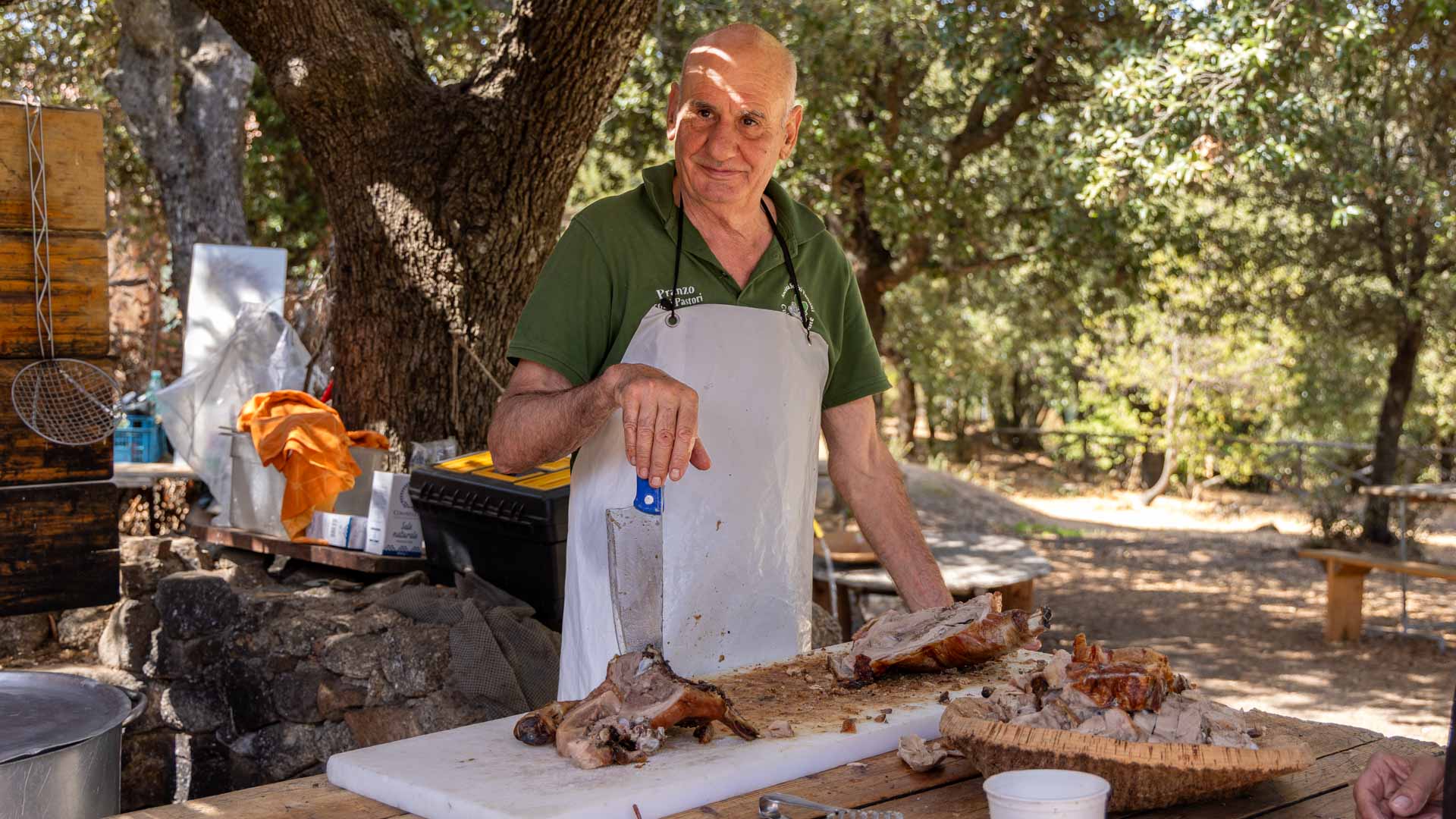
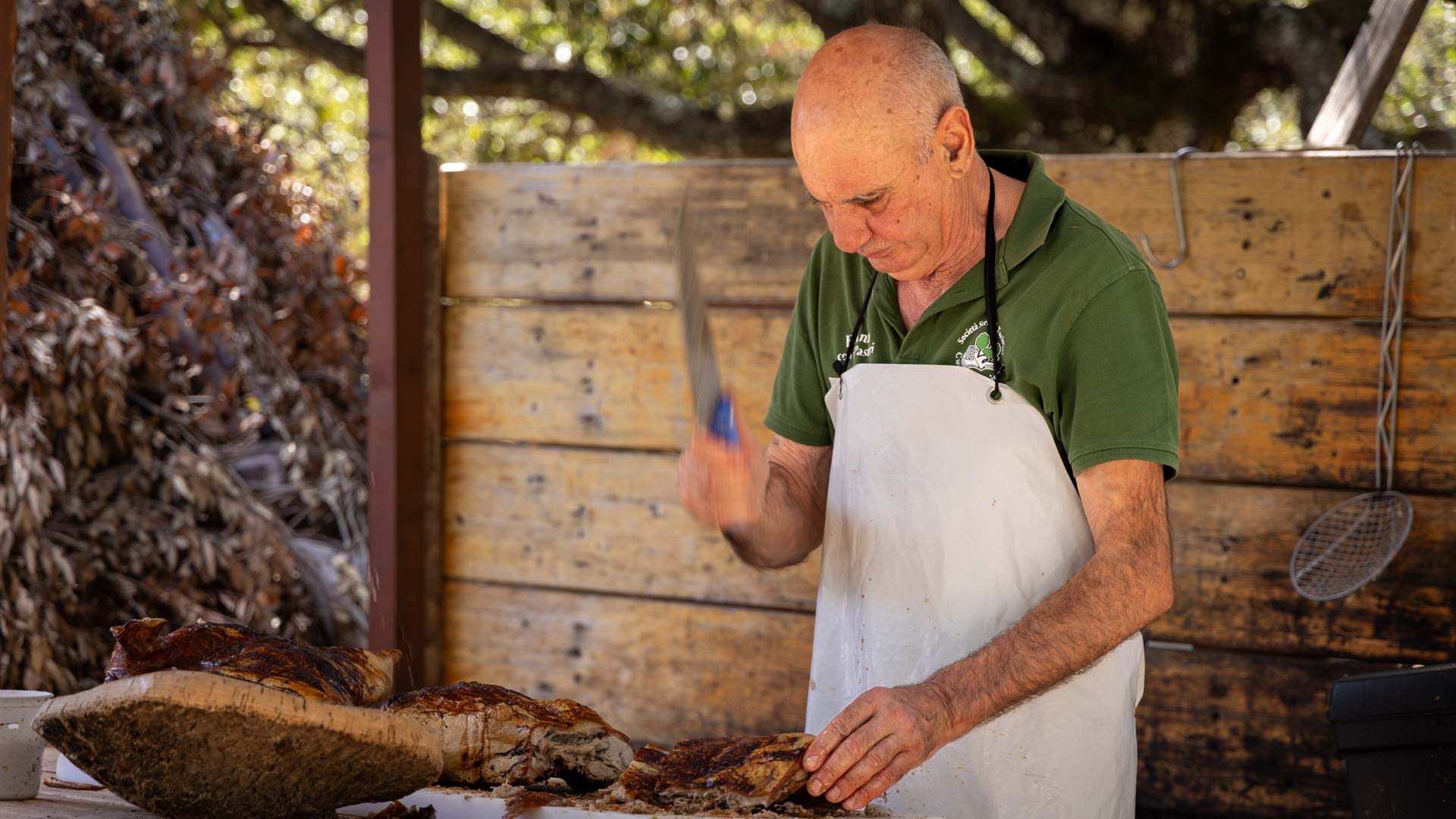
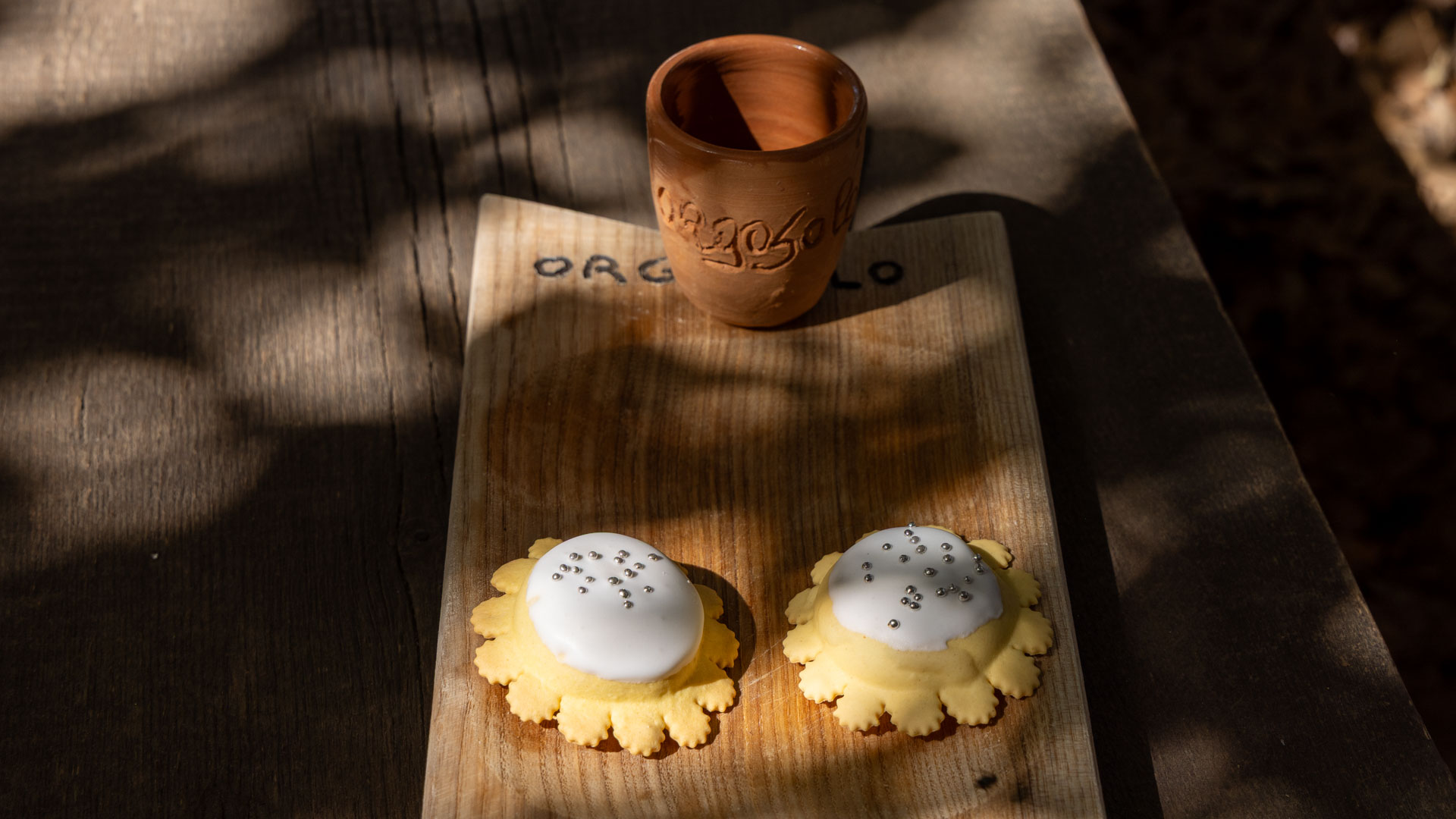
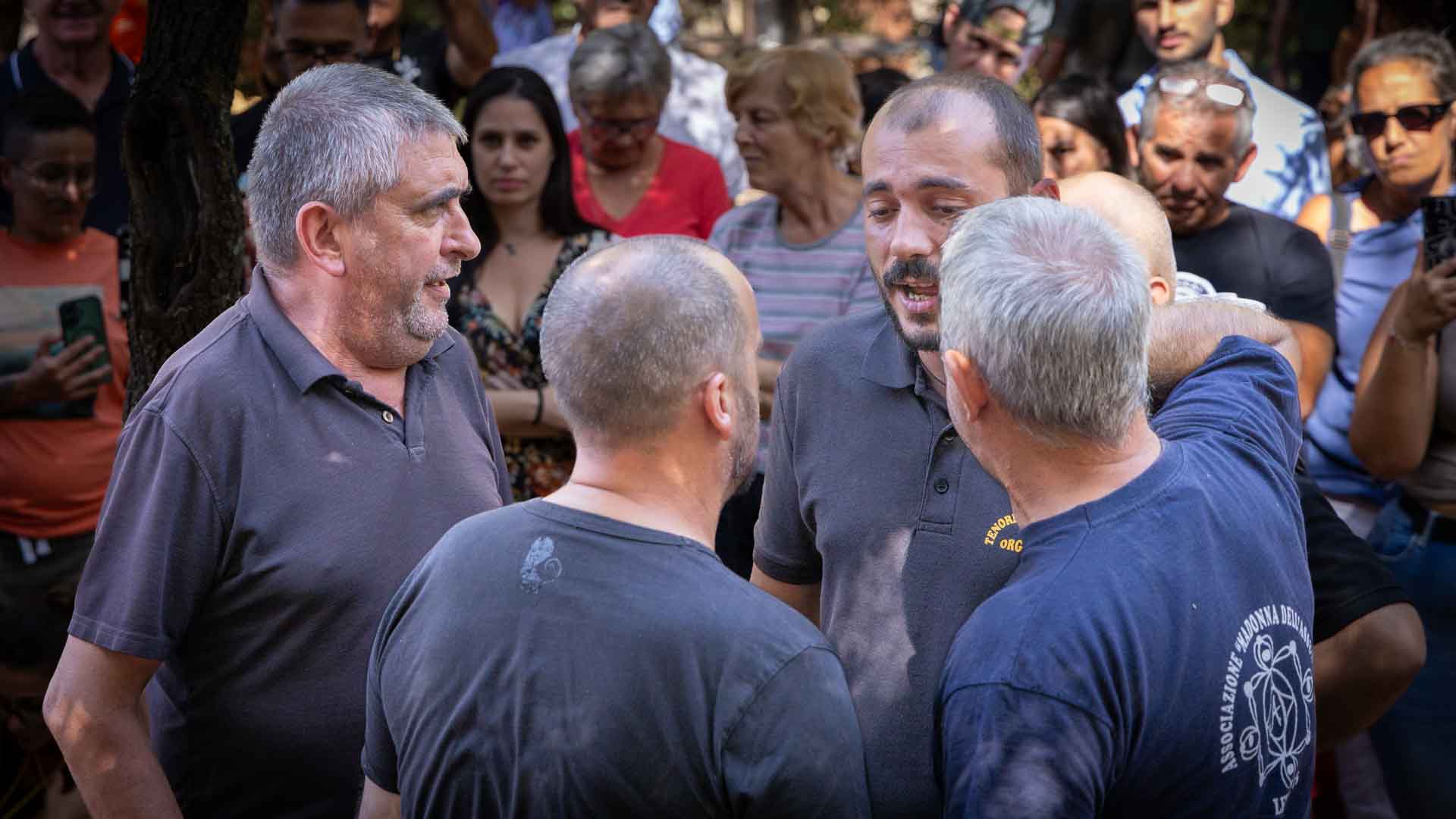
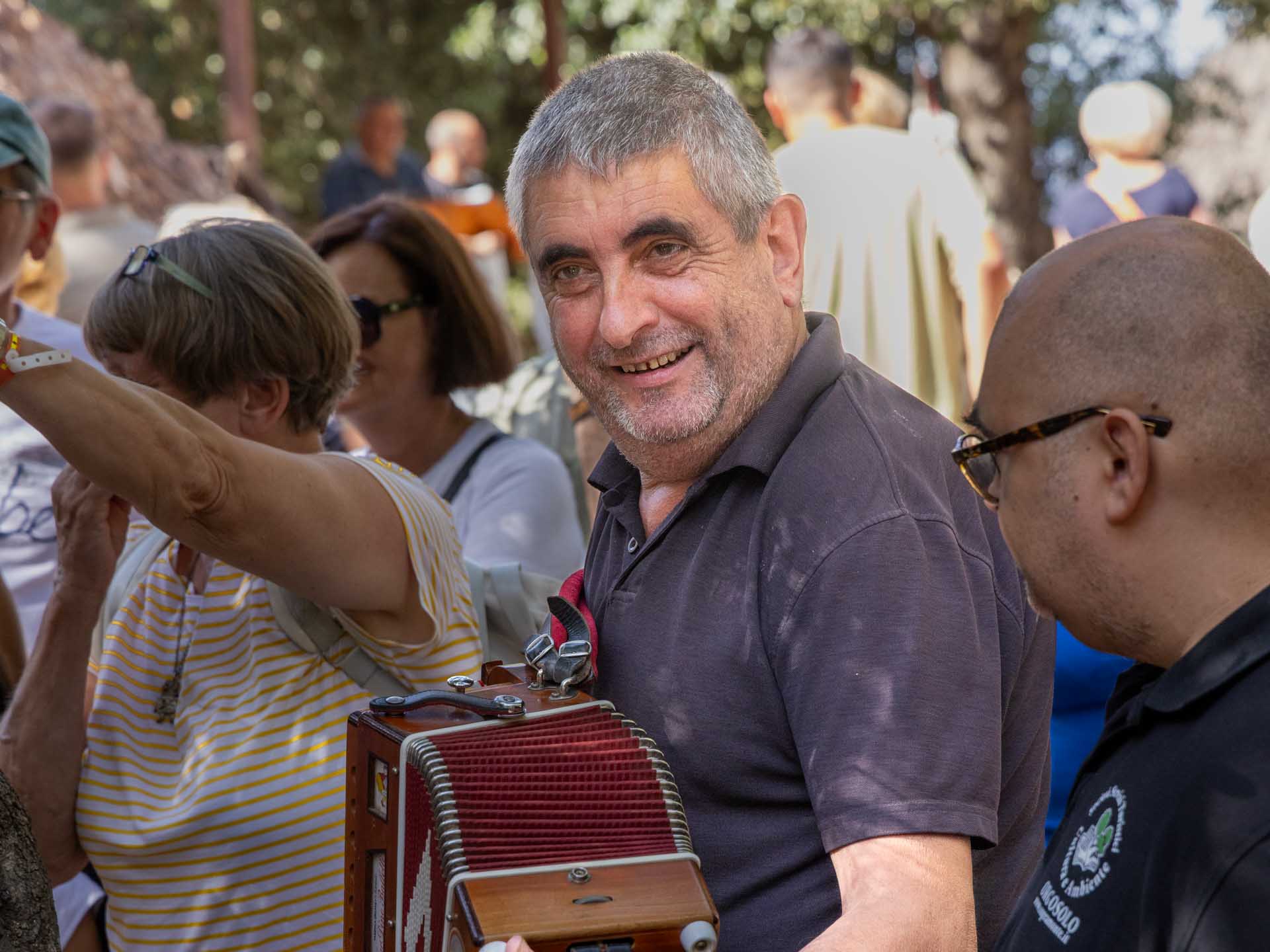
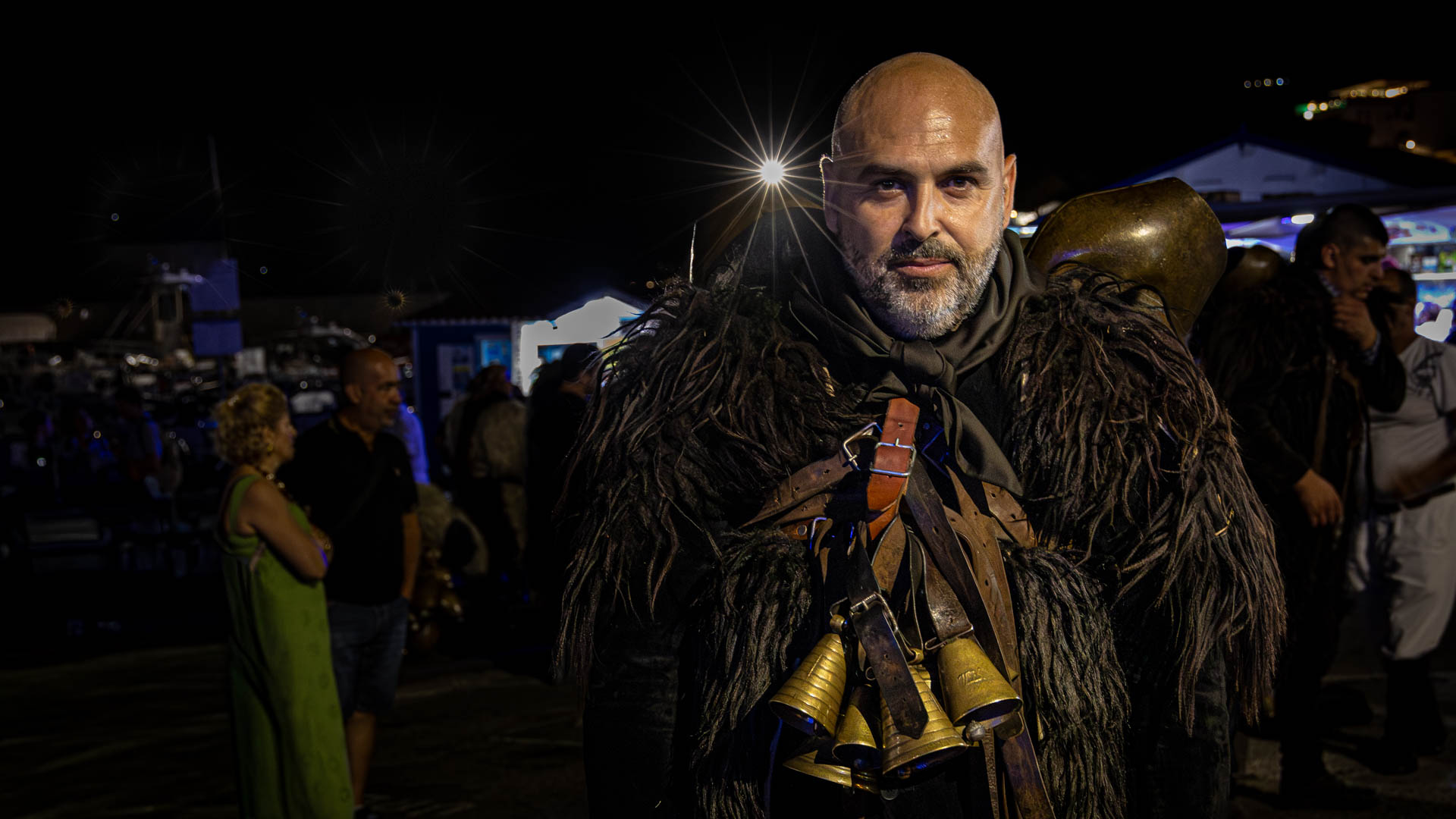
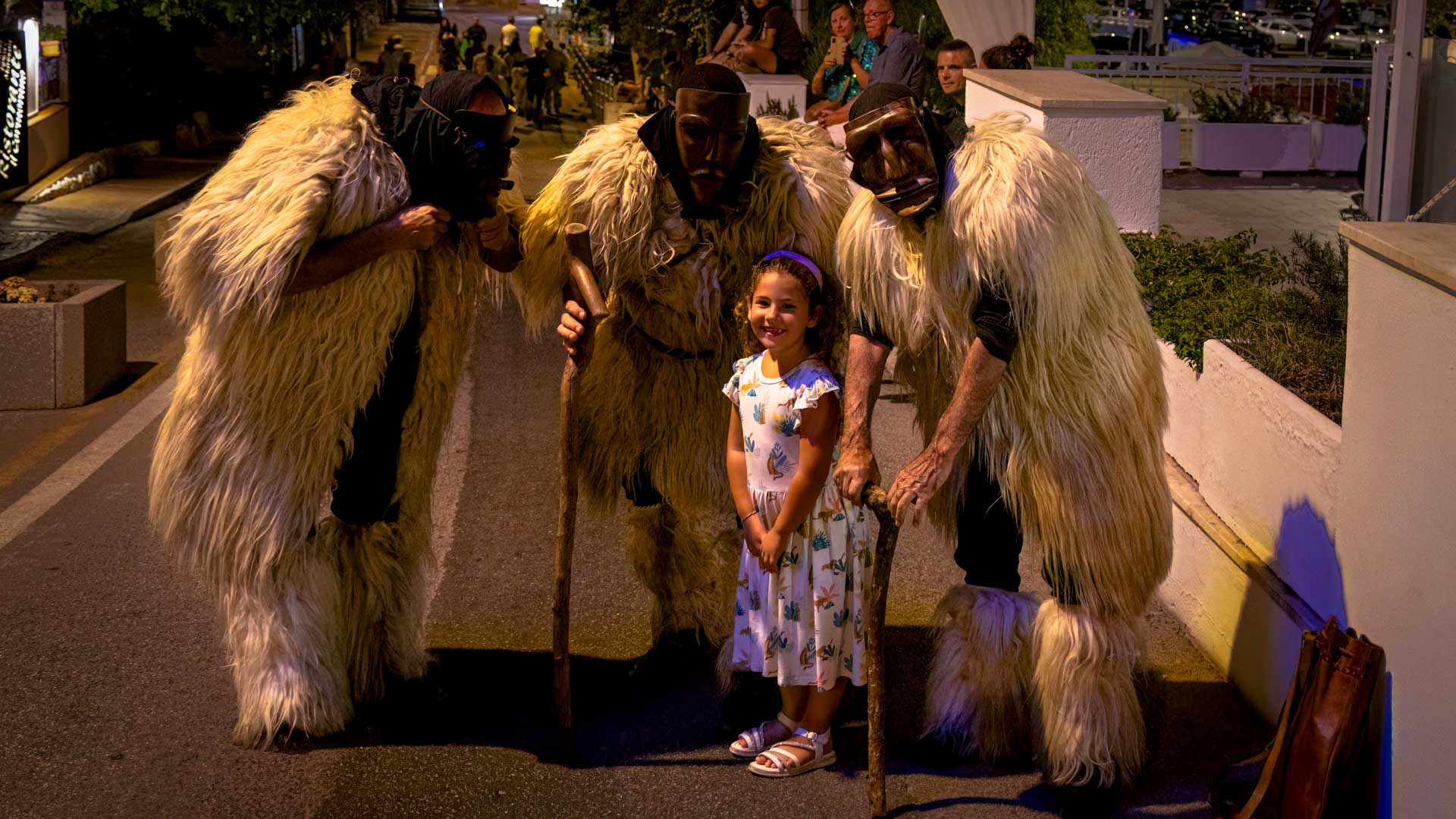
At night we witnessed a shepherd festival in the nearby village of Cala Ganone.
NURAGHI
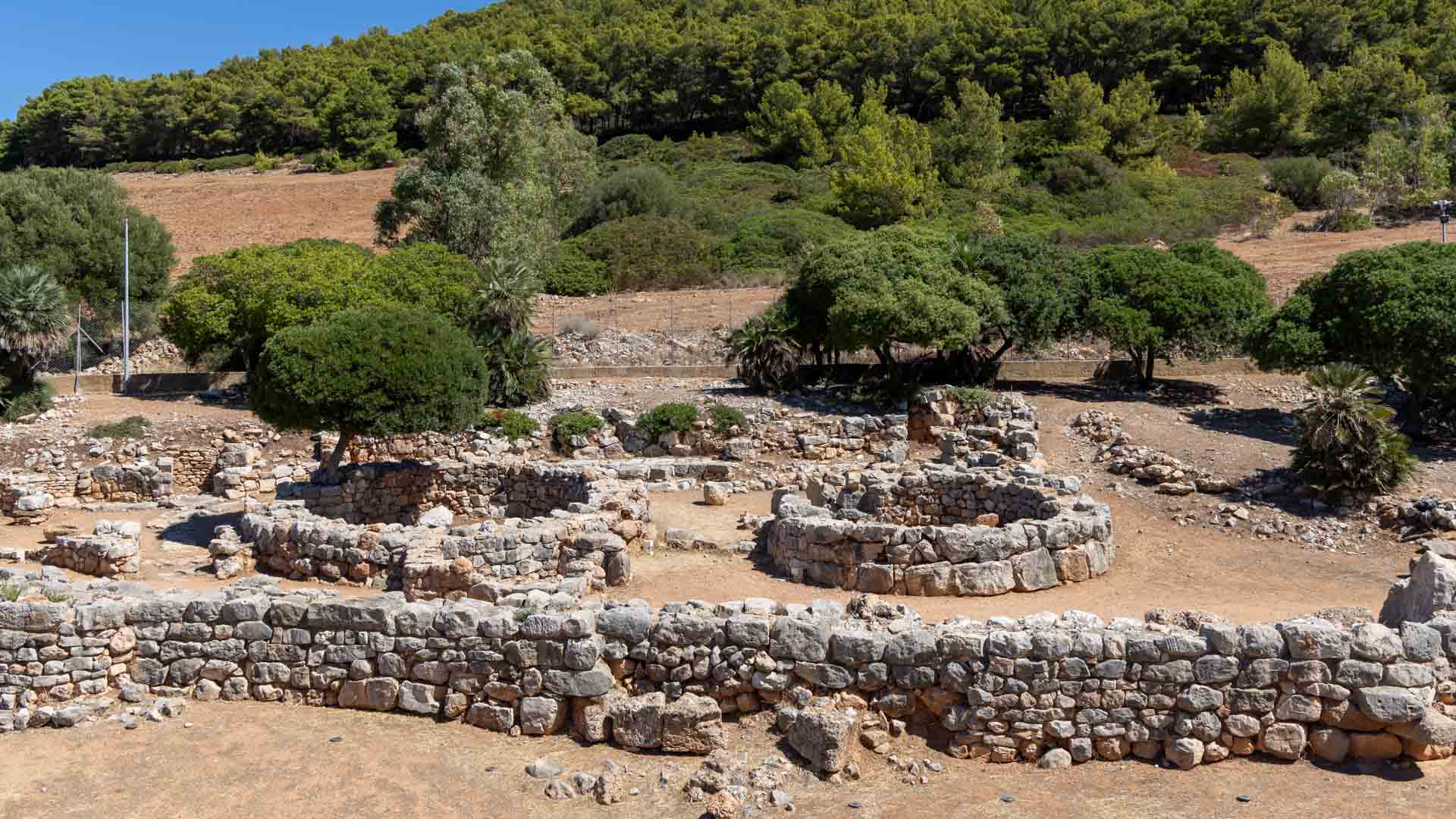
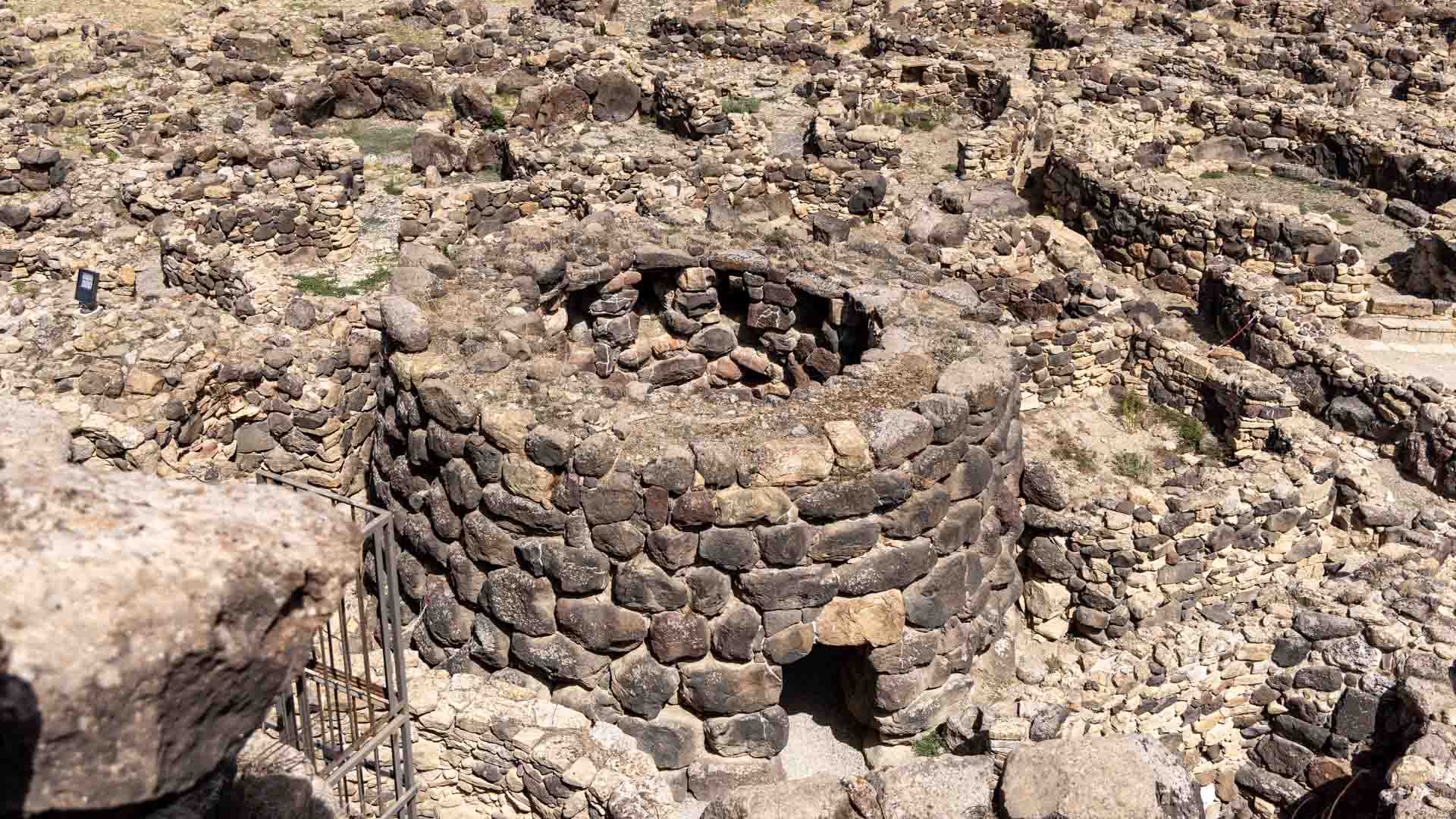
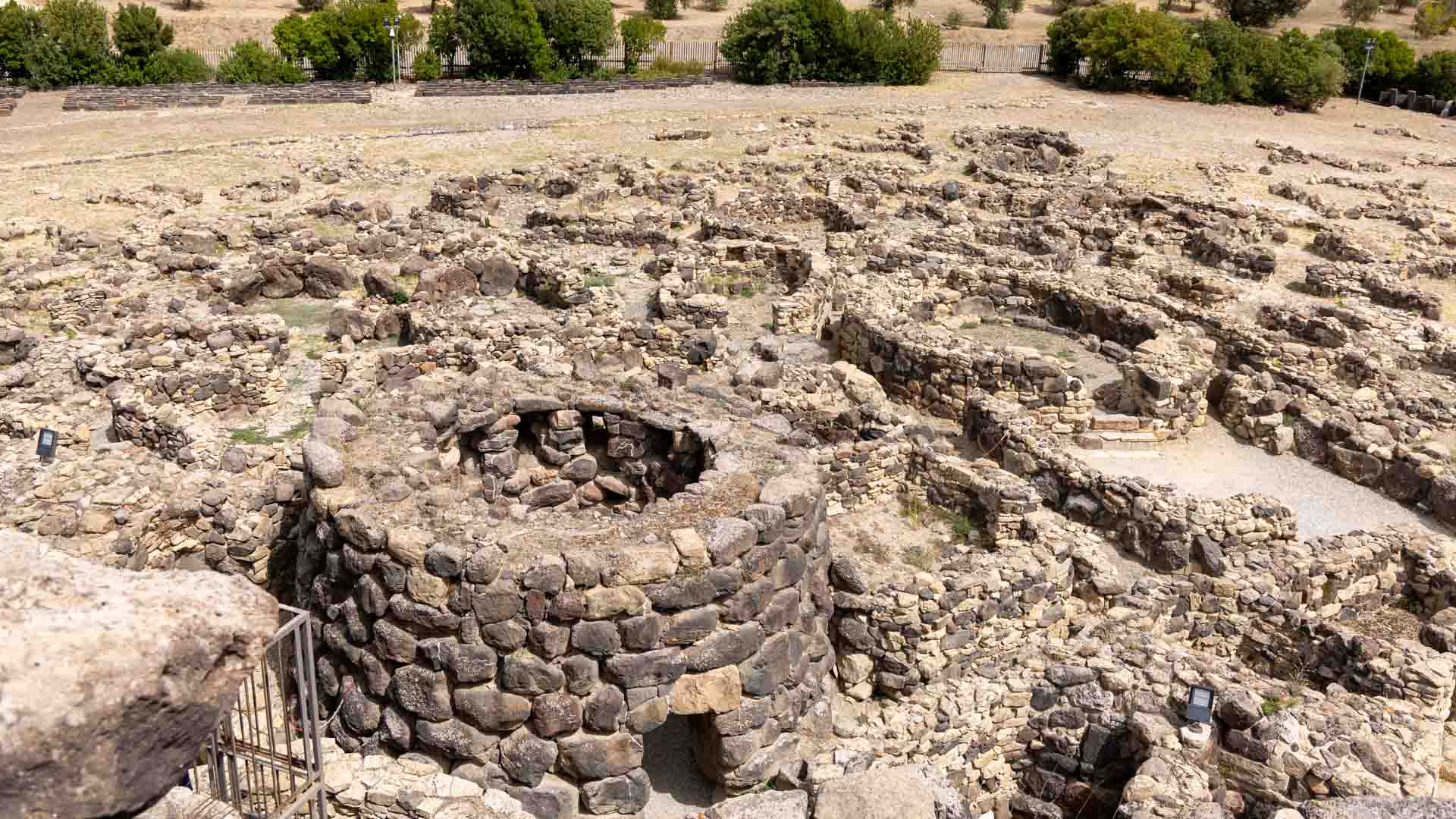
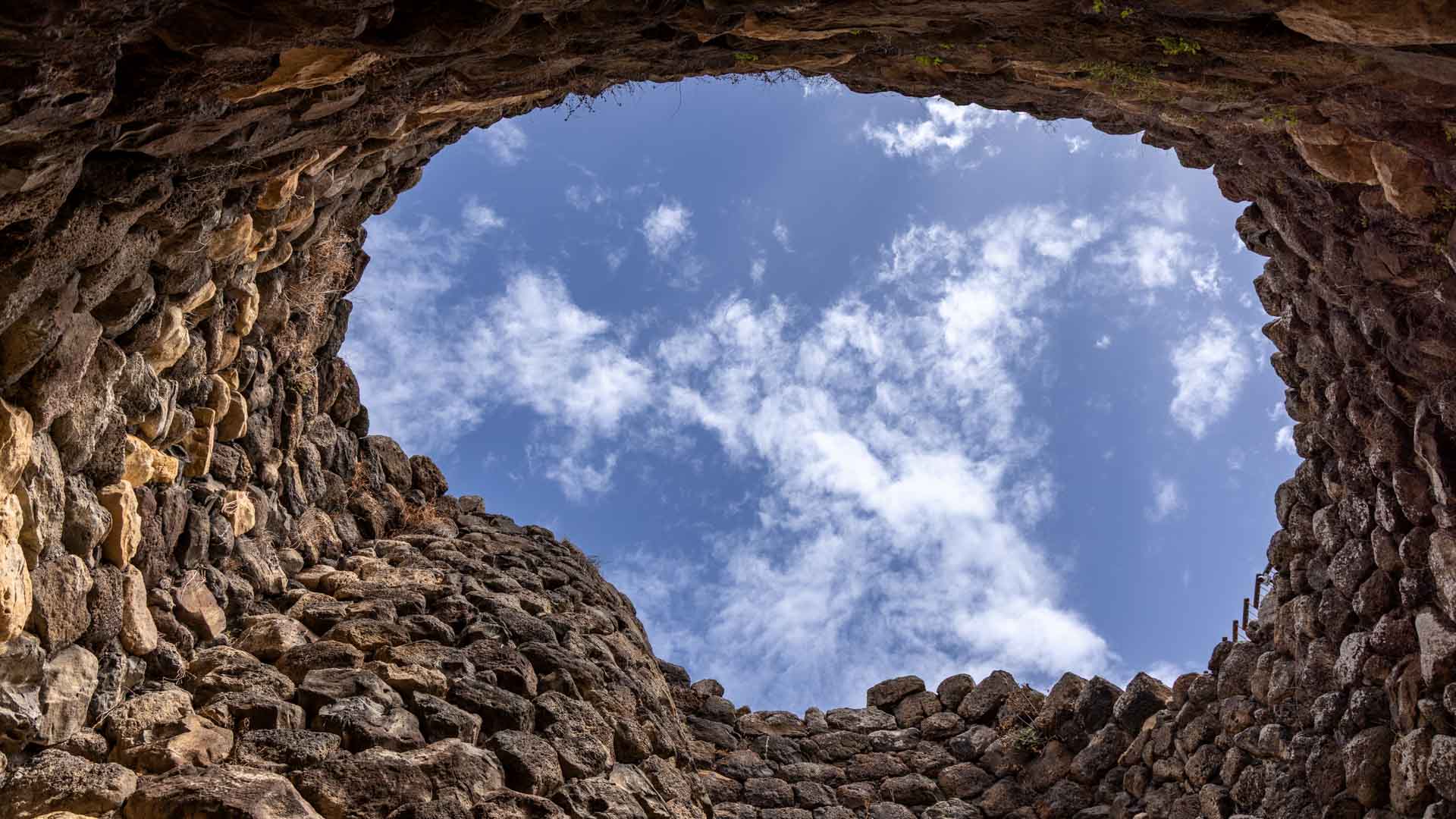
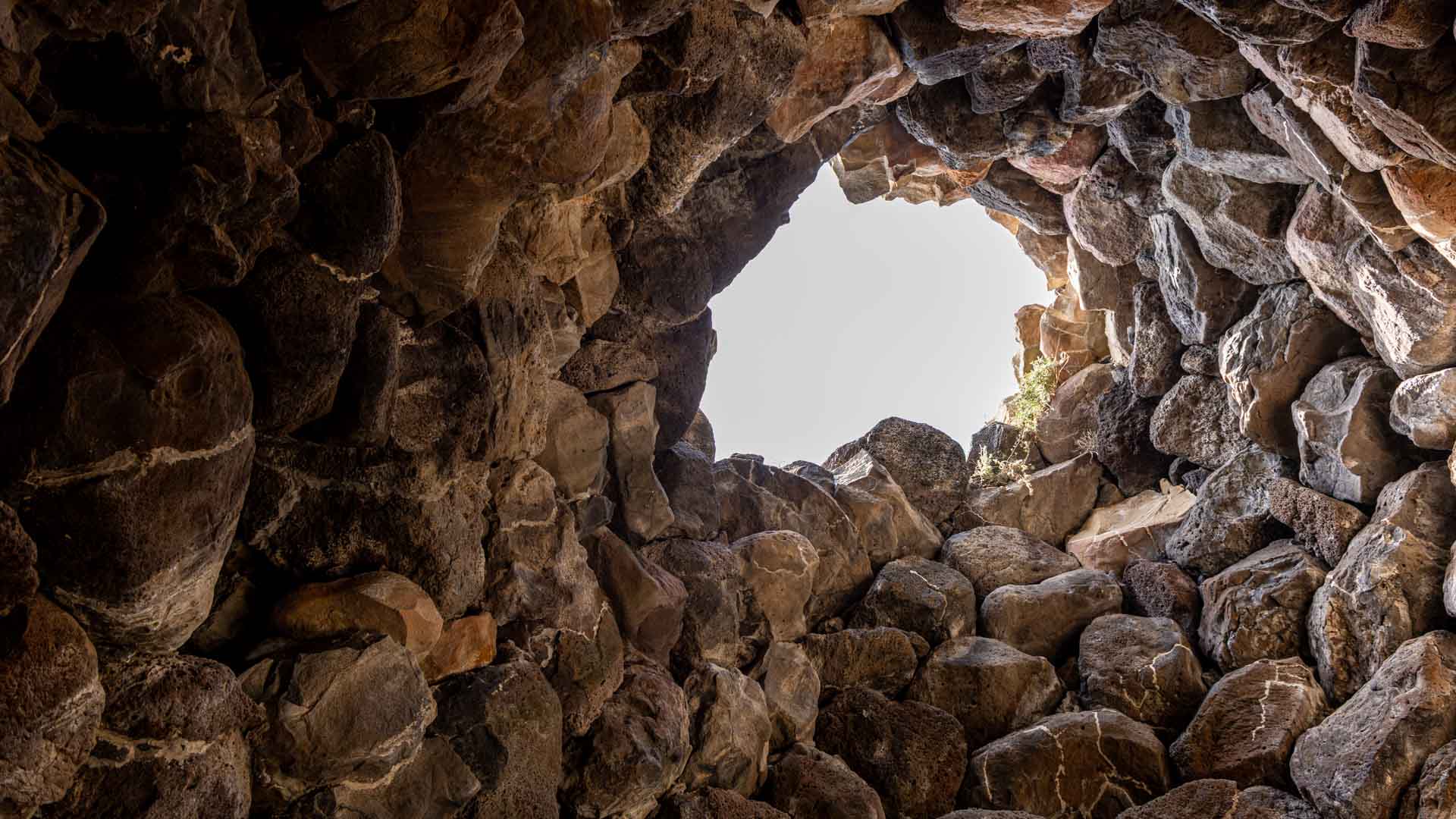
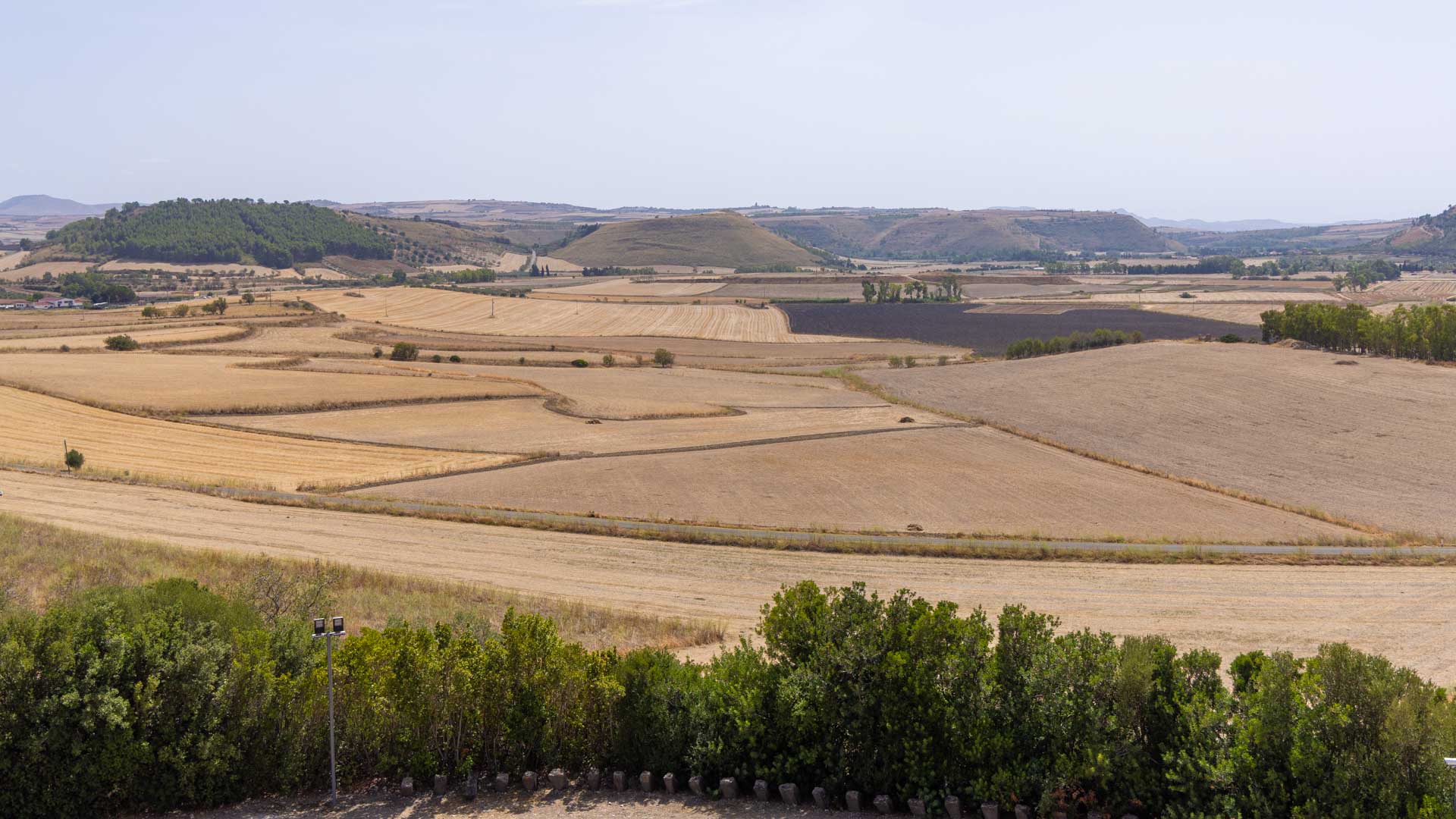
Although Sardinia is not the oldest civilization in Europe, it is home to some of the oldest and best-preserved prehistoric sites on the European continent. Its most famous indigenous culture, the Nuragic civilization, emerged around 1800 BCE during the Bronze Age. The island is dotted with more than 7,000 stone tower-fortresses known as nuraghi, as well as ancient Nuragic tombs. One of the most remarkable sites is Su Nuraxi di Barumini, a UNESCO World Heritage Site.
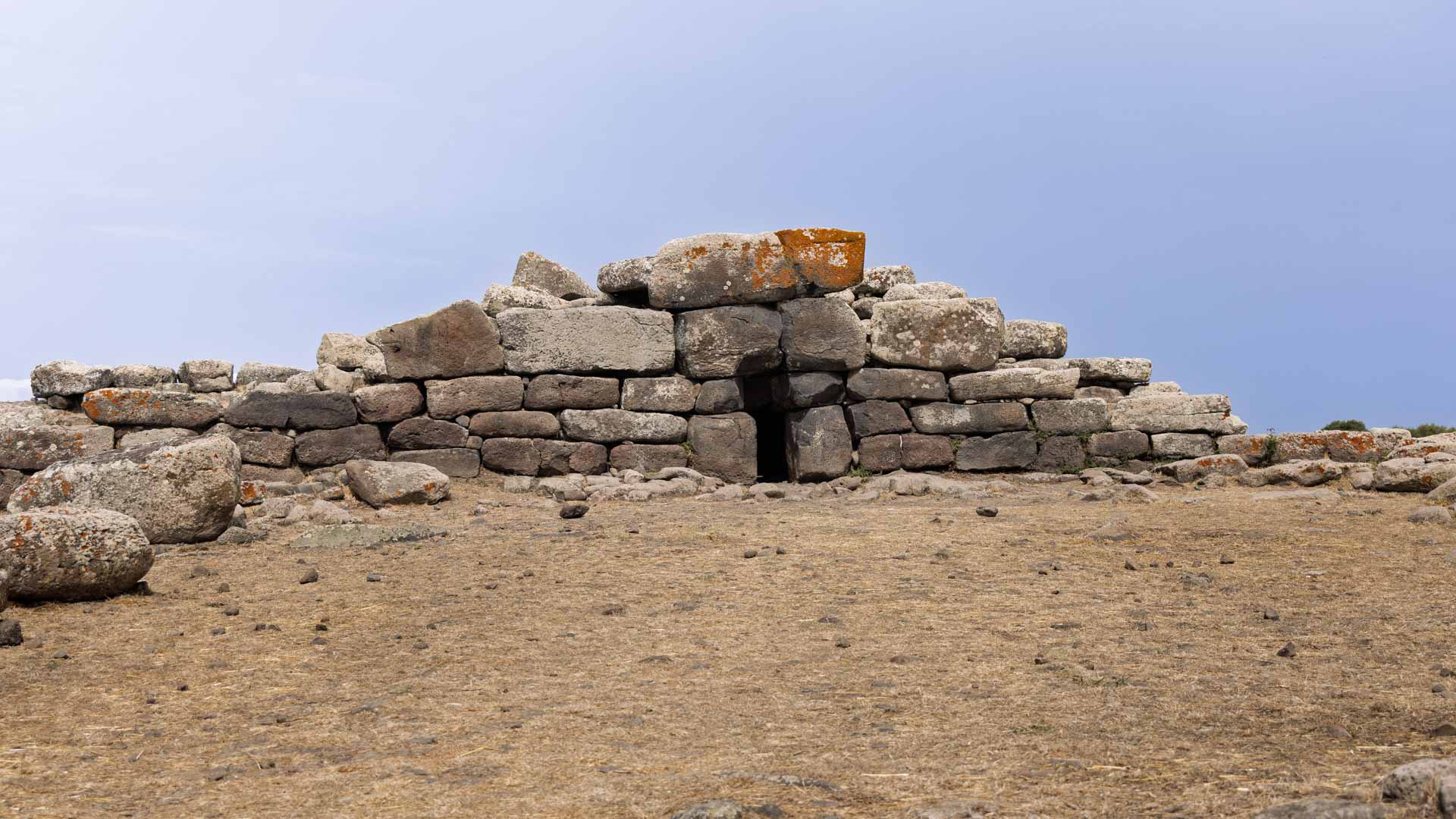
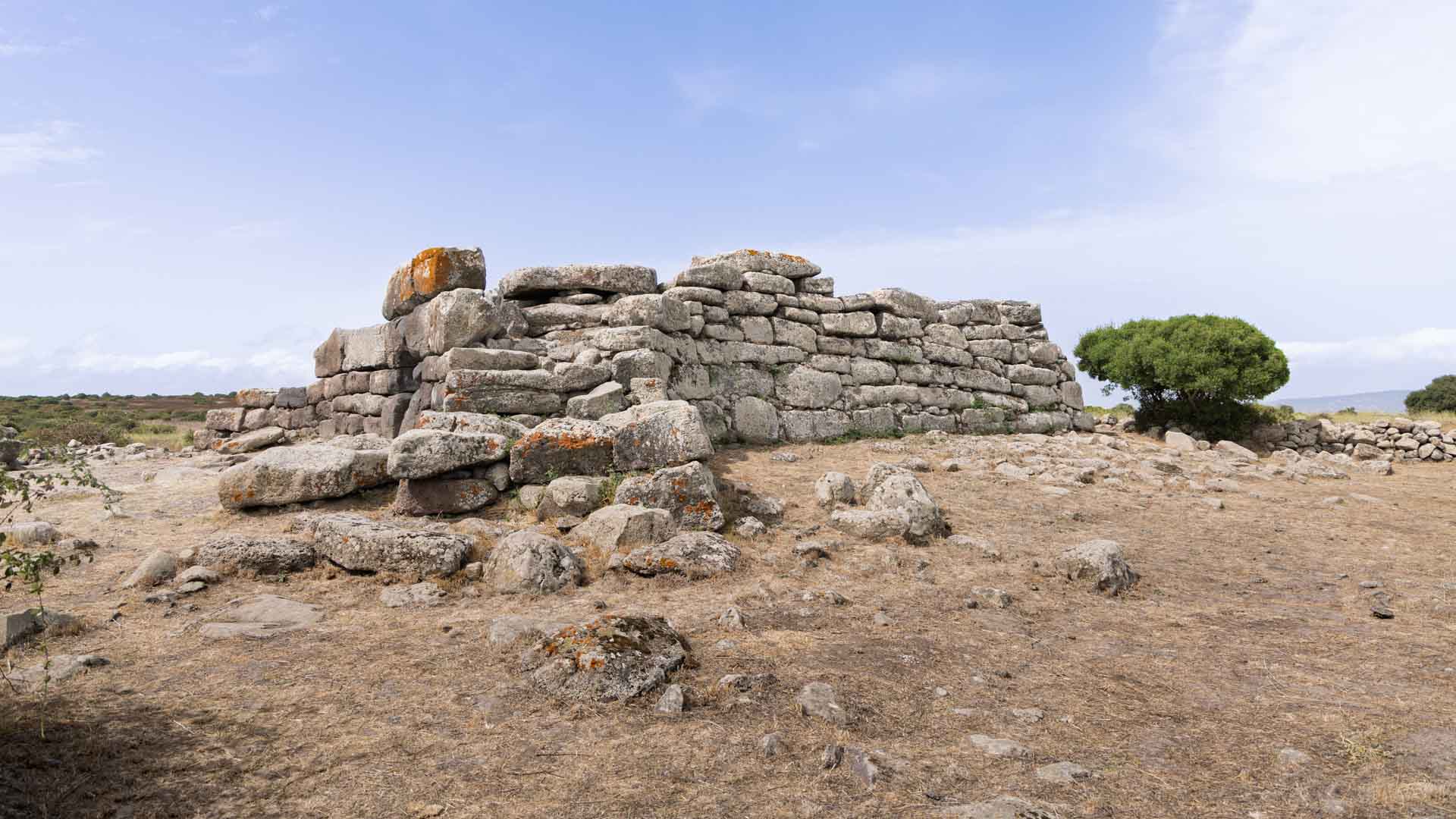
We also visited one of the largest and best-preserved Giants’ Tombs, dating to the ancient Nuragic Bronze Age, in Siddi, not far from Barumini.
CAGLIARI
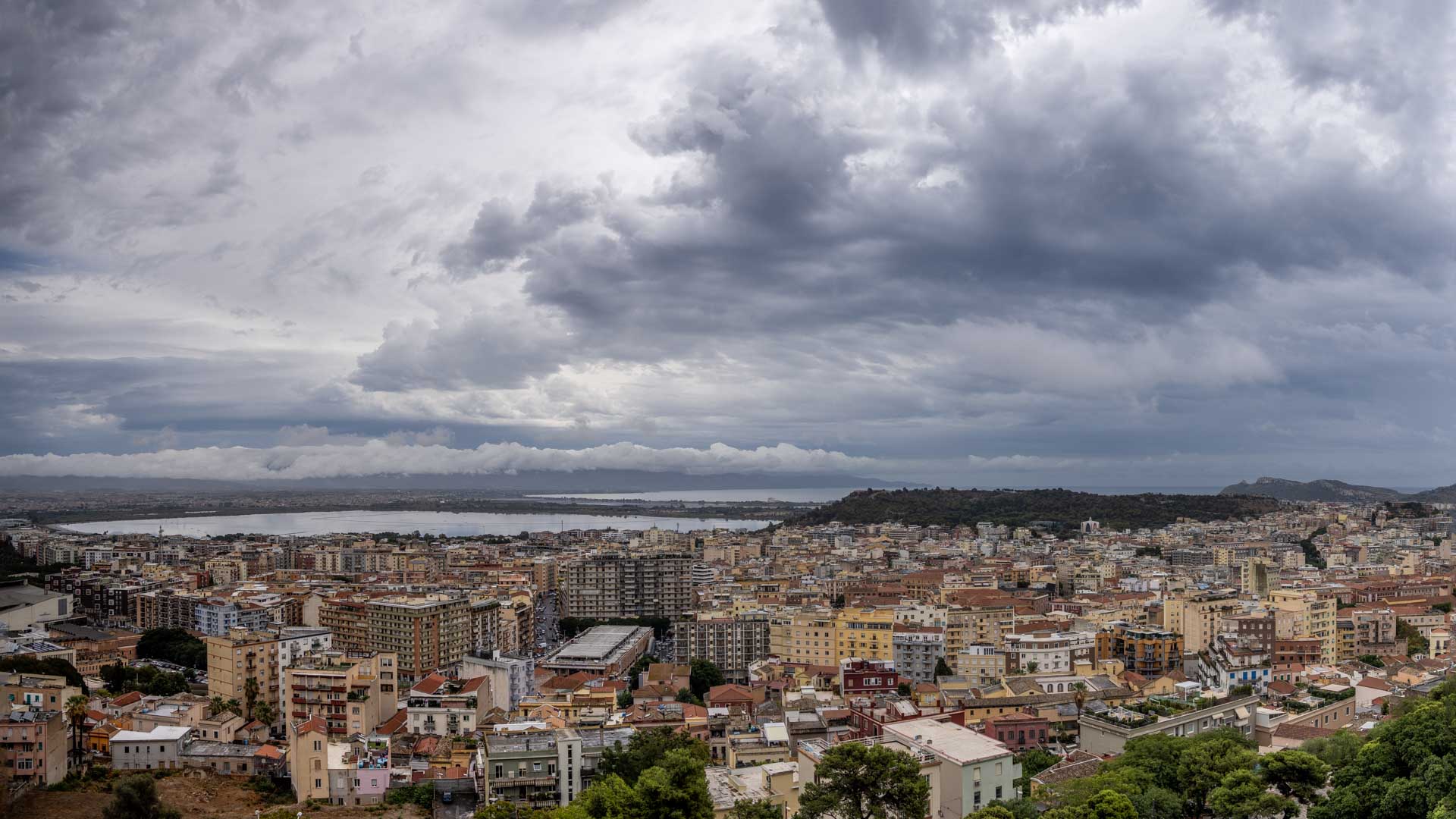
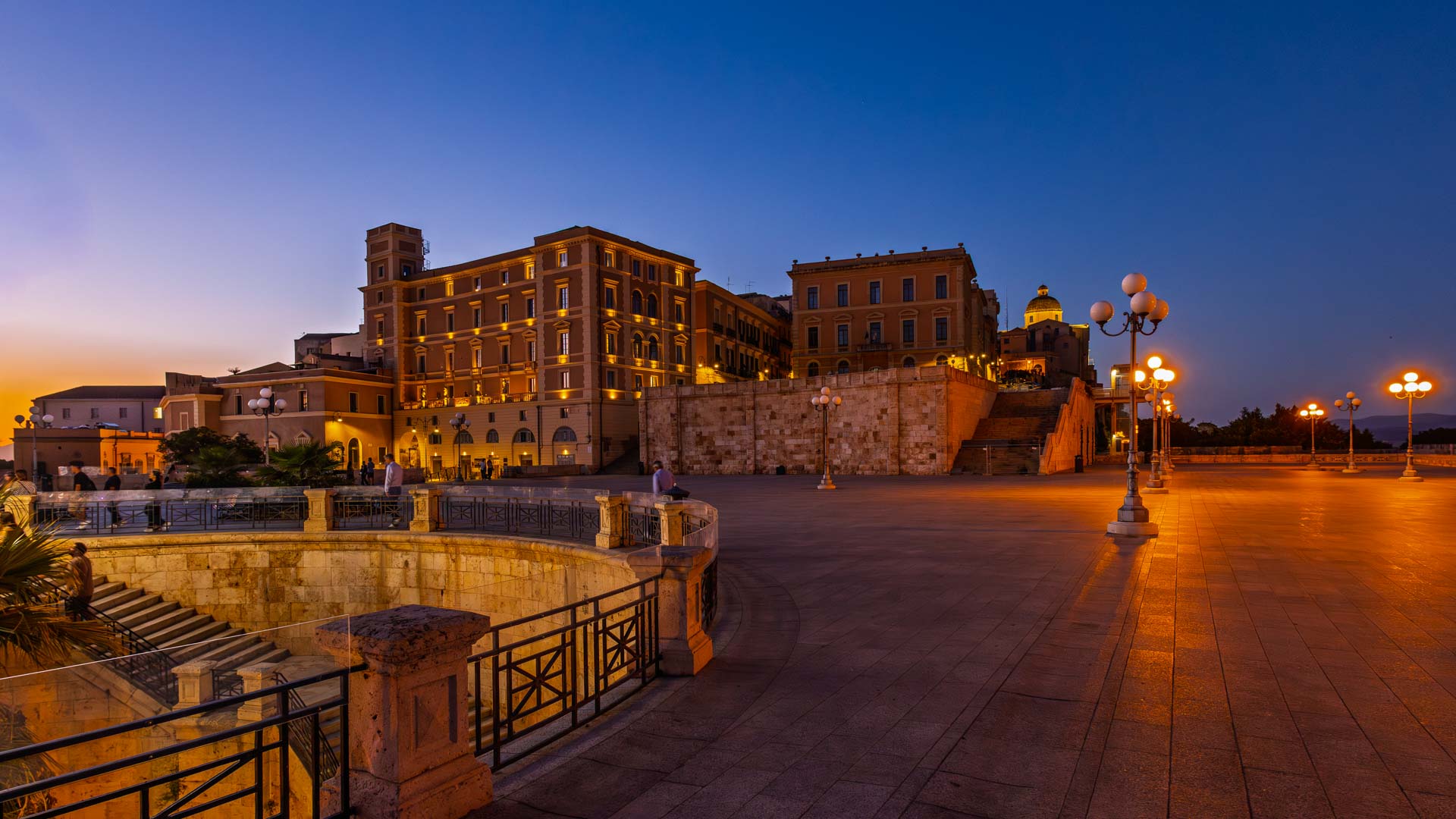
“And suddenly there is Cagliari: a naked town rising steep, steep, golden-looking, piled naked to the sky… It is a steep and lonely city, treeless, as in some old illumination… The city piles up lofty and almost miniature, and makes me think of Jerusalem: without trees, without cover, rising rather bare and proud, remote as if back in history, like a town in a monkish, illuminated missal.” [D.H. Lawrence]
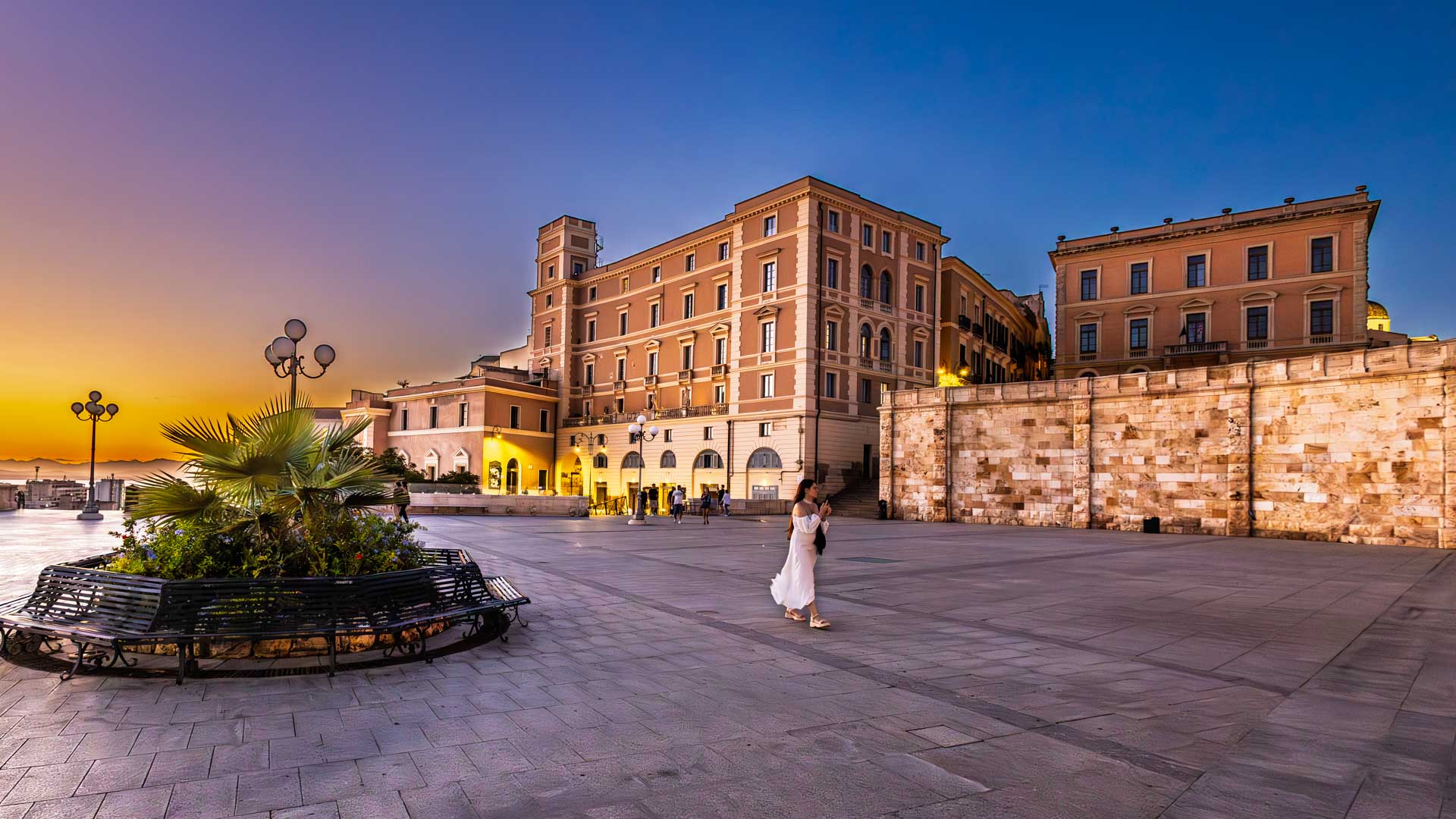
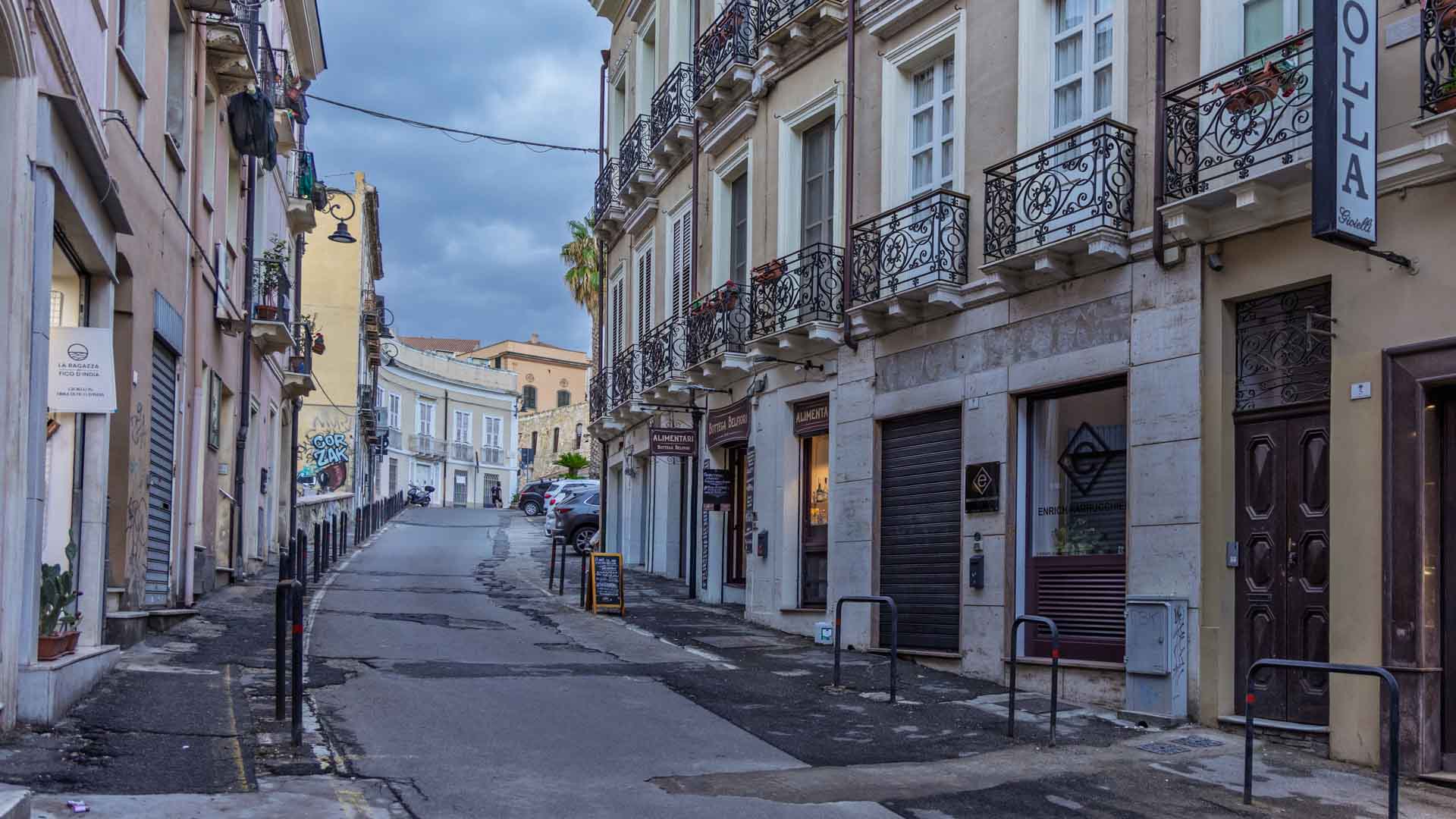
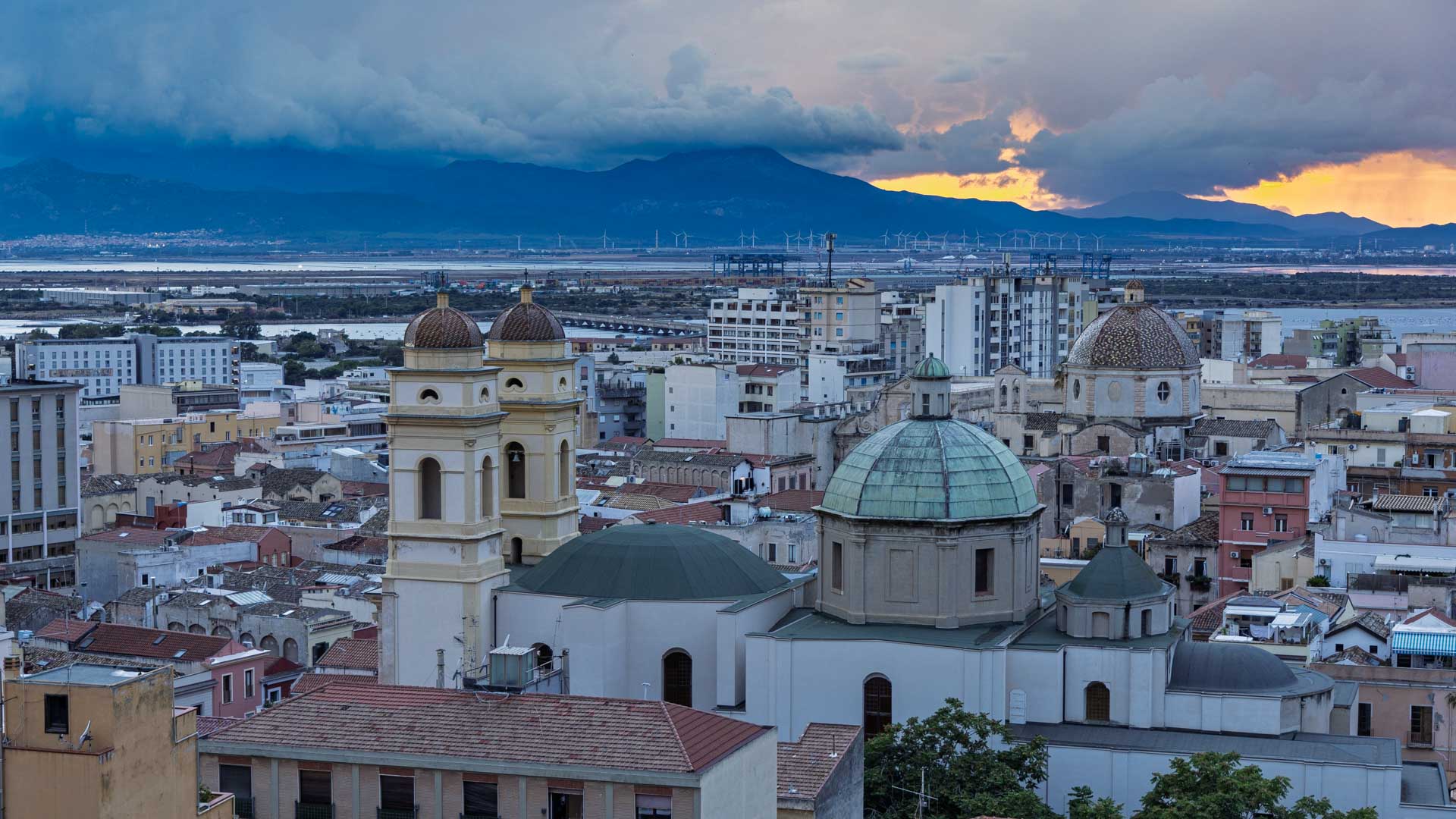
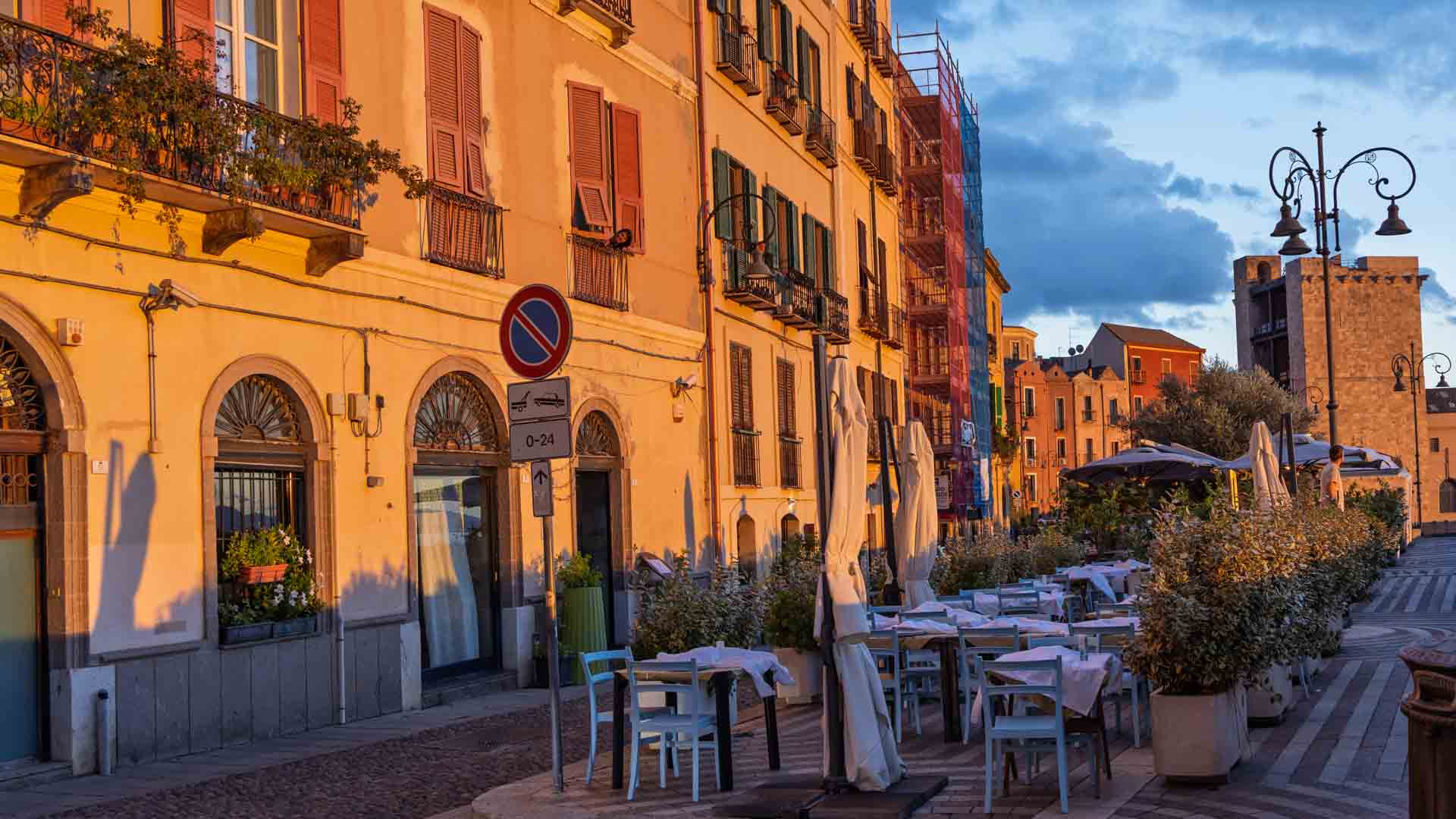
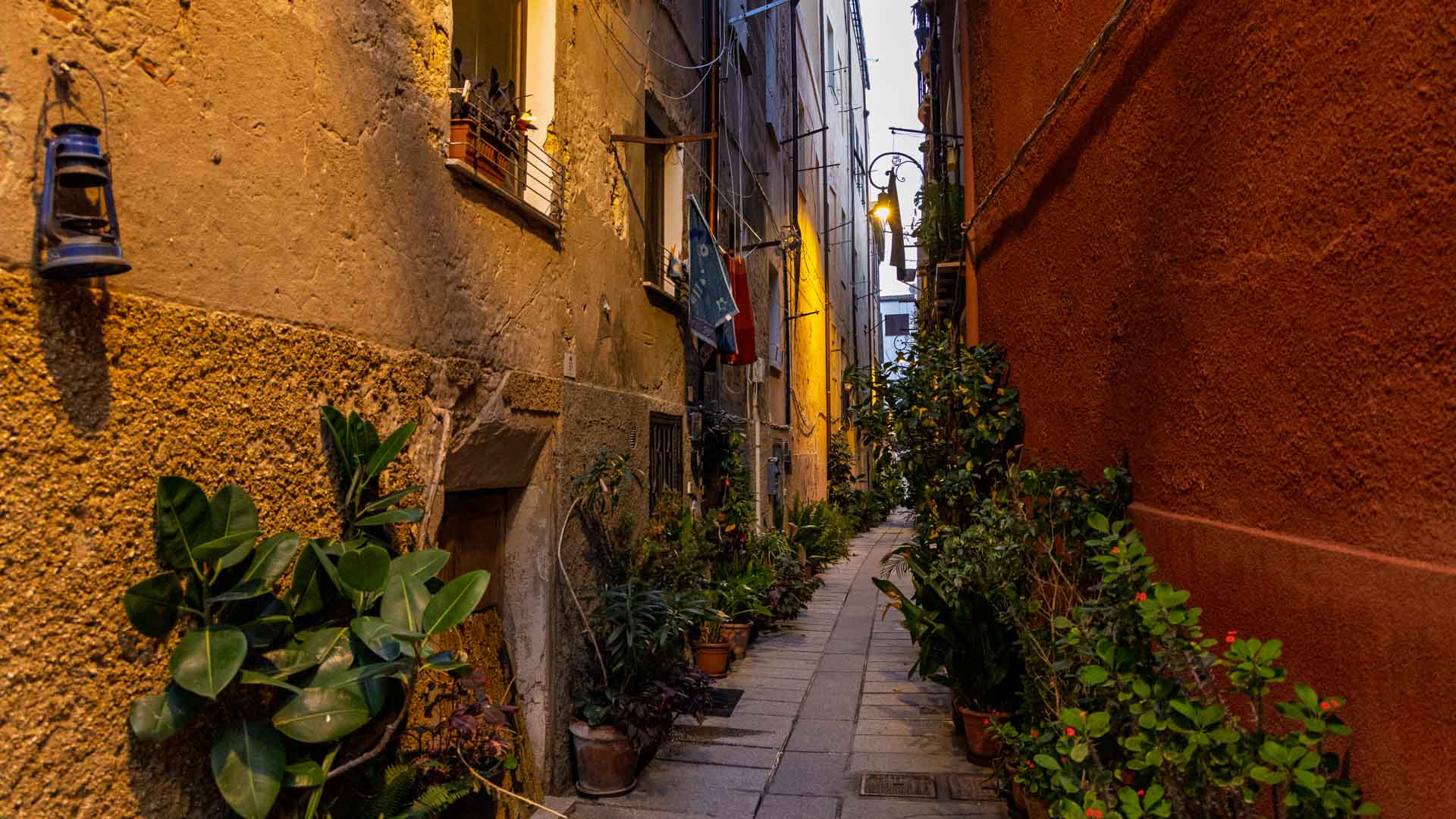
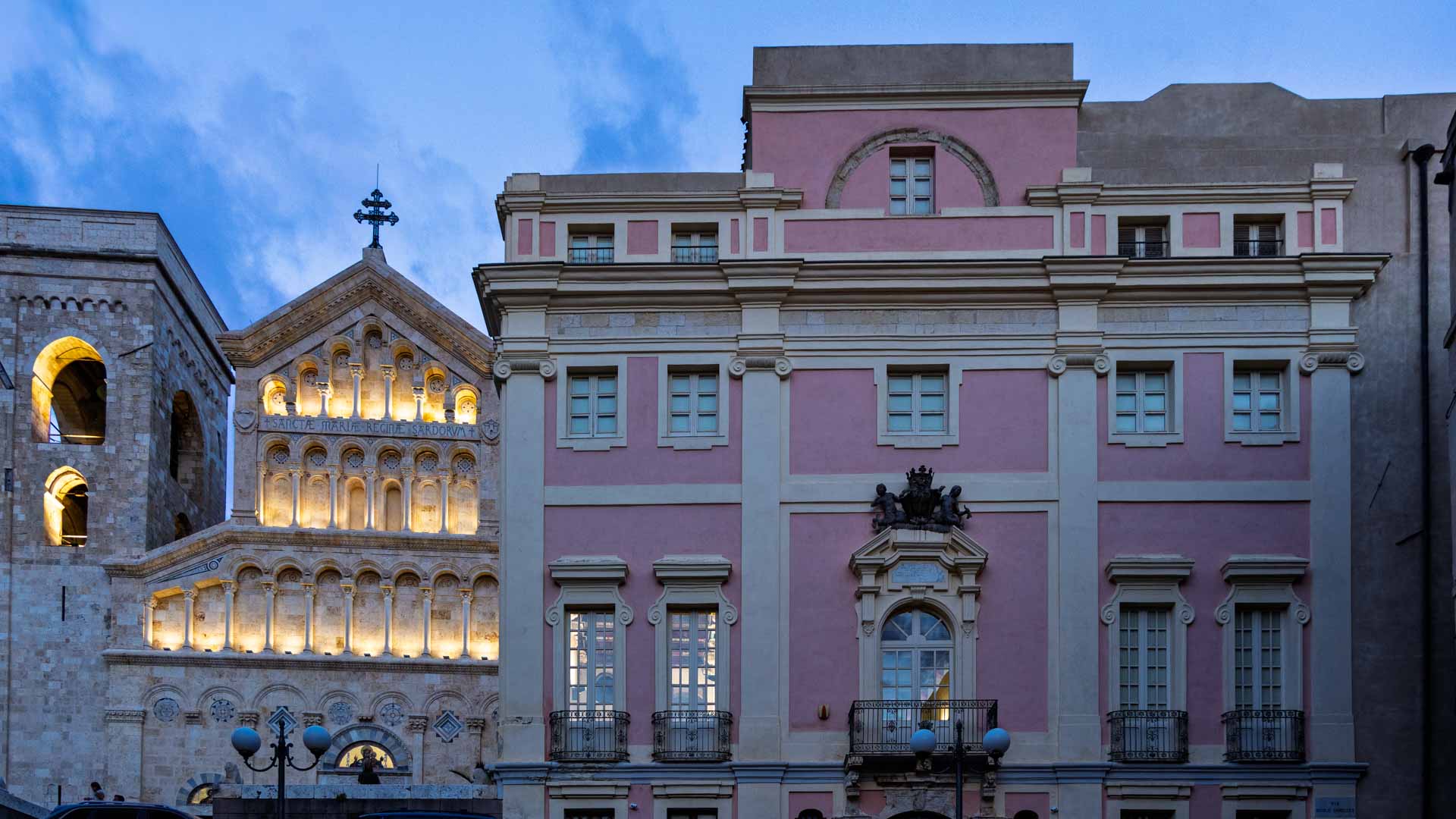
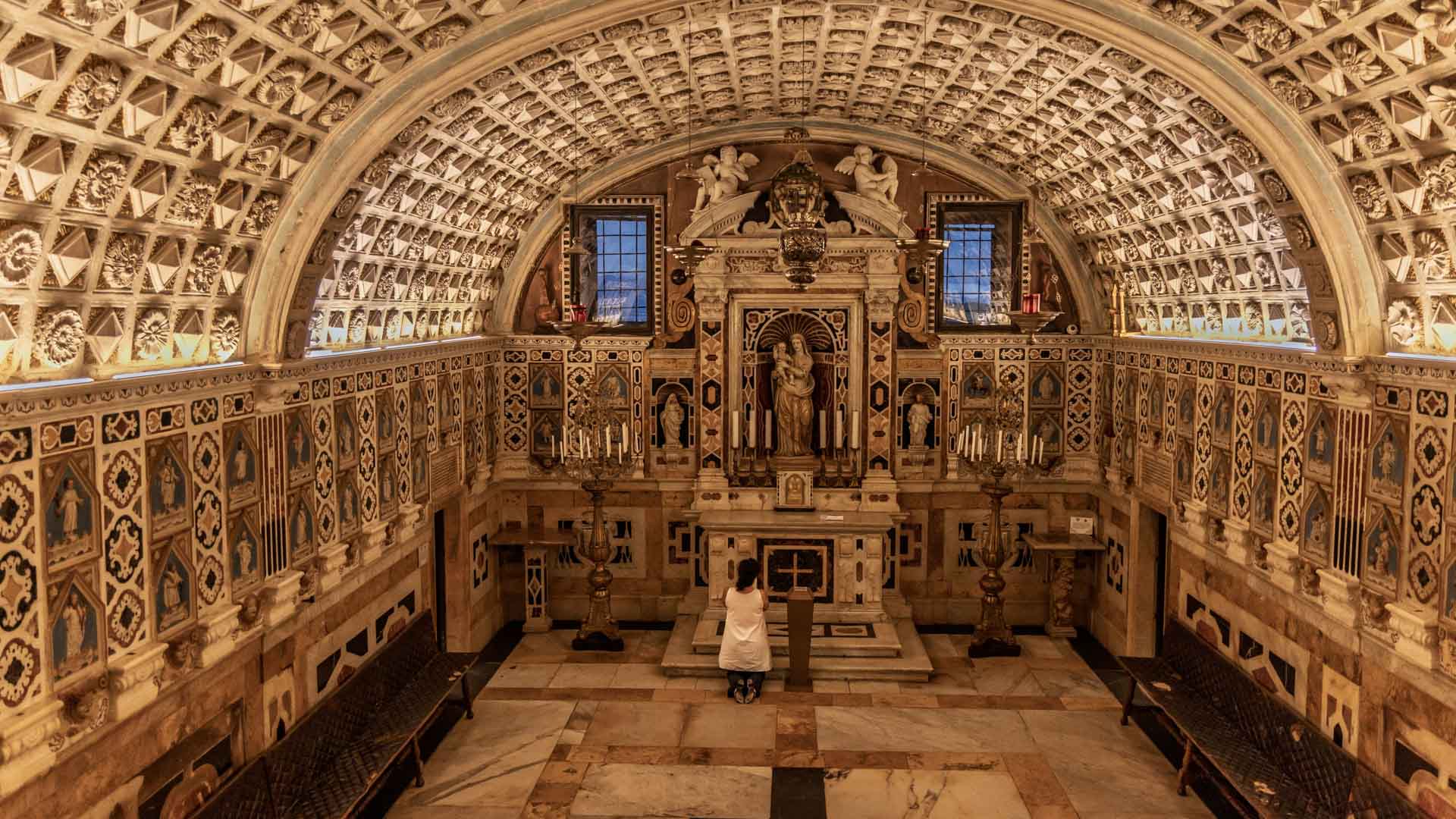
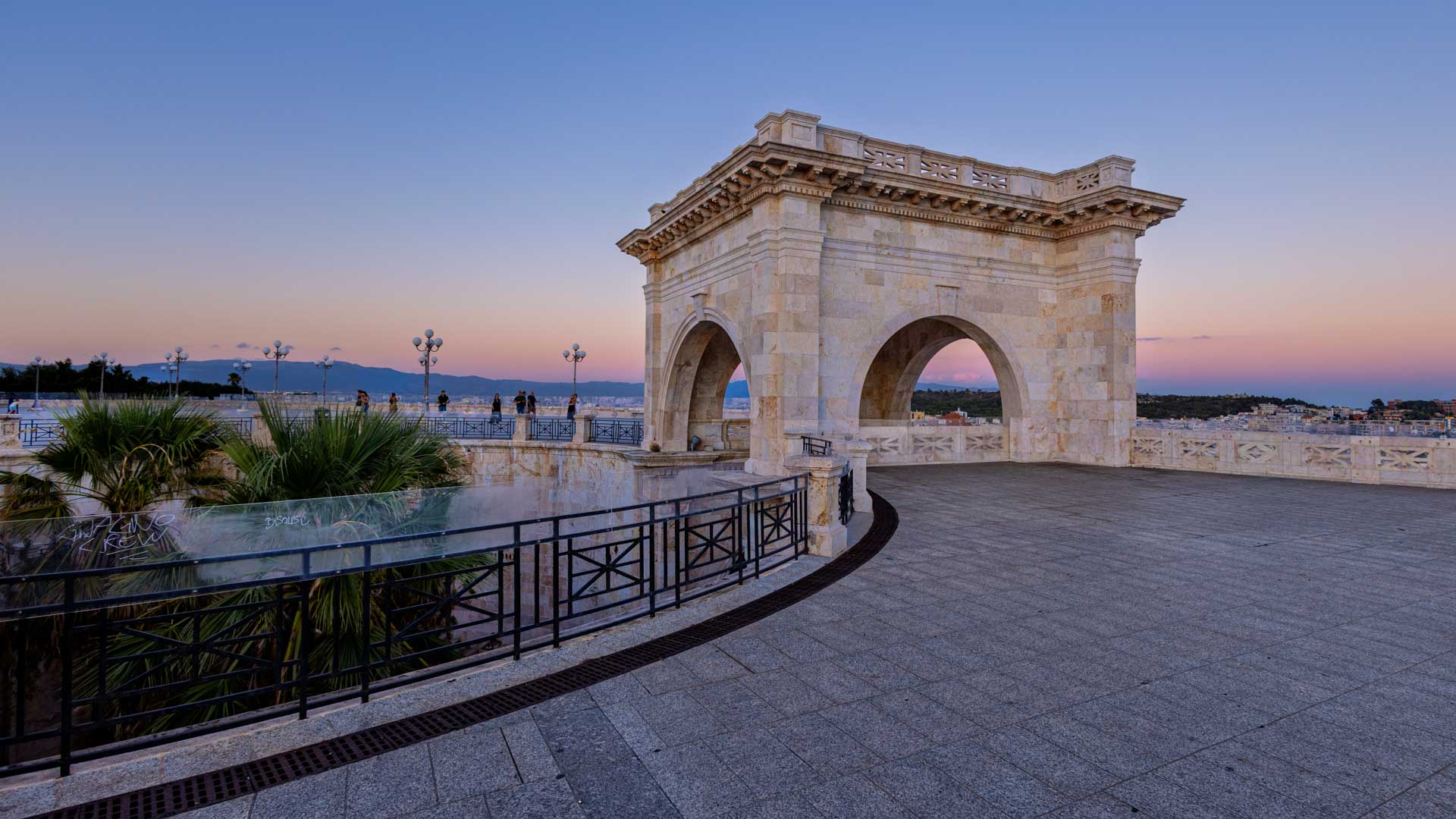
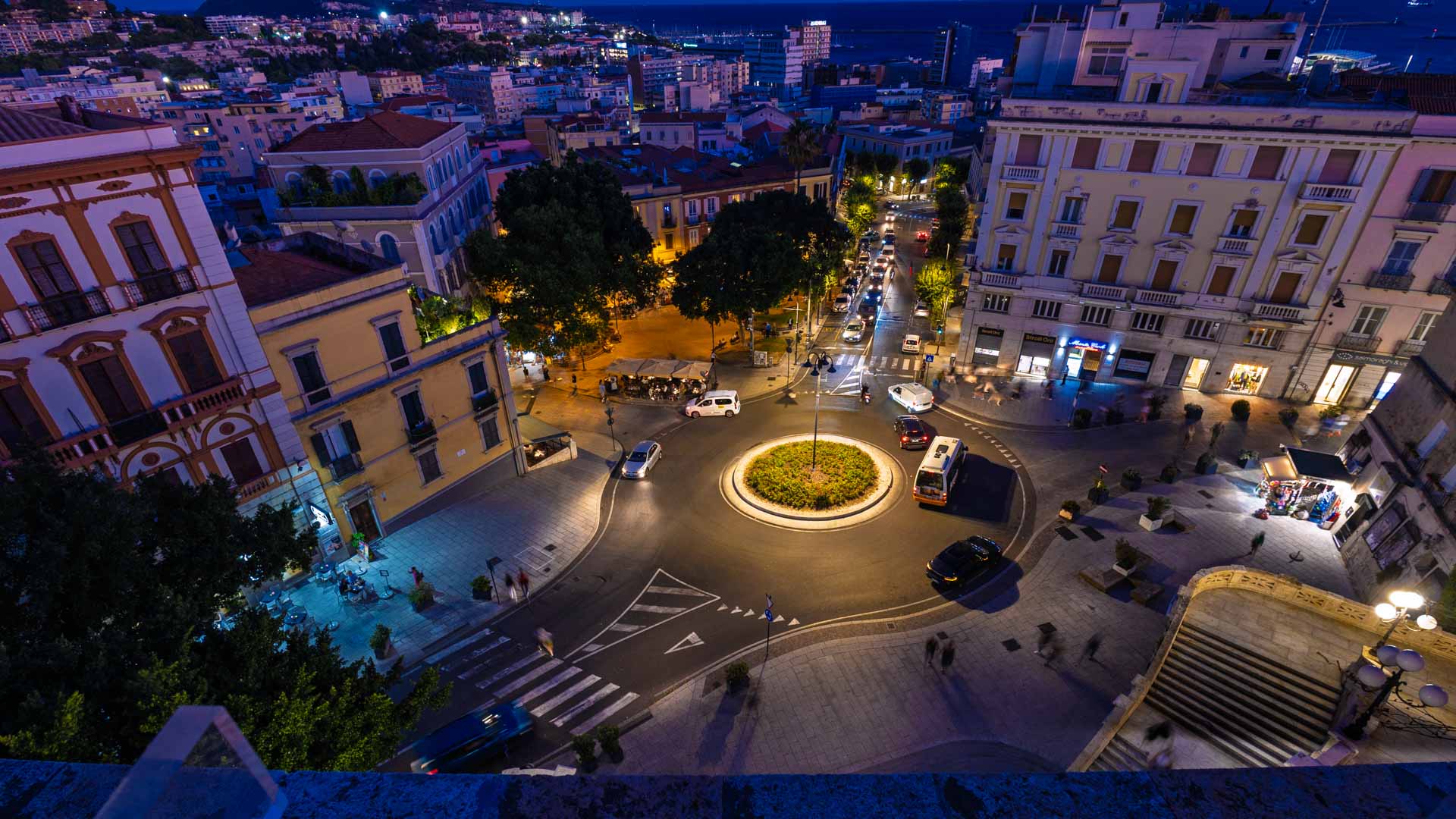
After a long day we arrived in Cagliari, Sardinia’s capital city. Cagliari’s history stretches back to its Phoenician origins and encompasses centuries of successive rule by the Carthaginians, Romans, Vandals, and Byzantines. During the Middle Ages, it became the capital of one of Sardinia’s four Giudicati. Centuries of further conquest followed, with Pisans, Aragonese, Spanish, and eventually the Piedmontese leaving their mark on the city before Sardinia became part of unified Italy. Today, these successive layers of history are woven into Cagliari’s architecture, monuments, and archaeological sites.
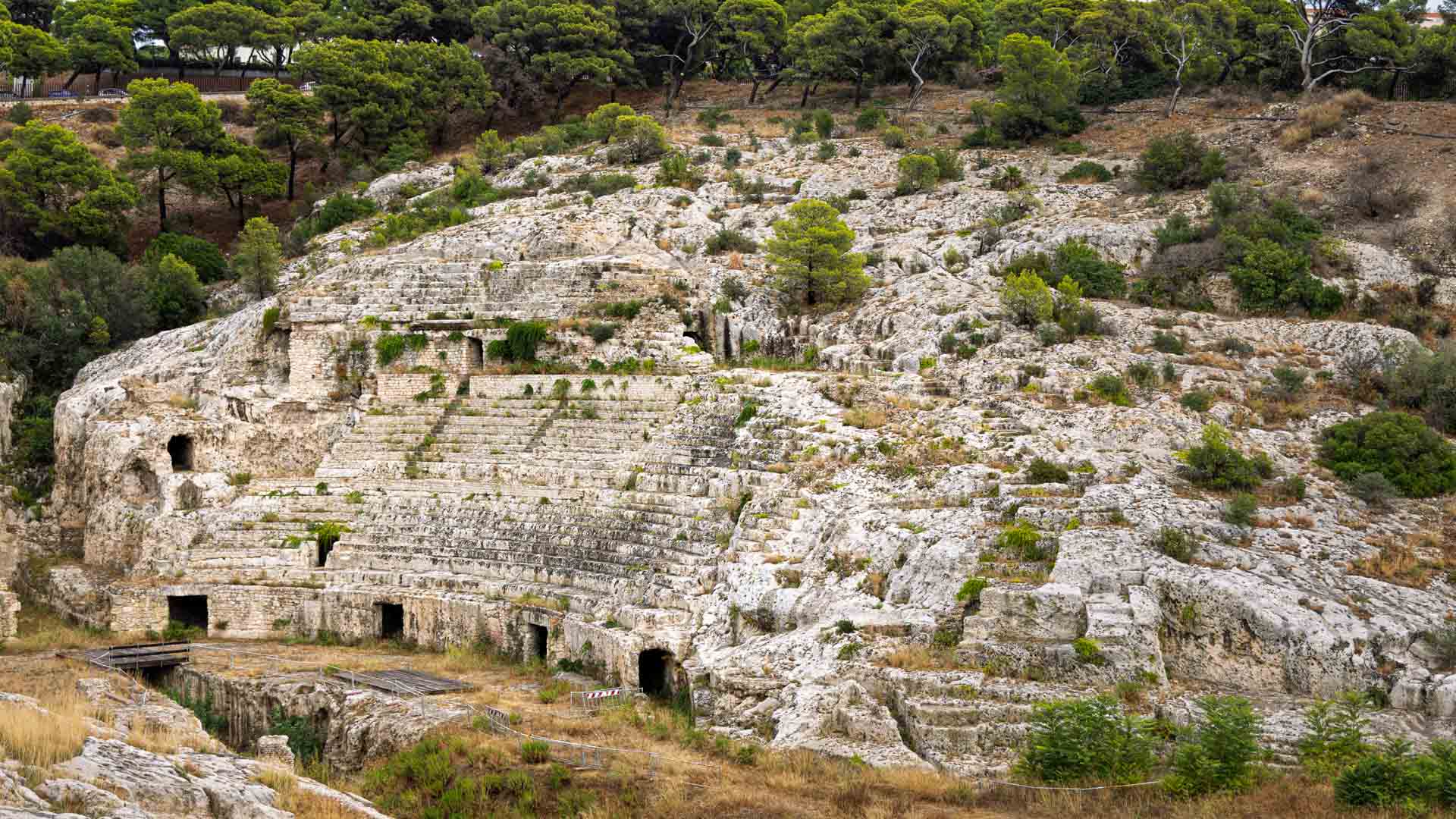
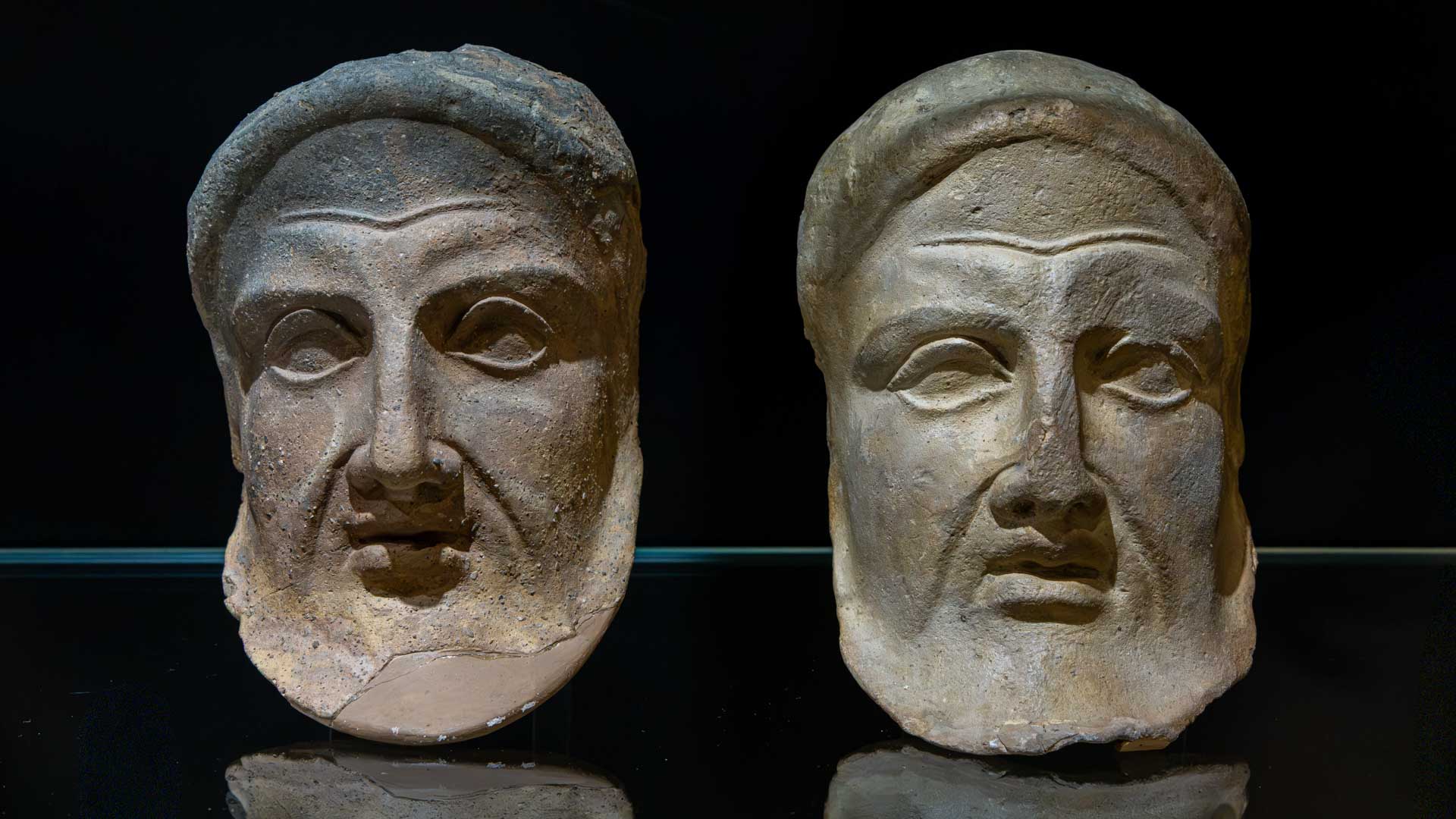
Among the city’s most remarkable remains is Tuvixeddu, home to the largest known Punic necropolis in the Mediterranean. The Roman period is represented by the ancient Amphitheatre, the Viper’s Cave, the remains of Roman houses such as the Villa di Tigellio, and the archaeological site beneath the Church of Sant’Eulalia. Cagliari’s Archaeological Museum offers a fascinating journey through the island’s history.
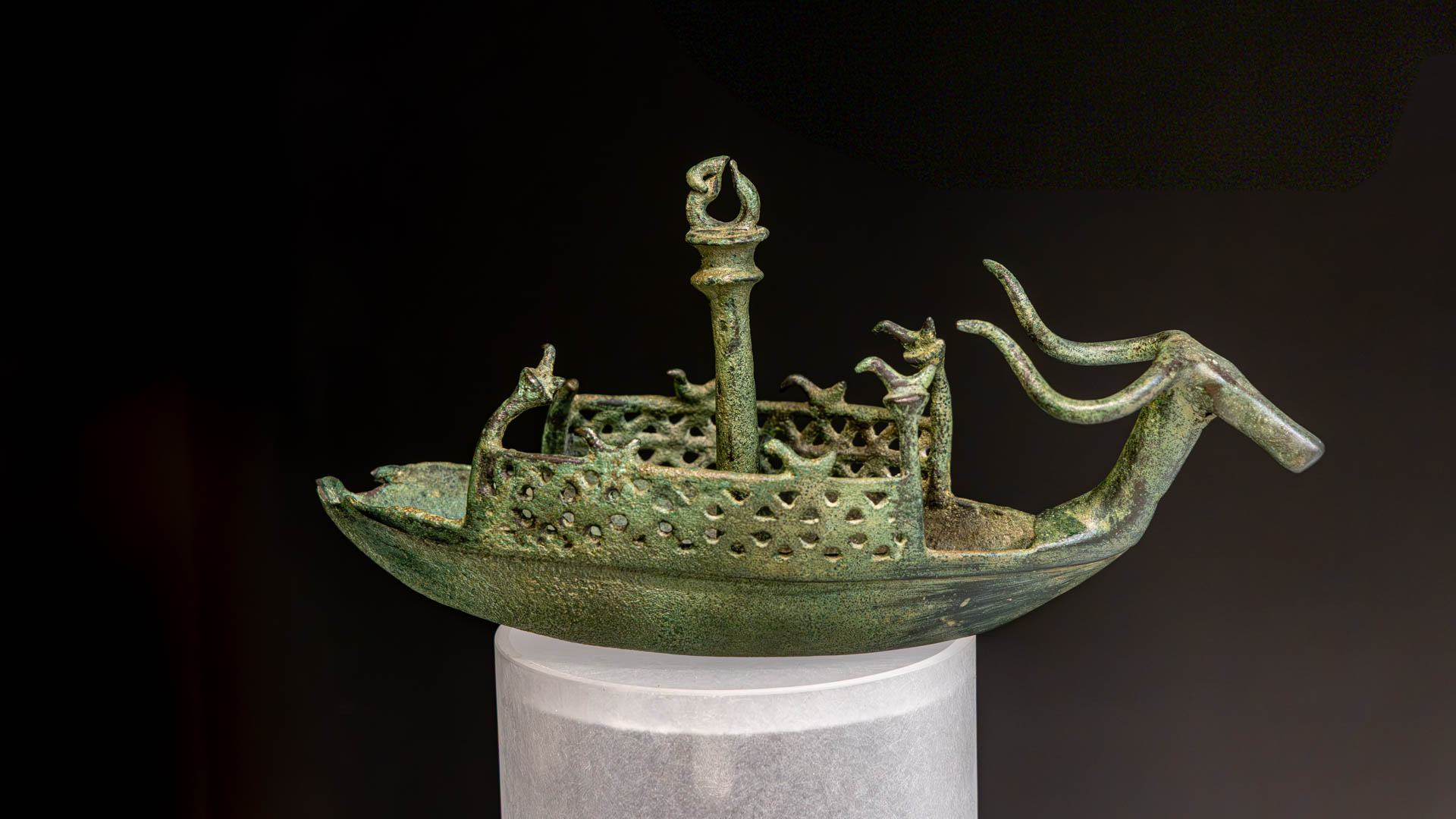
Among the most striking pieces are the bronzetti—small bronze statuettes created by the Nuragic civilization.
ANCIENT CITIES: NORA, AND THARROS
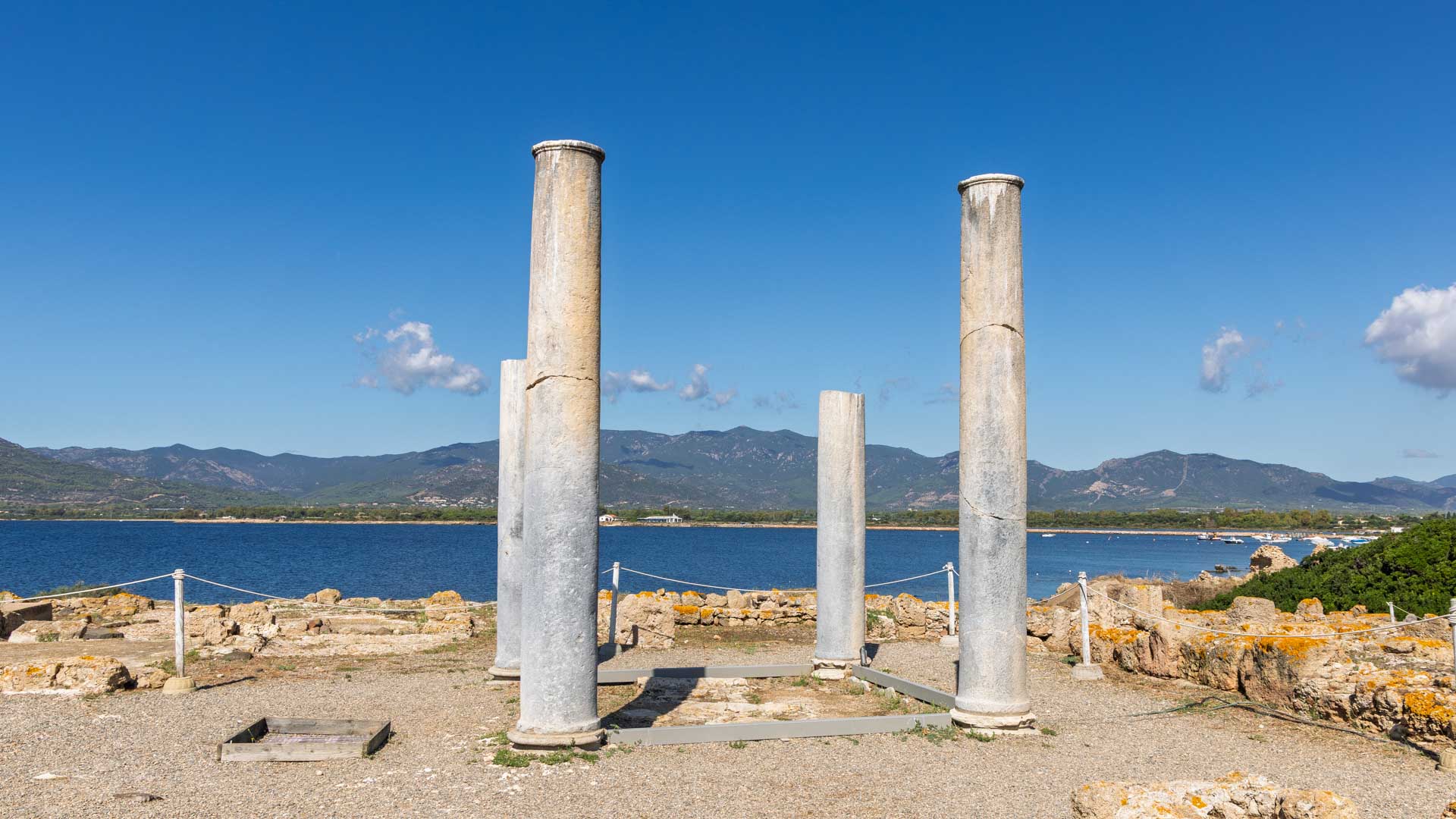
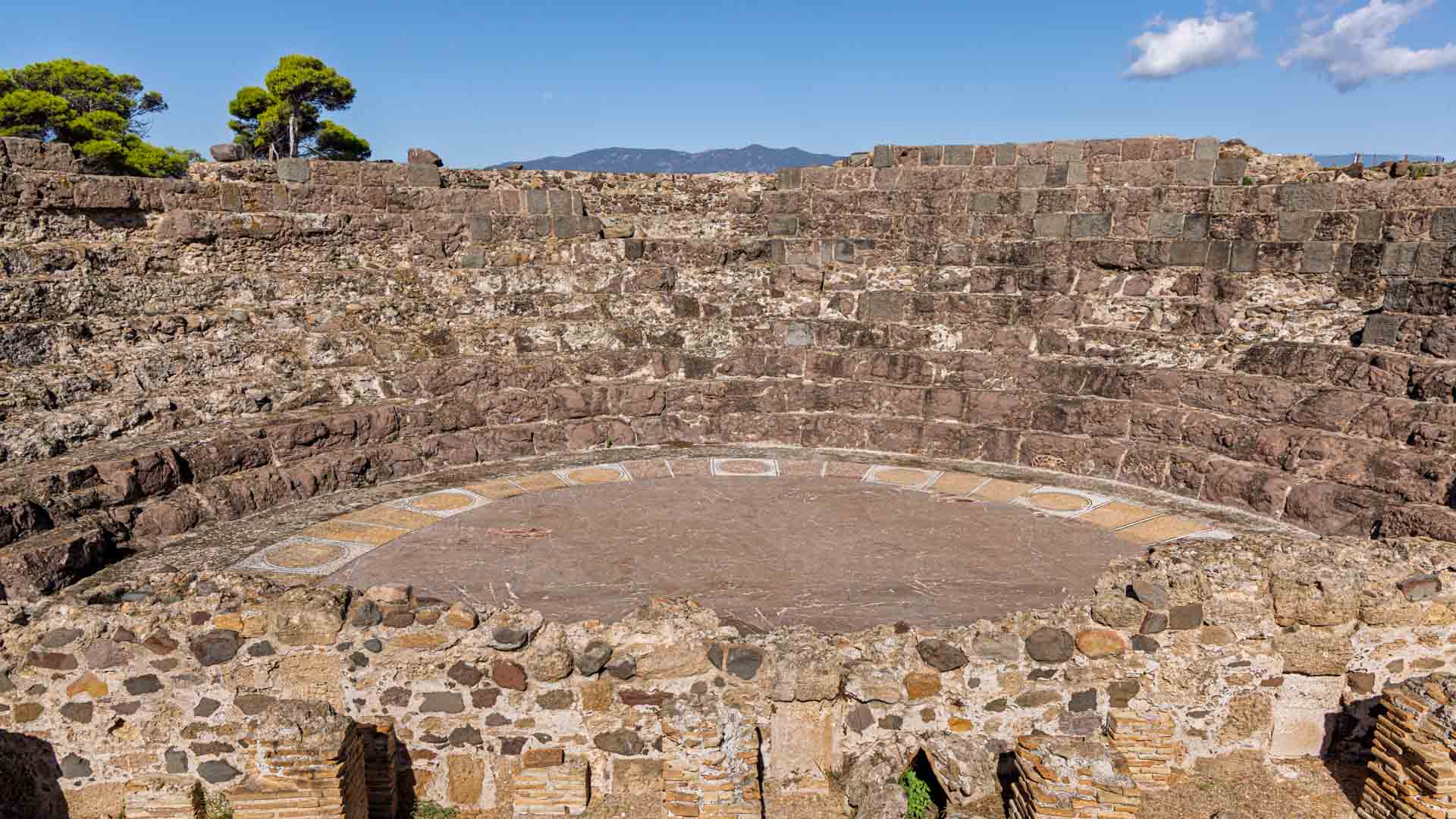
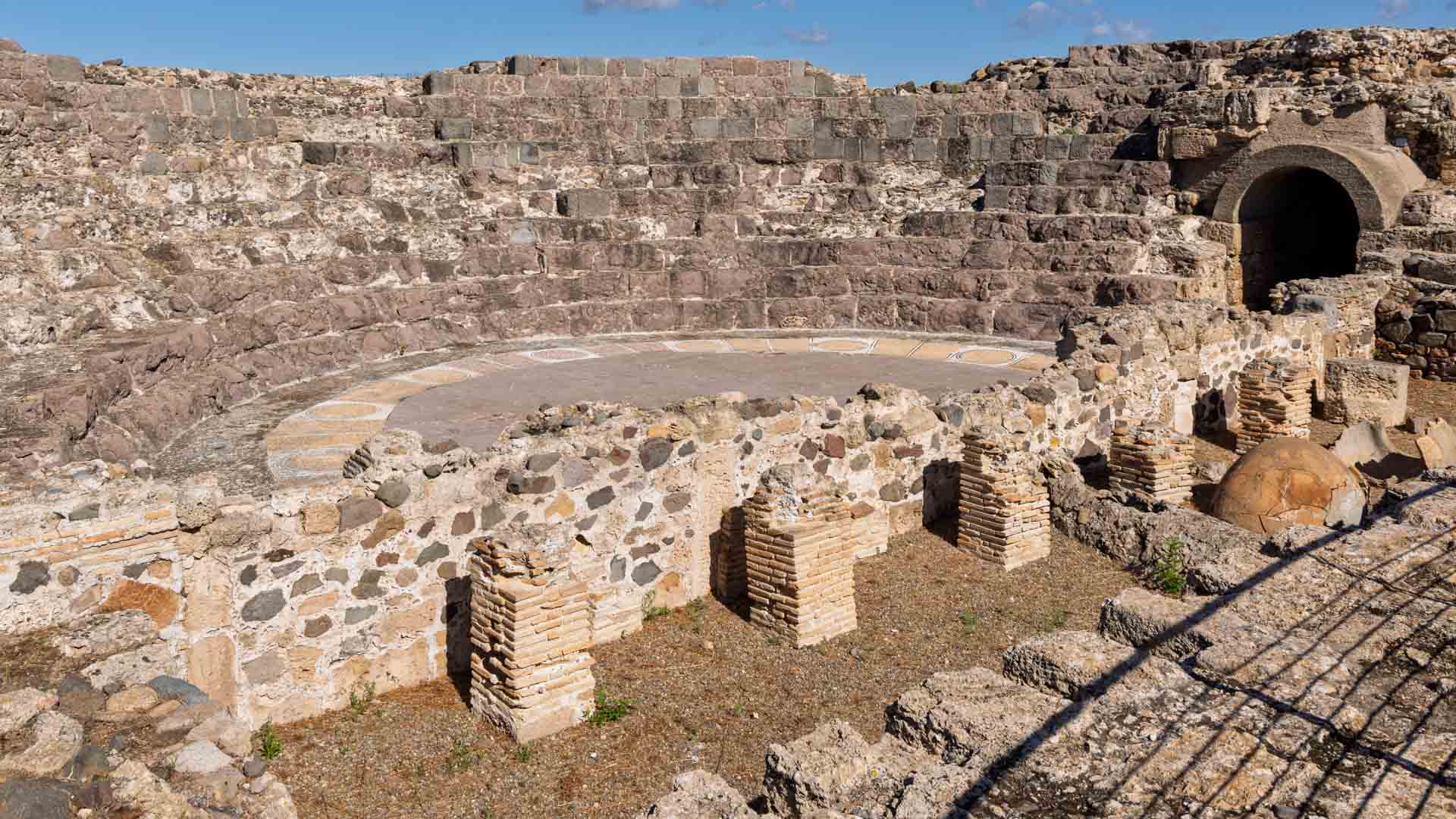
Beyond its Bronze Age nuraghi, Sardinia is rich in archaeological sites from later periods as well. Among the most spectacular are the seaside ruins of Nora and Tharros, where ancient history unfolds against the backdrop of the brilliant blue waters of the Mediterranean. Nora is located in the southern Sardinia, about a 45 minute drive from Cagliari.
Started as a trading post, used by Phoenicians, Carthaginians, and Romans, it has a well-preserved Roman theater, old bathhouses, colorful floor mosaics, and some beautiful beaches nearby.
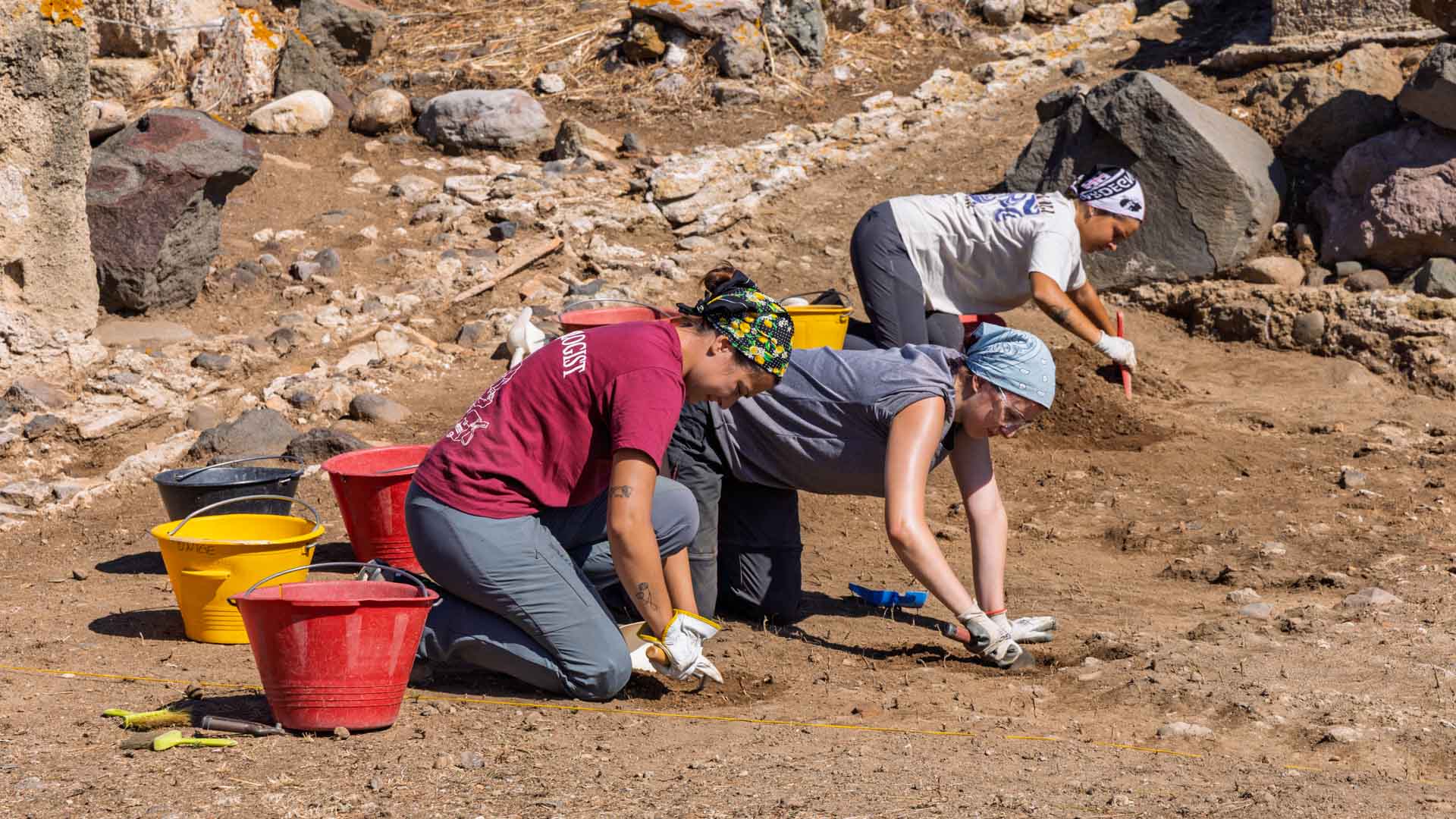
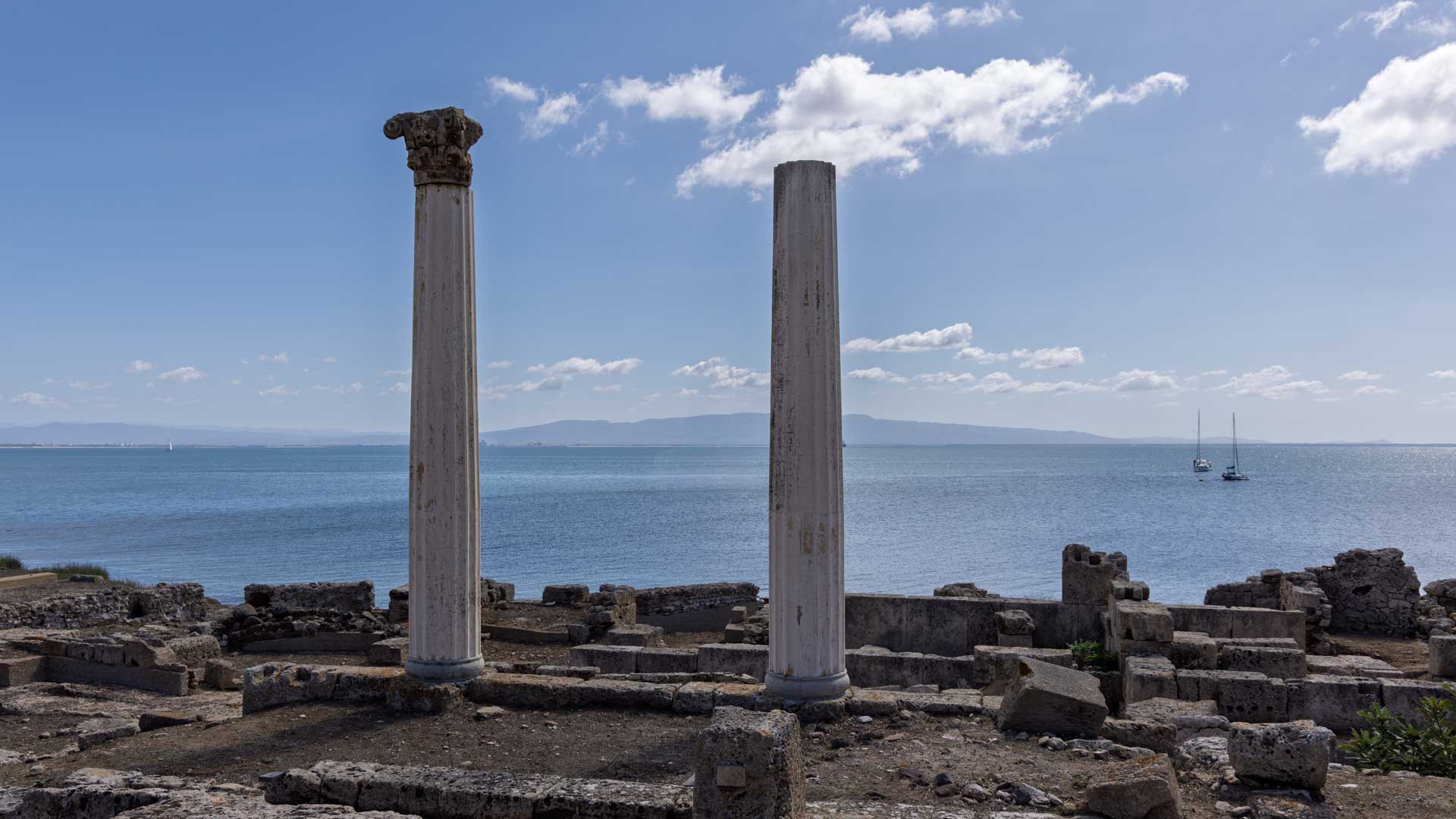
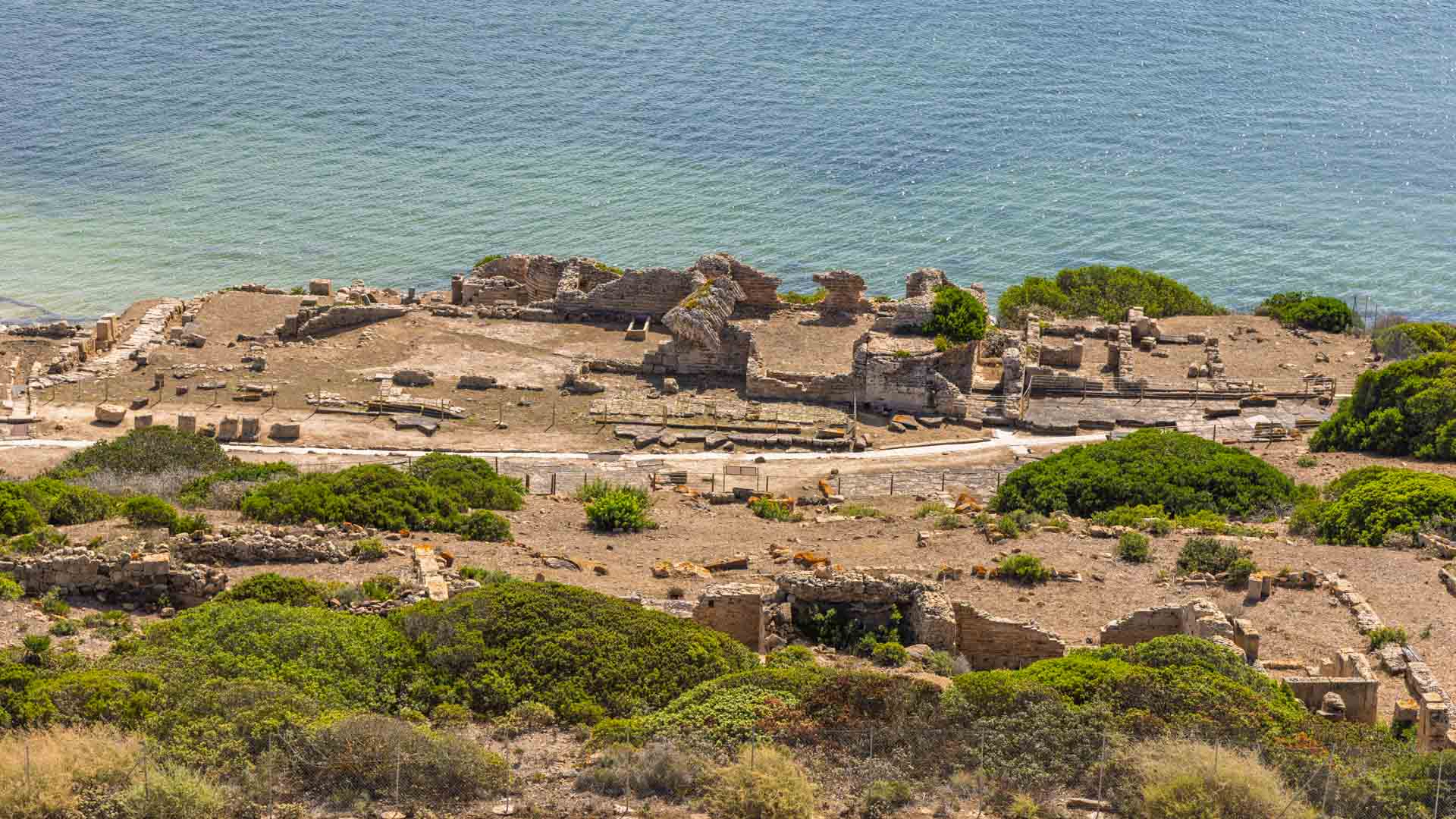
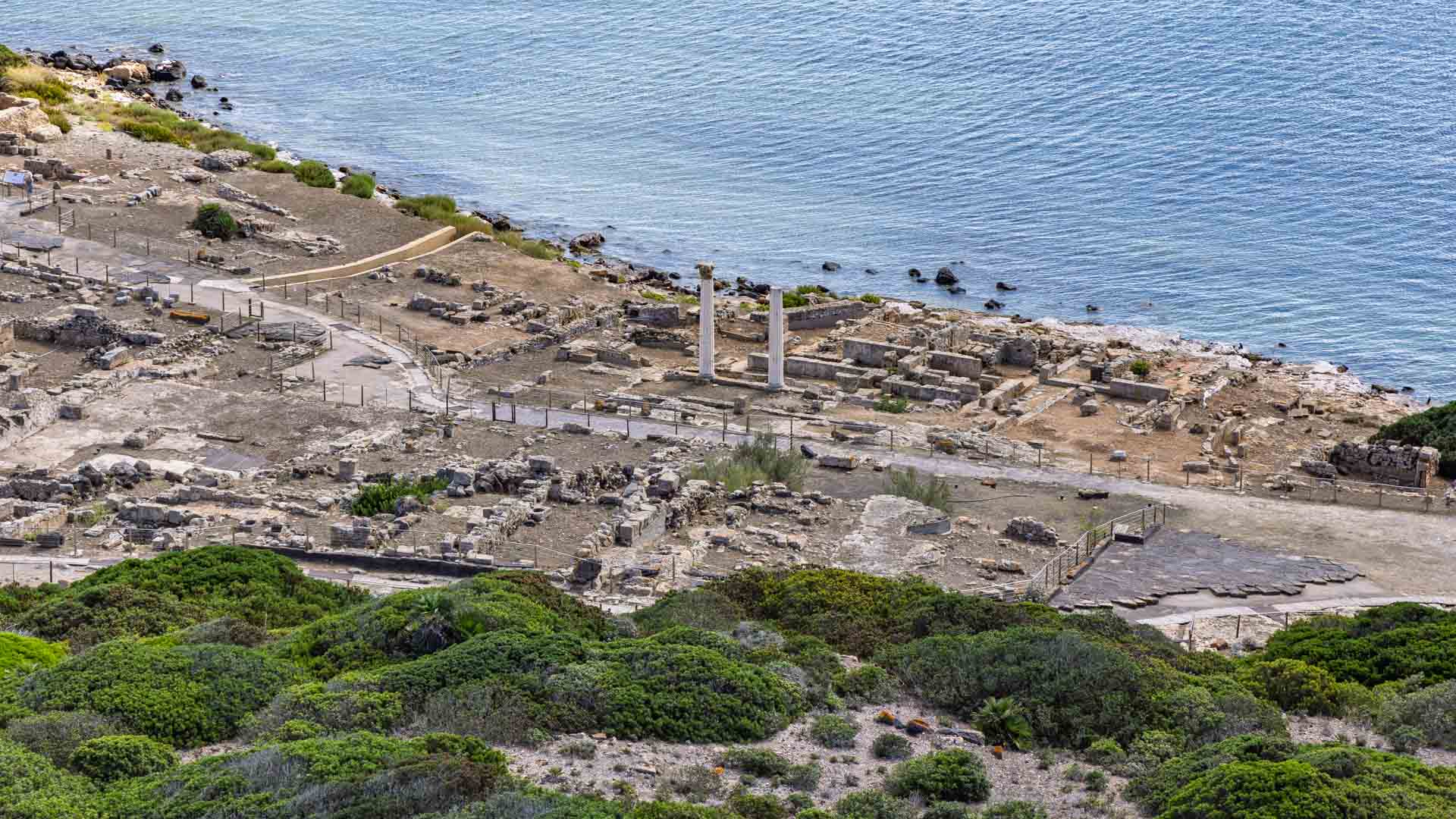
We also visited the ancient city of Tharros on our way back from Cagliari to Alghero. Located on the western coast of Sardinia, on the Sinis Peninsula near Oristano, Tharros was founded by the Phoenicians in the 8th century BCE. Its dramatic setting on an exposed, windswept peninsula offers sweeping views across the Gulf of Oristano.
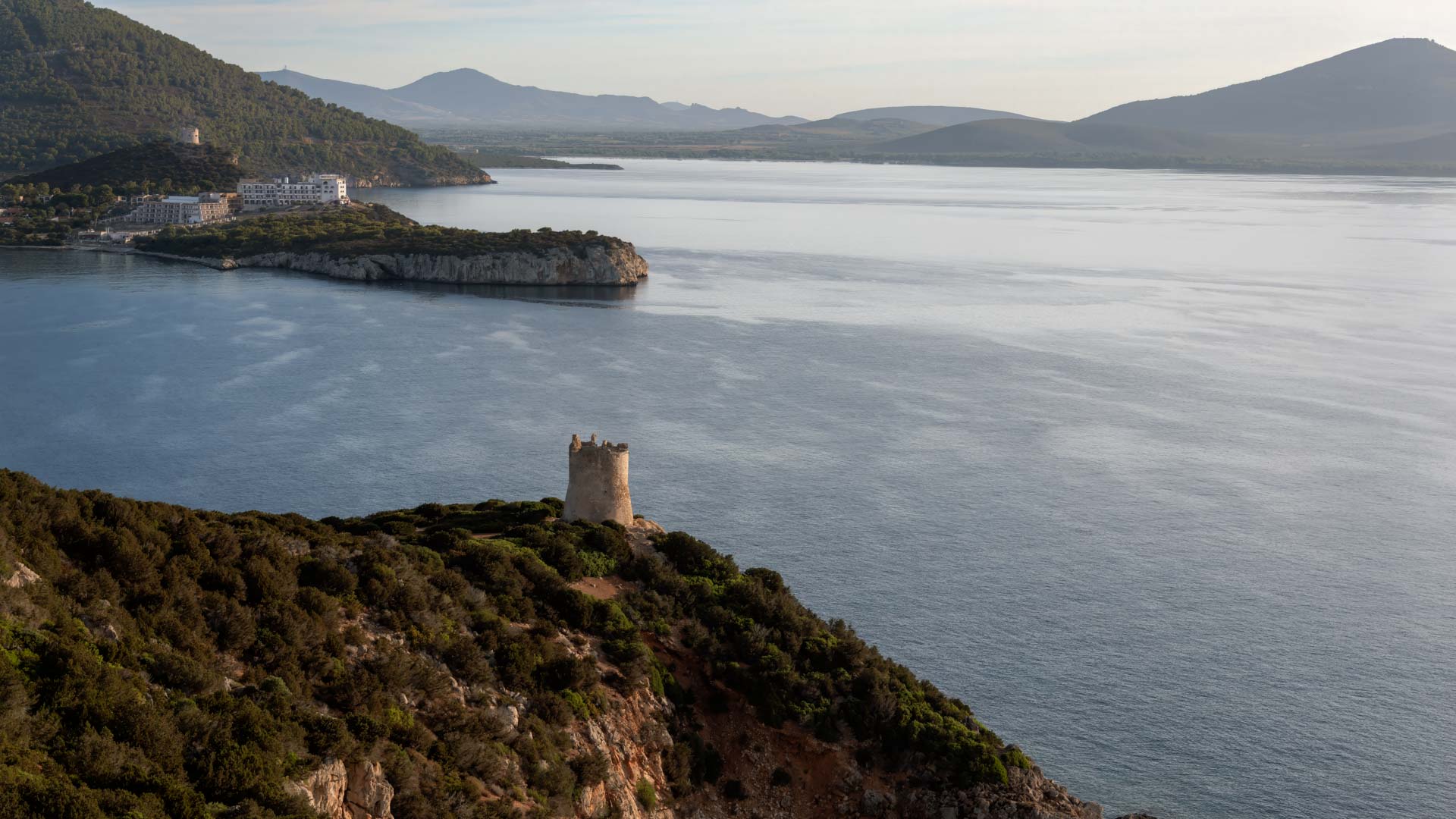
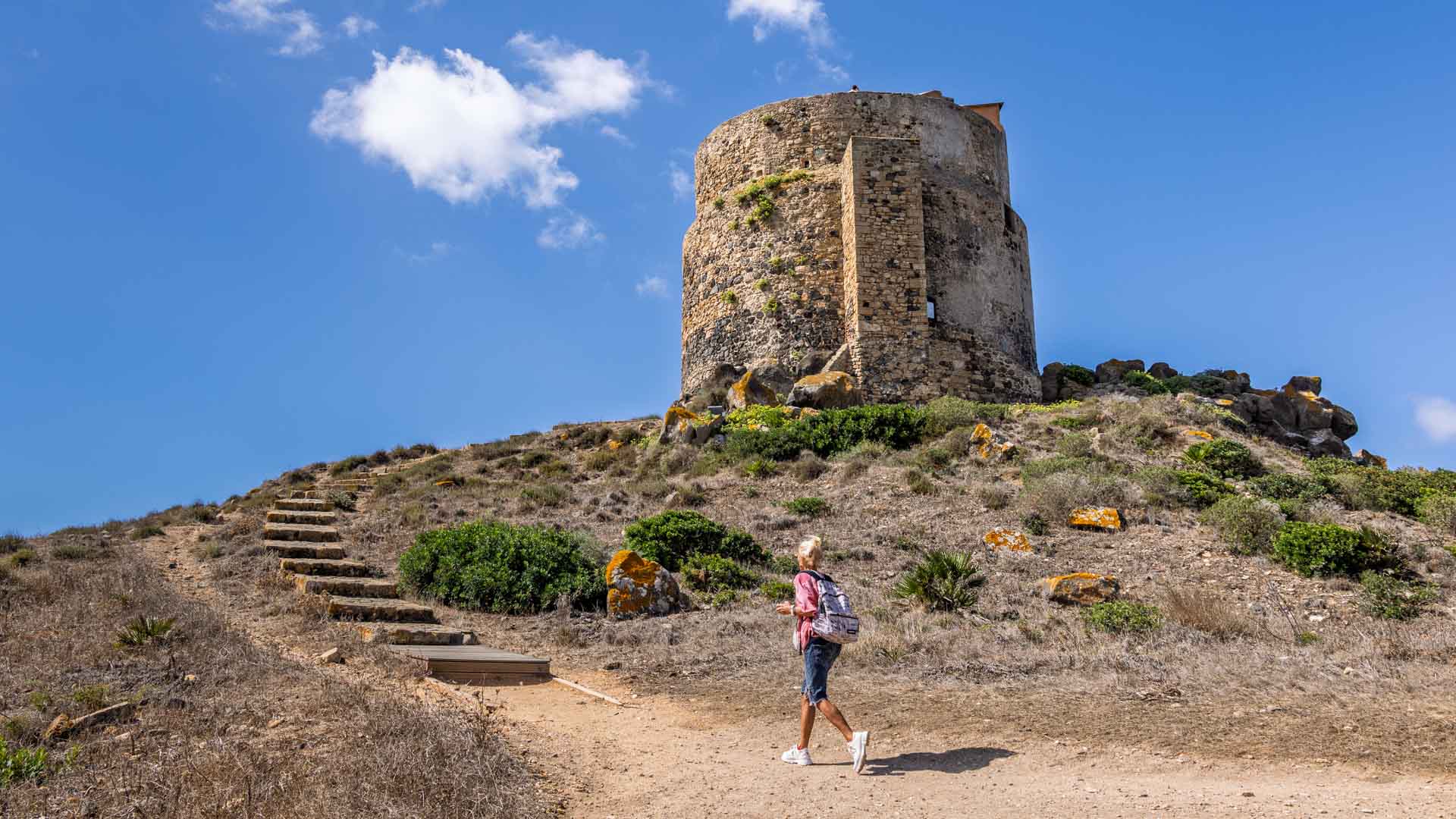
Over the centuries, Phoenician, Punic, and Roman civilizations successively shaped the city, leaving behind layers of archaeological remains. Perched on a hill overlooking the ruins and the gulf is the Torre Spagnola, a Spanish watchtower built under the Spanish Crown. Often referred to as Aragonese tower, it provides a striking backdrop to the ancient city and the surrounding Mediterranean landscape.
COLORFUL BOSA
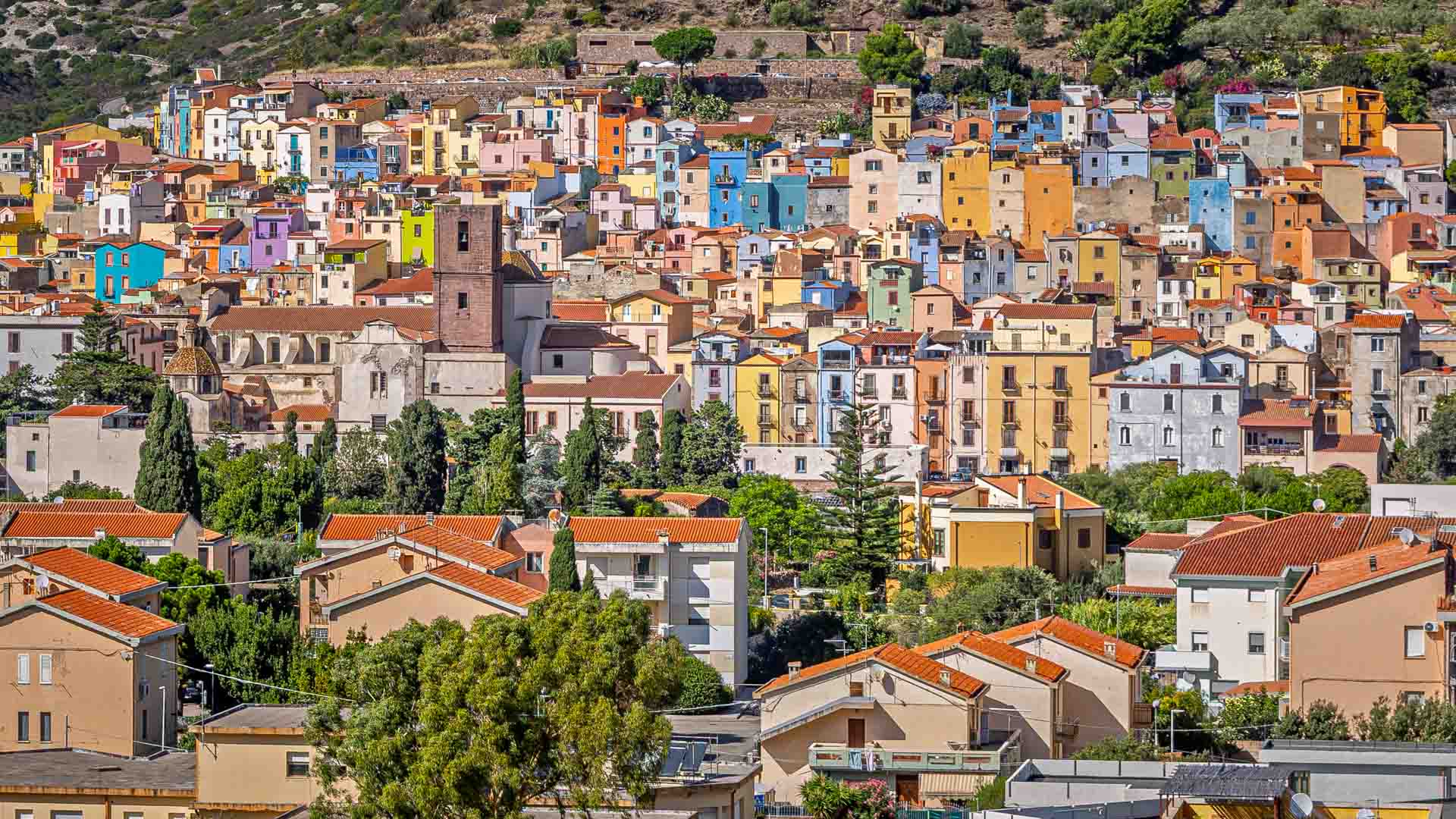
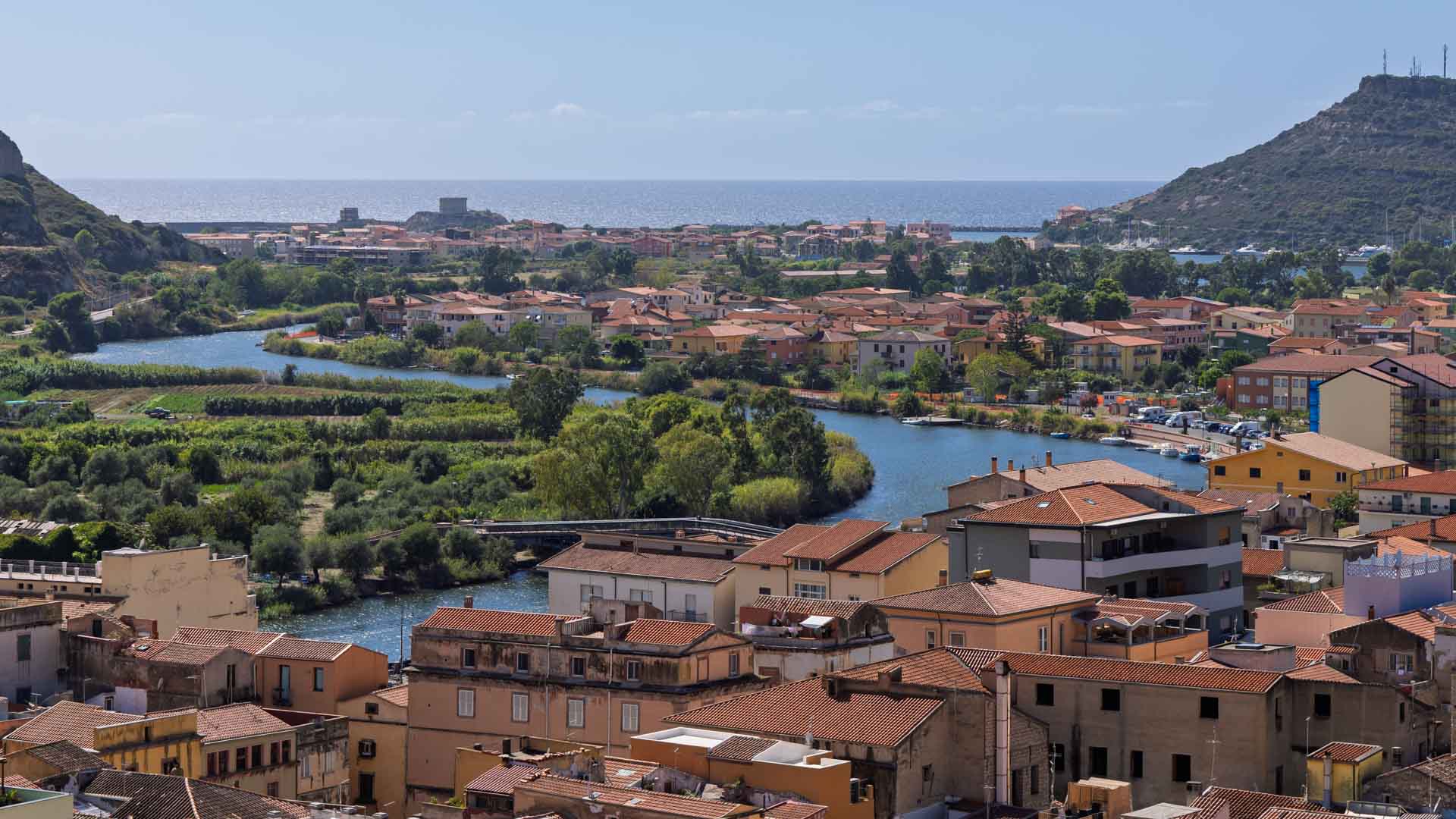
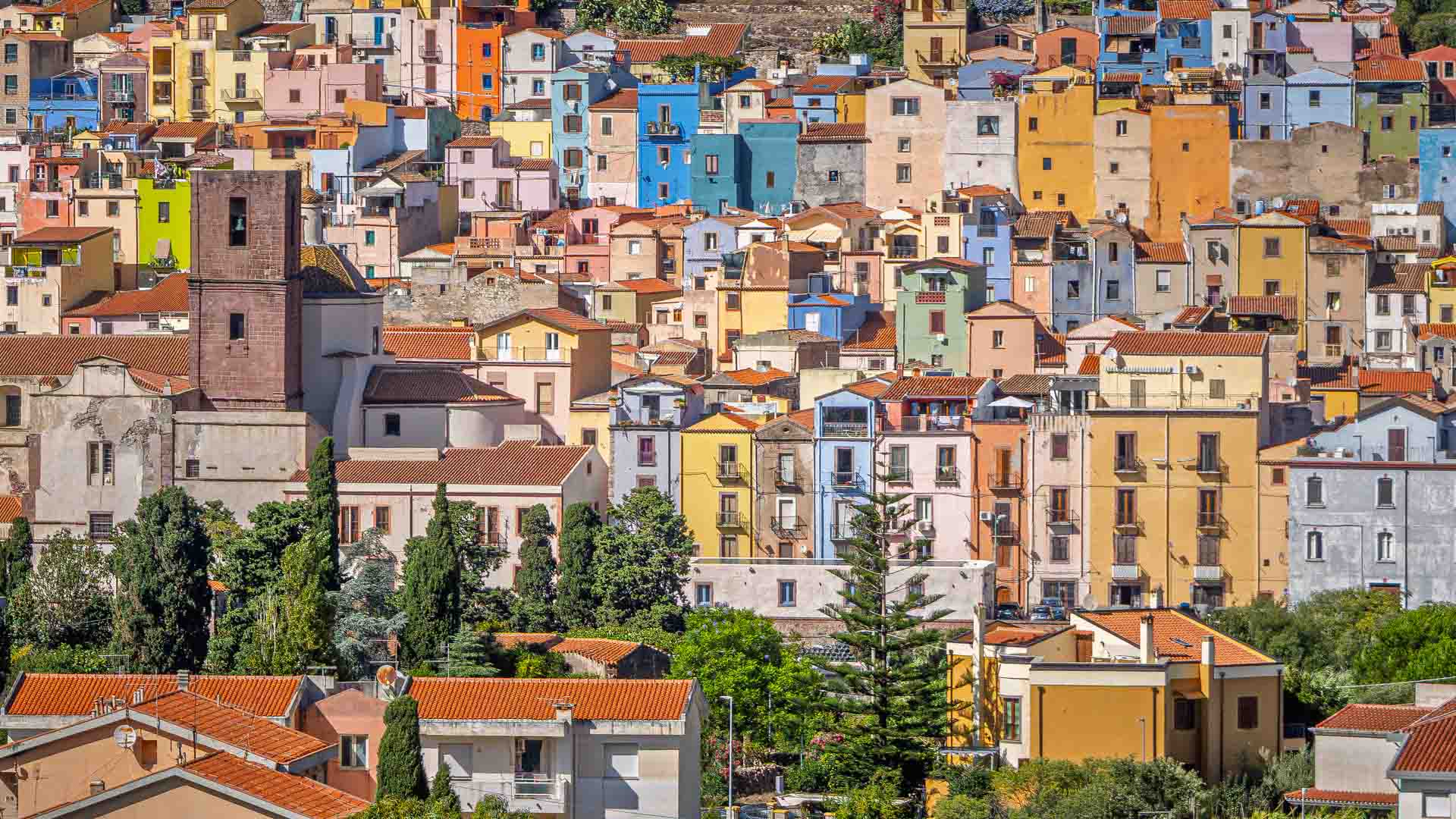
And finally, Bosa, one of the most beautiful small towns in Sardinia. Set along the banks of the Temo River on the island’s western coast, not far from Alghero, Bosa is instantly recognizable for its colorful pastel houses cascading down the hillside.
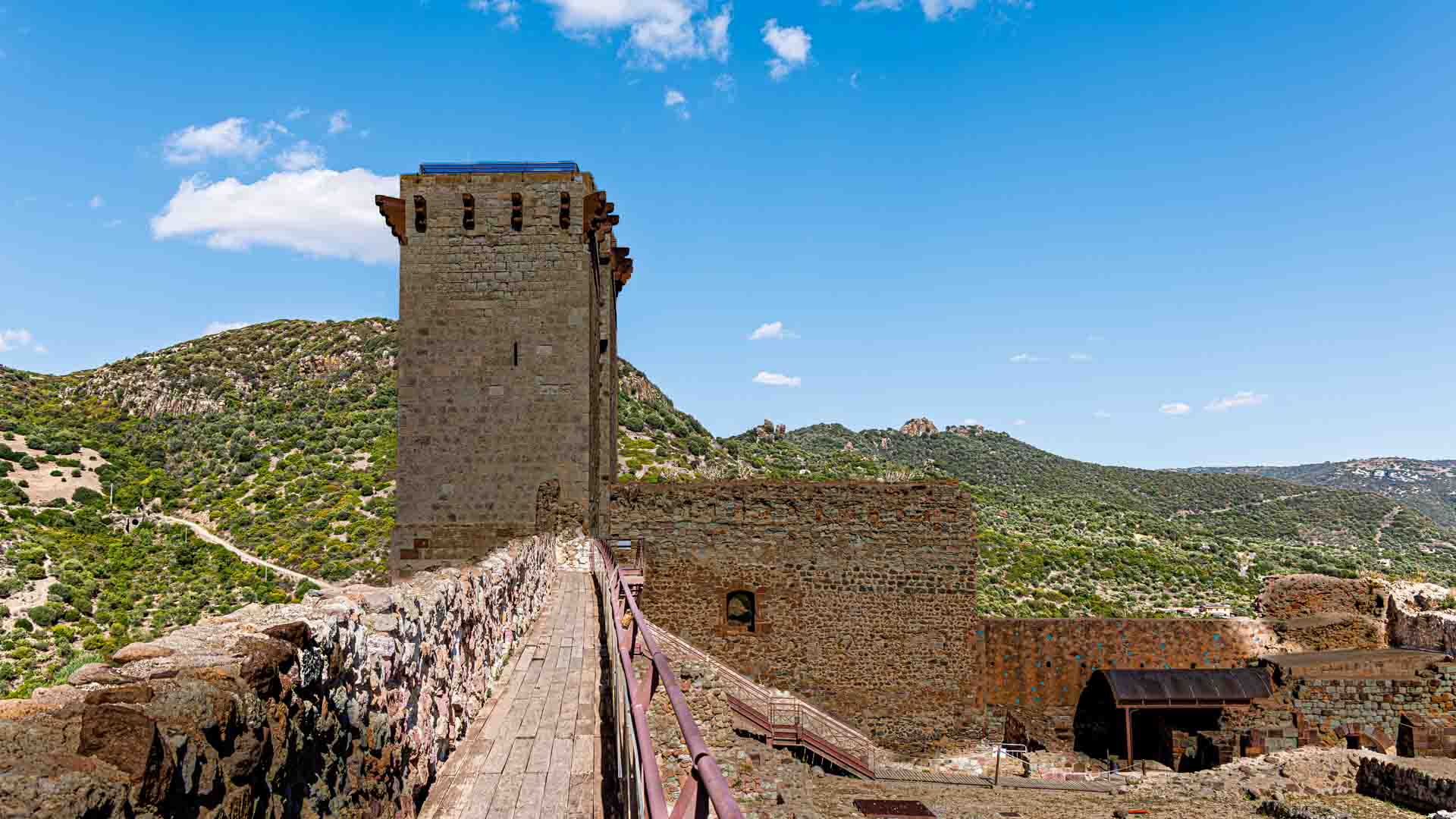
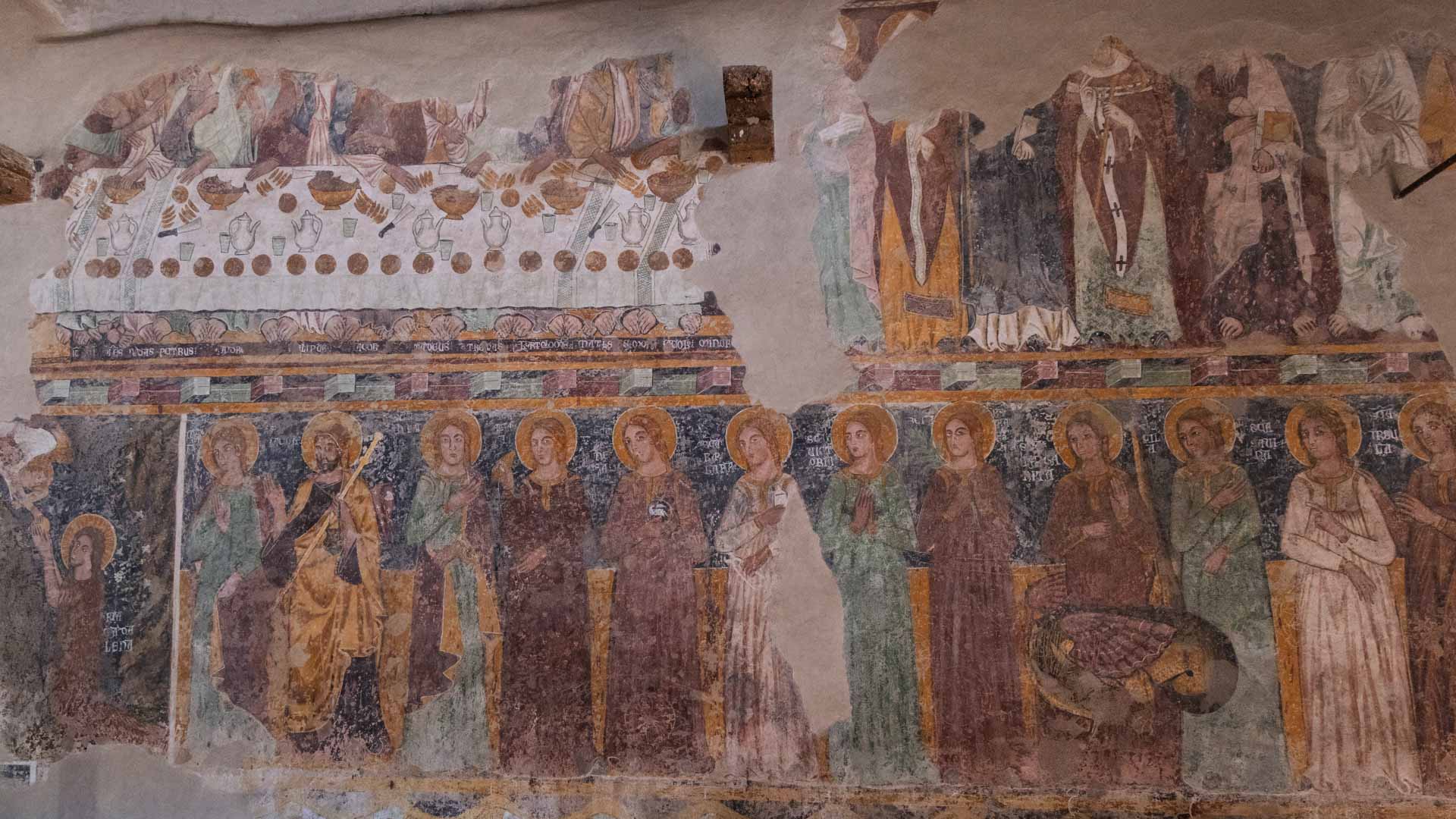
Its medieval historic center is a maze of narrow, steep, cobbled streets leading up to Malaspina Castle, a 12th-century fortress crowning the hill. Inside the castle are the remains of remarkable 14th-century frescoes, adding another layer of history to this picturesque town.